
Knee Replacement Recovery in Hyderabad: Easy Exercises & Diet Tips

Knee Replacement Recovery in Hyderabad: Easy Exercises & Diet Tips Knee replacement surgery has become a life-changing solution for people suffering from chronic knee pain, arthritis, or mobility issues. In a fast-growing medical hub like Hyderabad, patients have access to advanced orthopedic care, experienced surgeons, and modern rehabilitation facilities. However, the success of knee replacement surgery does not end in the operation theater—it largely depends on post-surgery recovery, which includes proper exercises and a balanced diet. This blog will guide you through knee replacement recovery in Hyderabad, focusing on easy exercises and diet tips that help speed up healing, reduce pain, and improve mobility. Understanding Knee Replacement Recovery Knee replacement recovery is a gradual process. Most patients begin walking with support within a day or two after surgery, but full recovery can take 3 to 6 months, and sometimes up to a year. The recovery phase includes: Pain and swelling management Regaining knee movement Strengthening muscles Improving balance and flexibility Returning to daily activities safely Hyderabad offers excellent physiotherapy centers and home-care services, making recovery more comfortable for patients of all ages. Importance of Physiotherapy After Knee Replacement Physiotherapy plays a crucial role in knee replacement recovery. Skipping exercises or avoiding movement can lead to stiffness, weakness, and delayed healing. A structured exercise routine helps: Restore knee flexibility Strengthen thigh and calf muscles Improve blood circulation Prevent blood clots Reduce dependency on walking aids Most hospitals in Hyderabad recommend starting physiotherapy within 24–48 hours after surgery. Easy Exercises for Knee Replacement Recovery These exercises are generally safe and commonly recommended, but always follow your doctor or physiotherapist’s advice. Ankle Pumps This is one of the simplest exercises and can be done while lying in bed. How to do it: Move your foot up and down slowly Repeat 10–15 times every hour Benefits: Improves blood circulation Prevents blood clots Quadriceps Sets This exercise strengthens the thigh muscles. How to do it: Lie flat with your legs straight Tighten the muscles on the front of your thigh Hold for 5 seconds and relax Repeat 10 times Benefits: Builds knee stability Improves walking ability Heel Slides Heel slides help in regaining knee bending. How to do it: Lie on your back Slowly slide your heel toward your body Bend the knee as much as possible Slide it back to the starting position Repeat 10–15 times Benefits: Increases knee flexibility Reduces stiffness Straight Leg Raises This exercise improves leg strength without putting pressure on the knee. How to do it: Lie flat and bend one knee Keep the operated leg straight Lift it about 12 inches off the bed Hold for 5 seconds and slowly lower Repeat 10 times Benefits: Strengthens thigh muscles Supports knee movement Sitting Knee Bends This can be done while sitting on a chair. How to do it: Sit upright Slowly bend your operated knee backward Hold for a few seconds Return to the starting position Benefits: Improves range of motion Helps in daily activities like sitting and standing Walking with Support Walking is one of the best recovery exercises. Tips: Use a walker or cane as advised Start with short distances Increase duration gradually Benefits: Improves balance Builds confidence Promotes faster recovery Common Mistakes to Avoid During Recovery Many patients unknowingly slow down their recovery by making these mistakes: Skipping physiotherapy sessions Sitting for long hours without movement Ignoring pain or swelling Overexerting too soon Not following dietary advice In Hyderabad’s busy lifestyle, it’s important to prioritize recovery and give your body the time it needs to heal. Diet Tips for Knee Replacement Recovery Nutrition plays a major role in healing after surgery. A healthy diet helps reduce inflammation, strengthens bones, and repairs tissues. Protein-Rich Foods Protein is essential for muscle repair and wound healing. Include: Dal and lentils Eggs Milk, curd, and paneer Fish and lean chicken Soy products Calcium and Vitamin D These nutrients strengthen bones and support joint health. Sources: Milk and dairy products Ragi Sesame seeds Green leafy vegetables Morning sunlight (for Vitamin D) Fruits and Vegetables Fruits and vegetables are rich in antioxidants that reduce inflammation. Best choices: Oranges, sweet lime, and guava Papaya and pineapple Spinach, carrots, and beans Tomatoes and beetroot Anti-Inflammatory Foods These foods help reduce pain and swelling. Include: Turmeric (haldi) Ginger Garlic Nuts like almonds and walnuts Hydration Drinking enough water helps prevent constipation caused by pain medications and improves overall recovery. Tip: Aim for 8–10 glasses of water daily unless advised otherwise. Foods to Avoid Certain foods can increase inflammation or delay healing. Limit or avoid: Fried and junk foods Excess sugar Processed foods Carbonated drinks Excess salt Managing Pain and Swelling at Home Along with exercises and diet, simple home-care tips can improve comfort: Apply ice packs to reduce swelling Elevate the leg while resting Take medications exactly as prescribed Use compression stockings if advised Maintain proper sleep posture Recovery Support in Hyderabad Hyderabad has many advantages for knee replacement recovery: Skilled orthopedic surgeons Experienced physiotherapists Home physiotherapy services Advanced rehabilitation centers Affordable medical care Many patients opt for home-based physiotherapy, which is convenient and effective, especially for elderly individuals. Emotional Well-Being During Recovery Recovery is not just physical—it’s emotional too. Some patients feel anxious or frustrated due to temporary dependence on others. Staying positive, setting small recovery goals, and having family support can make a big difference. Conclusion Knee replacement recovery is a journey that requires patience, consistency, and the right care. With Hyderabad’s excellent healthcare facilities, proper physiotherapy, and a nutritious diet, patients can regain mobility and return to an active, pain-free life. Simple exercises done daily help restore strength and flexibility, while a balanced diet supports healing from within. Avoid rushing the process, follow your doctor’s advice, and focus on gradual improvement. With dedication and the right lifestyle choices, knee replacement surgery can truly transform your quality of life. Speed up your knee replacement recovery with simple exercises and diet tips—call Dr. Arun Reddy Mallu at Continental Hospitals,Call +91 9959135963.
Importance of Early Diagnosis for Bone and Joint Conditions
Importance of Early Diagnosis for Bone and Joint Conditions Bone and joint conditions encompass a wide range of disorders affecting the musculoskeletal system — including bones, joints, cartilage, muscles, tendons, ligaments, and connective tissues. These conditions range from age-related degenerative changes like osteoarthritis to autoimmune diseases such as rheumatoid arthritis, metabolic bone diseases like osteoporosis, traumatic injuries, congenital deformities, and infections. Regardless of the cause, the impact of bone and joint problems is immense. They are leading contributors to chronic pain, physical disability, reduced quality of life, and loss of productivity worldwide. One common thread in effectively managing these conditions is early diagnosis. Identifying problems at an early stage can dramatically alter the course of a disease, reduce complications, and improve long term outcomes. Understanding Bone and Joint Conditions To appreciate the value of early diagnosis, it is essential to understand how bone and joint conditions develop and progress. Degenerative Disorders Degenerative disorders like osteoarthritis are among the most common musculoskeletal conditions. They involve the gradual breakdown of cartilage — the smooth tissue that cushions joints — often leading to pain, stiffness, swelling, and limited movement. The process usually begins subtly and worsens over time. Inflammatory Conditions Autoimmune diseases such as rheumatoid arthritis cause the body’s immune system to mistakenly attack its own joint tissues. Inflammatory responses can cause significant joint damage if untreated, affecting mobility and overall function. Traumatic Injuries Accidents and sports injuries can result in fractures, ligament tears, and joint dislocations. Immediate and accurate diagnosis ensures appropriate treatment and prevents chronic instability or long term disability. Metabolic Bone Diseases Conditions such as osteoporosis silently weaken bones over time. Without early detection, bones become fragile and susceptible to fractures even with minimal trauma. Infections and Tumors Infections like osteomyelitis or bone tumors may not show clear symptoms early on but can cause devastating complications if not diagnosed promptly. Why Early Diagnosis Matters Prevents Irreversible Joint Damage Many bone and joint conditions, particularly degenerative and inflammatory diseases, can cause permanent structural changes if they progress unchecked. Early diagnosis allows interventions — such as medications, lifestyle changes, or surgeries — to slow or stop disease progression before irreversible damage occurs. For example, early stages of rheumatoid arthritis may respond well to disease modifying antirheumatic drugs (DMARDs), which can prevent joint erosion and preserve function. Reduces Chronic Pain Pain is one of the first symptoms patients notice. When conditions are diagnosed early, pain can be managed more effectively through therapies that address the underlying causes, not just the symptoms. Poorly managed chronic pain often leads to compensatory habits — such as altered gait or posture — which can further strain muscles and joints. Enhances Treatment Effectiveness Interventions are generally more effective when conditions are addressed early. Many medications and therapies show diminished returns when the disease has progressed to an advanced stage. For instance, early physical therapy after a knee injury can restore strength and stability, whereas delays might require complex surgery and prolonged rehabilitation. Improves Mobility and Function Early identification of joint problems allows for timely therapeutic exercises, braces, orthotics, and other supportive measures that maintain or enhance mobility. Preserving joint function helps individuals stay active, retain independence, and maintain quality of life. Reduces Healthcare Costs Chronic and advanced bone and joint diseases often require more extensive treatments — including surgeries, long rehabilitation, and hospital stays — leading to increased healthcare costs. Early diagnosis can limit the need for invasive procedures and long term care, reducing the financial burden on patients and healthcare systems. Improves Overall Health The musculoskeletal system influences balance, mobility, and metabolic health. Early treatment of joint conditions can promote physical activity, which supports cardiovascular health, mental well being, weight management, and overall life satisfaction. How Early Diagnosis Is Achieved Modern medicine offers several tools and strategies to detect bone and joint conditions early: Clinical Evaluation A thorough medical history and physical exam are the first steps in diagnosis. Symptoms such as joint pain, swelling, stiffness, reduced range of motion, or limping provide invaluable clues. Early reporting of symptoms by patients significantly aids this process. Imaging Techniques Imaging plays a pivotal role in detecting structural abnormalities: X raysreveal bone fractures, joint space narrowing, and significant degenerative changes. MRI (Magnetic Resonance Imaging)visualizes soft tissues — including cartilage, ligaments, tendons, and early inflammatory changes. Ultrasoundhelps detect joint effusions, cysts, and synovial inflammation. DEXA scansassess bone mineral density to diagnose conditions like osteoporosis at an asymptomatic stage. Laboratory Tests Blood tests can support the diagnosis of inflammatory or autoimmune conditions. Markers such as rheumatoid factor (RF), anti CCP antibodies, ESR (erythrocyte sedimentation rate), and CRP (C reactive protein) help detect inflammation early. Early Screening Programs For individuals at risk — such as older adults, postmenopausal women, or people with a family history of bone disease — regular screening facilitates early detection of conditions like osteoporosis before fractures occur. Barriers to Early Diagnosis Despite the clear benefits, several challenges exist: Lack of Awareness Many individuals dismiss early symptoms like mild joint pain or stiffness as “normal aging,” delaying medical consultation and missing the opportunity for early diagnosis. Limited Access to Healthcare In underserved regions, lack of access to specialists, diagnostic tools, and routine screenings hampers early detection. Misdiagnosis Bone and joint conditions often present with overlapping symptoms, making accurate diagnosis challenging. Without experienced clinicians and appropriate tools, misdiagnoses are common. Economic Constraints Diagnostic tests and specialist consultations may not be affordable for many, delaying the diagnosis until the disease becomes advanced. Strategies to Promote Early Diagnosis Improving early diagnosis requires a multipronged approach: Public Education Public awareness campaigns can educate individuals about early symptoms that warrant medical evaluation — such as persistent joint pain, swelling, morning stiffness, or difficulty performing daily activities. Encouraging Routine Screening Especially for high risk populations, routine bone density tests and regular musculoskeletal check ups should be advocated. Training Healthcare Providers Primary care physicians and allied health professionals need training to recognize early signs and refer patients for timely imaging and specialist consultation. Use of Telemedicine Teleconsultations can expand access to specialists in
Post-ACL Surgery: Essential Do’s & Don’ts for a Safe and Strong Recovery
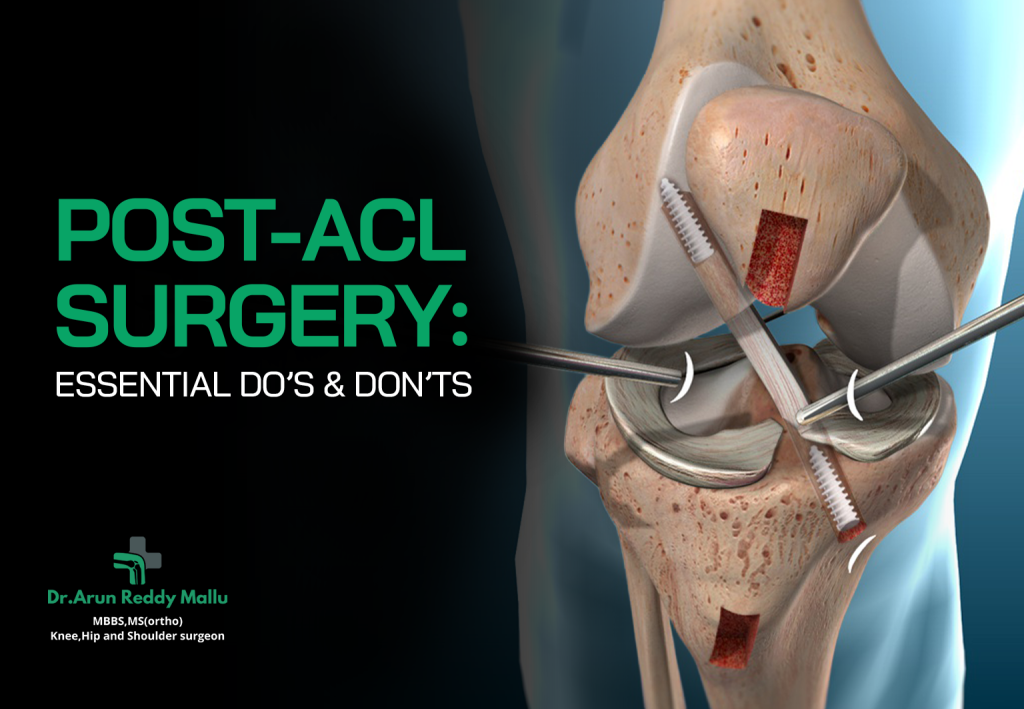
Post-ACL Surgery: Essential Do’s & Don’ts for a Safe and Strong Recovery Anterior Cruciate Ligament (ACL) injuries are common among athletes and active individuals, but they can affect anyone. ACL reconstruction surgery is often recommended to restore knee stability and function. While surgery is a critical step, recovery and rehabilitation determine long-term success. Knowing what to do—and what to avoid—after ACL surgery can make a significant difference in how quickly and safely you return to daily activities or sports. What Is an ACL Injury and ACL Surgery? The Anterior Cruciate Ligament (ACL) is one of the main ligaments stabilizing the knee. It prevents the shinbone from sliding forward and helps control rotational movements. ACL injuries often occur during sudden stops, pivots, jumps, or direct trauma to the knee. What Is ACL Reconstruction Surgery? ACL surgery involves reconstructing the torn ligament using a graft (often taken from the patient’s own hamstring or patellar tendon, or sometimes a donor graft). The goal is to restore knee stability, reduce pain, and allow a return to normal movement or sports. However, surgery alone is not enough. Proper post-operative care and rehabilitation are essential to achieve the best outcome. Why Post-ACL Surgery Care Is So Important After ACL surgery, the knee needs time to heal while gradually regaining: Strength Flexibility Balance Stability Ignoring rehabilitation guidelines or returning to activity too early can lead to: Graft failure Knee stiffness Chronic pain Re-injury That’s why following structured do’s and don’ts is crucial. Essential Do’s After ACL Surgery Follow Your Surgeon’s and Physiotherapist’s Instructions Every ACL injury is different. Your surgeon and physiotherapist design a personalized recovery plan based on your age, activity level, and surgical technique. Following these instructions strictly helps prevent complications. Start Physiotherapy Early (As Advised) Physiotherapy usually begins within days of surgery. Early exercises help: Reduce swelling Restore knee motion Prevent muscle weakness Skipping or delaying physiotherapy can slow recovery significantly. Use Ice and Elevation to Control Swelling Swelling is normal after surgery. Applying ice packs and keeping the leg elevated helps reduce inflammation and pain, especially during the first few weeks. Wear Knee Braces or Supports if Prescribed Knee braces provide additional support and stability during early recovery. Use them exactly as recommended—neither more nor less. Focus on Proper Nutrition A balanced diet rich in: Protein (for tissue repair) Calcium and Vitamin D (for bone health) Fruits and vegetables (for healing and immunity) supports faster and healthier recovery. Be Patient With Your Progress ACL recovery is a gradual process. Improvements come step by step—rushing can set you back. Celebrate small milestones like better knee movement or reduced pain. Essential Don’ts After ACL Surgery Don’t Rush Back to Sports or High-Impact Activities One of the biggest mistakes patients make is returning to sports too early. Even if pain is minimal, the graft needs time to fully integrate and strengthen. Don’t Skip Physiotherapy Sessions Consistency is key. Missing sessions can lead to stiffness, muscle imbalance, and poor knee control. Don’t Ignore Pain or Swelling Mild discomfort is expected, but persistent pain or increasing swelling should never be ignored. Always report unusual symptoms to your doctor. Don’t Overload the Knee Doing more exercises than prescribed or increasing intensity too quickly can damage the healing ligament. Don’t Sit or Lie Down for Long Periods Without Movement Prolonged immobility can lead to stiffness and poor circulation. Gentle movement, as advised, keeps the knee flexible. Don’t Compare Your Recovery With Others Recovery timelines vary. Comparing yourself to others can cause unnecessary stress or unsafe decisions. Practical Tips for a Successful ACL Recovery Set Realistic Recovery Goals Break recovery into phases: Regaining knee motion Building muscle strength Improving balance and coordination Returning to sports or active lifestyle This keeps you motivated and focused. Strengthen Supporting Muscles Strong quadriceps, hamstrings, and hip muscles protect the ACL graft and improve knee stability. Maintain a Positive Mindset Mental strength is as important as physical healing. Stay patient, optimistic, and committed to your rehabilitation plan. Attend All Follow-Up Appointments Regular check-ups allow your surgeon to monitor healing, adjust rehabilitation plans, and catch problems early. Listen to Your Body Fatigue and discomfort are signals. Rest when needed and avoid pushing through pain. Why Choosing the Right Surgeon Matters The success of ACL surgery depends heavily on: Surgical expertise Correct graft selection Precision during reconstruction Post-operative guidance This is why choosing an experienced orthopedic surgeon is essential. Why Choose Dr. Arun Reddy at Continental Hospital? Expertise in Advanced Knee and Sports Injury Care Dr. Arun Reddy is known for his expertise in ACL reconstruction and sports-related knee injuries. His approach combines advanced surgical techniques with evidence-based rehabilitation protocols. Personalized Treatment Plans Dr. Reddy understands that every patient is unique. He customizes treatment and recovery plans based on individual needs, activity levels, and long-term goals. State-of-the-Art Facilities at Continental Hospital Continental Hospital offers: Advanced operation theaters Modern imaging and diagnostic tools Comprehensive physiotherapy and rehabilitation services This ensures seamless care from diagnosis to full recovery. Focus on Long-Term Knee Health Beyond surgery, Dr. Arun Reddy emphasizes long-term joint health, injury prevention, and safe return to sports or daily activities. Patient-Centric Approach Clear communication, regular follow-ups, and patient education help individuals feel confident and supported throughout their recovery journey. Conclusion: A Strong Recovery Starts With the Right Choices ACL surgery is a major step toward regaining knee stability, but successful recovery depends on informed post-operative care. Following essential do’s and don’ts, committing to physiotherapy, maintaining patience, and choosing the right medical team are the foundations of a safe and lasting recovery. With expert care from Dr. Arun Reddy at Continental Hospital, patients receive not only advanced surgical treatment but also comprehensive guidance throughout rehabilitation. By combining medical expertise with disciplined recovery habits, you can return to an active, confident, and pain-free life after ACL surgery. ACL recovery made safe and strong—consult Dr. Arun Reddy Mallu at Continental Hospital: +91 99591 35963.
Key Benefits of Revision Hip Replacement You Should Know
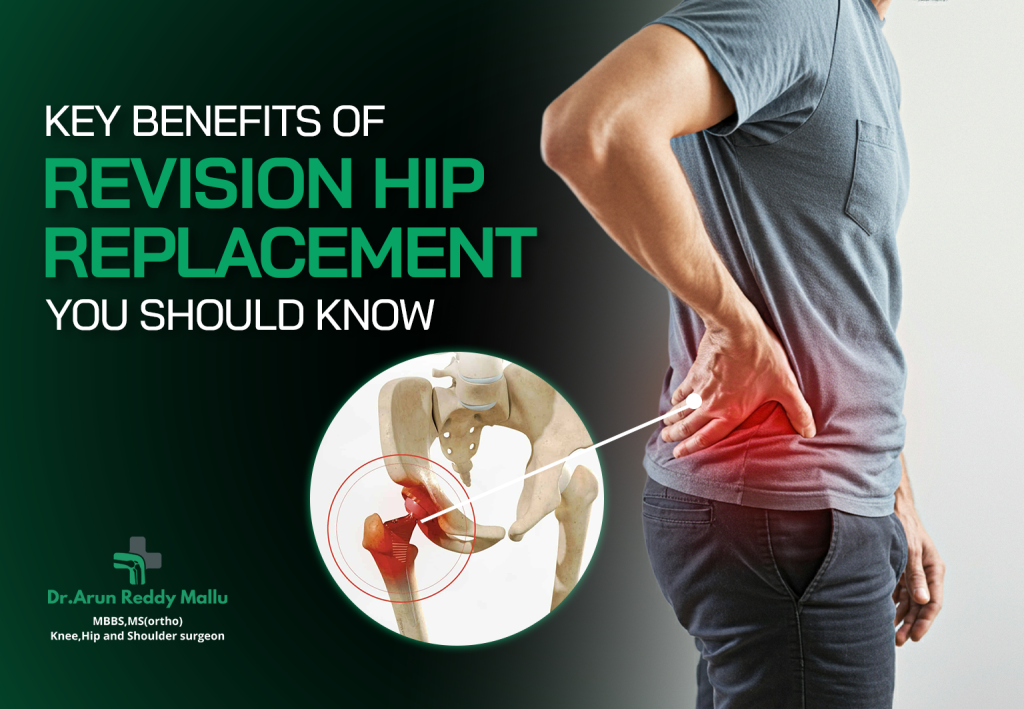
Key Benefits of Revision Hip Replacement You Should Know Hip replacement surgery has helped millions of people regain mobility and live without chronic hip pain. However, a hip implant is not designed to last forever. Over time, some patients may experience pain, instability, infection, or implant failure after their initial hip replacement. When this happens, revision hip replacement surgery becomes necessary. Revision hip replacement is a specialized procedure aimed at correcting problems from a previous hip replacement and restoring comfort, stability, and movement. Though more complex than the first surgery, it offers significant benefits when performed by an experienced orthopaedic surgeon such as Dr. Arun Reddy Mallu at Continental Hospital. What Is Revision Hip Replacement? Revision hip replacement is a surgical procedure in which part or all of an existing hip implant is removed and replaced with a new one. Unlike primary hip replacement, revision surgery deals with already altered bone, scar tissue, and sometimes weakened muscles or ligaments. This procedure is recommended when the original hip replacement no longer functions properly due to wear, loosening, infection, repeated dislocations, fractures around the implant, or persistent pain that affects daily life. What Happens During Revision Hip Replacement Surgery? Understanding what happens during revision hip replacement helps patients feel more confident and prepared. Pre-surgery evaluation Before surgery, the surgeon performs a detailed assessment using imaging tests and medical history to identify the exact problem. The surgical plan is customized based on bone quality, implant condition, and overall health. Removal of old implant During surgery, the surgeon carefully removes the worn-out or damaged hip components. This step requires precision, especially when the implant is firmly attached to bone or surrounded by scar tissue. Treatment of underlying problems If infection is present, affected tissue is thoroughly cleaned. If bone loss is found, bone grafts or special implants may be used to rebuild strength and support. Placement of new implant Advanced revision implants are placed to restore stability, correct leg length, and improve joint movement. These implants are specifically designed for revision cases and offer better fixation in weakened bone. Closure and recovery After ensuring the joint is stable, the incision is closed, and the patient is shifted to recovery. Physiotherapy usually begins early to support healing and mobility. Key Benefits of Revision Hip Replacement Effective pain relief One of the most important benefits of revision hip replacement is significant pain reduction. Pain caused by loose implants, wear debris, or infection is addressed at the source, allowing patients to experience long-term relief. Improved mobility and walking ability A failing hip replacement can severely limit movement. Revision surgery restores joint alignment and stability, making it easier to walk, sit, stand, and climb stairs with confidence. Better joint stability Patients who experience repeated hip dislocations benefit greatly from revision surgery. The procedure corrects implant positioning and improves muscle balance, reducing the risk of future dislocations. Correction of implant failure Over time, implants can wear down or loosen. Revision surgery replaces these components with modern, durable implants designed to last longer and perform better. Control of infection When infection affects a hip replacement, revision surgery plays a crucial role in removing infected tissue and restoring joint health. Treating infection early prevents further damage to bone and surrounding structures. Restoration of bone strength Bone loss is common in failed hip replacements. Revision surgery uses advanced techniques to rebuild bone, improving joint support and long-term outcomes. Improved quality of life With reduced pain and improved movement, patients often regain independence. Simple activities such as walking outdoors, performing daily chores, and enjoying social life become possible again. Long-term joint function Although revision surgery is complex, modern surgical techniques and implants allow patients to enjoy stable and functional hip joints for many years when combined with proper care and rehabilitation. Who Needs Revision Hip Replacement? Revision hip replacement may be recommended if you experience: Persistent or increasing hip pain Difficulty walking or bearing weight Recurrent hip dislocations Swelling, warmth, or signs of infection Implant loosening or mechanical failure Fractures around the hip implant Early evaluation helps prevent complications and improves surgical outcomes. Recovery After Revision Hip Replacement Recovery after revision hip replacement may take longer than primary hip replacement, but proper rehabilitation plays a key role in success. Hospital stay:Slightly longer than primary surgery Physiotherapy:Begins early to restore strength and mobility Walking support:Temporary use of walker or crutches Pain management:Controlled with medications and therapy Lifestyle changes:Following activity guidelines improves implant longevity Patients who follow rehabilitation instructions closely often achieve excellent functional recovery. Why Surgeon Experience Matters Revision hip replacement requires advanced surgical skill, careful planning, and access to specialized implants. Choosing an experienced orthopaedic surgeon is critical for achieving the best outcome. Patients seeking expert care often consult Dr. Arun Reddy Mallu at Continental Hospital, who has experience managing complex hip replacement and revision cases with a patient-focused approach. Conclusion Revision hip replacement is a powerful solution for patients facing complications after a previous hip replacement. While it is a more complex procedure, the benefits are significant — including pain relief, improved mobility, better joint stability, infection control, and enhanced quality of life. Book your revision hip replacement with Dr. Arun Reddy Mallu at Continental Hospital — call +91 99591 35963 today for expert care and lasting relief.
Early vs. Delayed Knee Replacement: Which One Is Right for You?
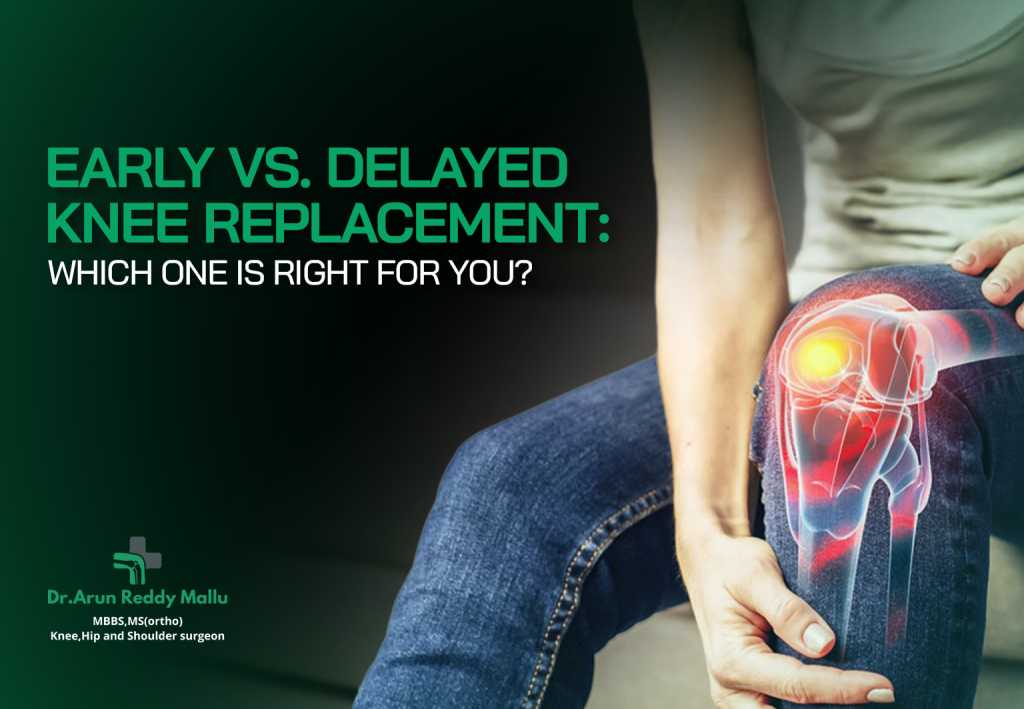
Early vs. Delayed Knee Replacement: Which One Is Right for You? Knee pain can slowly take over your life—making it difficult to walk, climb stairs, or enjoy activities you once loved. When conservative treatments like medications, physiotherapy, injections, or lifestyle changes stop helping, doctors often recommend knee replacement surgery. But the big question most patients ask is: Should I get knee replacement surgery early, or wait until the pain becomes unbearable? Choosing between early and delayed knee replacement is a critical decision that affects your long-term mobility, comfort, and overall health. In this detailed guide, we break down both options so you can make an informed choice. We also discuss how expert surgeons like Dr. Arun Reddy Mallu at Continental Hospitals guide patients toward the safest and most effective treatment plan based on their condition. Understanding Knee Replacement Surgery Knee replacement, or knee arthroplasty, is a procedure where a damaged knee joint is replaced with an artificial implant. It is performed when the knee joint becomes severely worn out due to conditions like osteoarthritis, rheumatoid arthritis, old injuries, or degenerative changes. The goal of the surgery is to: Reduce chronic pain Improve mobility Restore quality of life Support long-term joint function Advancements such as robotic knee replacement have made the procedure more accurate, safer, and more predictable, offering faster recovery and fewer complications. What Is Early Knee Replacement? Early knee replacement refers to undergoing the surgery before the joint damage becomes extreme. Patients who choose this option typically have: Moderate pain affecting daily life Early to moderate joint degeneration Limited benefit from non-surgical treatments Difficulty performing long-distance walking or exercise Benefits of Early Knee Replacement Faster Recovery and Less Joint Damage When surgery is performed earlier, surrounding tissues are healthier and inflammation is lower, making recovery smoother and faster. Better Long-Term Outcomes Early surgery helps preserve your natural joint alignment and prevents further deterioration of cartilage, ligaments, and bone. Improved Quality of Life You can return to normal activities much sooner—like walking, traveling, exercising, or playing with your children or grandchildren. Reduced Use of Pain Medicines Delaying surgery sometimes forces patients to rely heavily on painkillers or steroid injections. Early intervention helps avoid long-term medication dependency. What Is Delayed Knee Replacement? Delayed or late knee replacement involves waiting until the pain becomes severe or until the joint damage reaches an advanced stage. Some choose delay because: They fear surgery They believe medications or physiotherapy may still work They want to postpone recovery time They are concerned about cost They are young and want to avoid implant wear-out Benefits of Delaying Knee Replacement More Time to Try Non-Surgical Treatments Physiotherapy, braces, weight loss, hyaluronic injections, and PRP therapy can sometimes manage symptoms for months or even years. Avoiding Early Implant Wear Artificial knee implants last around 15–20 years on average. Younger patients may choose to delay to avoid needing a revision surgery later. Emotional Comfort Some patients prefer postponing surgery until they feel mentally ready. Risks of Delayed Knee Replacement While delaying has a few advantages, it also comes with serious drawbacks: Increased Pain and Disability As arthritis worsens, mobility decreases, leading to more stiffness, swelling, and difficulty walking. Poorer Surgical Outcomes Patients who wait too long may have weaker muscles, severe bone deformities, or ligament damage, which can complicate surgery. Slower Postoperative Rehabilitation The weaker your knee is before surgery, the harder it becomes to regain strength afterward. Higher Risk of Falling Reduced mobility increases the chances of falls, fractures, and injury. Mental Health Impact Chronic pain often leads to frustration, depression, and social withdrawal. Who Should Consider Early Knee Replacement? Early replacement is the right choice if: Your pain impacts daily routines You can’t walk or stand for long Physiotherapy and medicines no longer help Your sleep is affected due to joint pain You want to maintain an active lifestyle Athletes, working professionals, and people who travel frequently often benefit the most from early intervention. Who Should Wait or Delay Knee Replacement? Delaying may be suitable for: Patients with mild symptoms Younger individuals concerned about implant life Those responding well to conservative treatments People with medical conditions requiring stabilization before surgery However, even while delaying, regular follow-ups with an orthopedic surgeon are essential to monitor joint progression. How Dr. Arun Reddy Mallu Helps You Decide Choosing early vs delayed surgery isn’t a one-size-fits-all decision. Dr. Arun Reddy Mallu, one of the leading orthopedic and joint replacement surgeons at Continental Hospitals, uses a personalized evaluation approach that includes: Detailed physical examination X-rays and imaging analysis Assessment of joint alignment Evaluation of ligament and cartilage condition Review of your lifestyle, goals, and medical history His expertise in robotic knee replacement ensures highly precise implant placement, reduced pain, and faster recovery—benefits especially useful for patients opting for early surgery. What Happens if You Wait Too Long? Patients who delay often reach a point where: Knee deformity increases (bow legs or knock knees) Walking becomes extremely painful They lose strength in thigh muscles Daily tasks like shopping or climbing stairs feel impossible At this point, the surgery becomes more complex, and the chances of a perfect outcome decrease. Early surgery often prevents this downward spiral. The Role of Technology in Choosing the Right Time Modern tools like robotic navigation, digital scanning, and 3D knee joint mapping have made knee replacement safer and more predictable than ever. These advancements: Improve accuracy Reduce tissue damage Speed up recovery Ensure long-term implant stability If you are hesitant about early surgery, discussing these advancements with your doctor can ease your concerns. How to Know If It’s Time: Key Signs to Watch For Here are some signs you should NOT ignore: Persistent pain for more than six monthsDifficulty standing or walking for longKnee locking or instabilityMinimal relief from physiotherapyStiffness that worsens in the morningFrequent swellingPain while climbing stairsReduced participation in social or work activities If you notice these signs, consult an orthopedic specialist for a proper assessment. Conclusion Early vs delayed knee replacement
Robotic Knee Replacement Recovery: When Can You Start Playing Sports Again?
Robotic Knee Replacement Recovery: When Can You Start Playing Sports Again? Robotic knee replacement has transformed the way patients recover from knee pain, arthritis, and mobility issues. With its precision, minimally invasive approach, and faster recovery outcomes, more patients are choosing robotic-assisted surgery over traditional knee replacement. However, one of the most common concerns patients have is: “When can I start playing sports again after robotic knee replacement?” Returning to your favorite physical activities—whether it’s walking, jogging, badminton, cycling, yoga, or even more intense sports—depends on several factors. In this blog, we explore the recovery timeline, safe progression into sports, benefits of robotic technology, precautions, and expert insights from Dr. Arun Reddy Mallu, a leading knee replacement surgeon at Continental Hospitals, Hyderabad. Understanding Robotic Knee Replacement Robotic-assisted knee replacement is an advanced orthopedic procedure that uses computer-guided systems and robotic arms to enhance the accuracy of the surgery. The surgeon controls the robotic arm, ensuring perfect alignment, minimal tissue damage, and a personalized fit for the implant. Key advantages of robotic knee replacement include: Higher precisionin joint alignment Less soft tissue damageand muscle trauma Reduced blood loss Smaller incisions Faster recovery and reduced pain Long-lasting implant life These benefits play a major role in helping patients return to sports earlier than with conventional knee replacement. Typical Recovery Timeline After Robotic Knee Replacement Every patient recovers at their own pace, but robotic knee replacement often offers a smoother and more predictable recovery timeline. First 1–2 Weeks: Foundation Phase Pain and swelling start reducing. Patients typically begin walking with support on the same or next day after surgery. Simple movements, ankle pumps, and straight-leg raises are encouraged. Physical therapy focuses on improving flexibility and reducing stiffness. Weeks 3–6: Building Strength Most patients can walk without support by week 4. Strengthening exercises improve quadriceps, hamstrings, and calf muscles. Stationary cycling, gentle stretching, and low-impact activities begin. Swelling continues to reduce, and mobility improves significantly. Weeks 6–12: Returning to Daily Activities Patients regain around 70–80% of mobility. Light household activities and short outdoor walks are comfortable. Many people return to work depending on their profession. With doctor’s approval, low-impact sports can begin. 3–6 Months: Gradual Return to Sports Knee strength and stamina increase. Activities like swimming, cycling, yoga, golf, and brisk walking are usually allowed. Physio-guided training helps improve balance and agility. 6–12 Months: Full Return to Active Lifestyle Most patients safely resume sports like badminton, hiking, and doubles tennis. High-impact sports depend on individual healing, implant stability, and the surgeon’s guidance. When Can You Start Playing Sports Again? The ability to return to sports depends on: Age Type of implant Physical fitness Consistency with physiotherapy Overall knee function Doctor’s recommendations Below is a sport-wise breakdown: Safe Sports After Robotic Knee Replacement Walking & Brisk Walking – 2 to 4 Weeks Walking is essential for recovery. Most patients begin brisk walking within 3–4 weeks after robotic knee replacement. Indoor Cycling / Stationary Bike – 3 to 6 Weeks Helps improve range of motion and endurance without stressing the knee. Swimming – 6 Weeks Once the incision heals completely, swimming is one of the safest and most recommended post-surgery exercises. Yoga & Pilates – 2 to 3 Months Gentle stretching improves flexibility. Avoid deep squats or twisting movements until approved. Golf – 3 Months Most patients comfortably return to golf within three months with good balance and controlled swing movements. Badminton (Doubles) – 4 to 6 Months Doubles badminton minimizes rapid movements and impact. Start slow with warmups and soft footwork. Trekking / Hiking – 4 to 6 Months With strong muscles and balance, hiking becomes safe. Choose easy trails initially. Tennis (Doubles) – 6 Months and Above Doubles play reduces the need for sudden direction changes. Singles tennis may require more time. Sports to Avoid After Knee Replacement While robotic knee replacement offers excellent joint function, some high-impact sports should still be avoided to protect the implant: Running or jogging on hard surfaces Football Basketball Volleyball High-impact aerobics Contact sports These activities put repetitive stress on the knee joint and may reduce the lifespan of the implant. Why Robotic Knee Replacement Helps You Return to Sports Faster Improved Alignment Perfect alignment ensures smoother motion and less strain during sports activities. Personalized Implant Fit Robotic systems ensure each cut and angle matches your knee’s anatomy, enhancing stability. Less Soft-Tissue Damage Minimally invasive techniques allow faster healing and early movement. Reduced Pain Accurate surgical precision means less post-operative discomfort, giving patients confidence to be active sooner. Faster Rehabilitation Patients often begin physiotherapy early, which accelerates recovery. Expert Insights – Dr. Arun Reddy Mallu, Continental Hospitals Dr. Arun Reddy Mallu, one of Hyderabad’s leading orthopedic and robotic knee replacement specialists at Continental Hospitals, emphasizes that robotic technology ensures consistently better outcomes for active individuals. According to him: The precision of robotic systems significantly reduces recovery time. Patients regain mobility faster and feel more confident returning to sports. Proper physiotherapy and regular follow-ups are essential to achieving full sports readiness. He further explains that a personalized recovery plan is crucial for athletes, seniors, and physically active individuals who wish to return to their preferred sports safely. Tips to Safely Return to Sports After Robotic Knee Replacement Follow Your Physiotherapy Routine Skipping exercises slows healing and delays your return to sports. Start Slow and Progress Gradually Begin with low-impact activities and slowly increase intensity. Use Proper Footwear Reduces shock impact and protects your knees. Strengthen Core & Leg Muscles Improves balance and helps prevent injuries. Avoid Sudden Movements Twisting, deep bending, or jumping can stress the implant. Regular Follow-Ups Consult Dr. Arun Reddy Mallu at Continental Hospitals for periodic assessment to ensure the knee is ready for sports. Conclusion Robotic Knee Replacement offers a faster, smoother, and more precise recovery experience, making it easier for patients to return to their favorite sports safely. With improved implant alignment, reduced pain, and early mobility, robotic technology provides an excellent advantage for active individuals. Most
Arthroplasty Explained: Everything About Joint Replacement Surgery
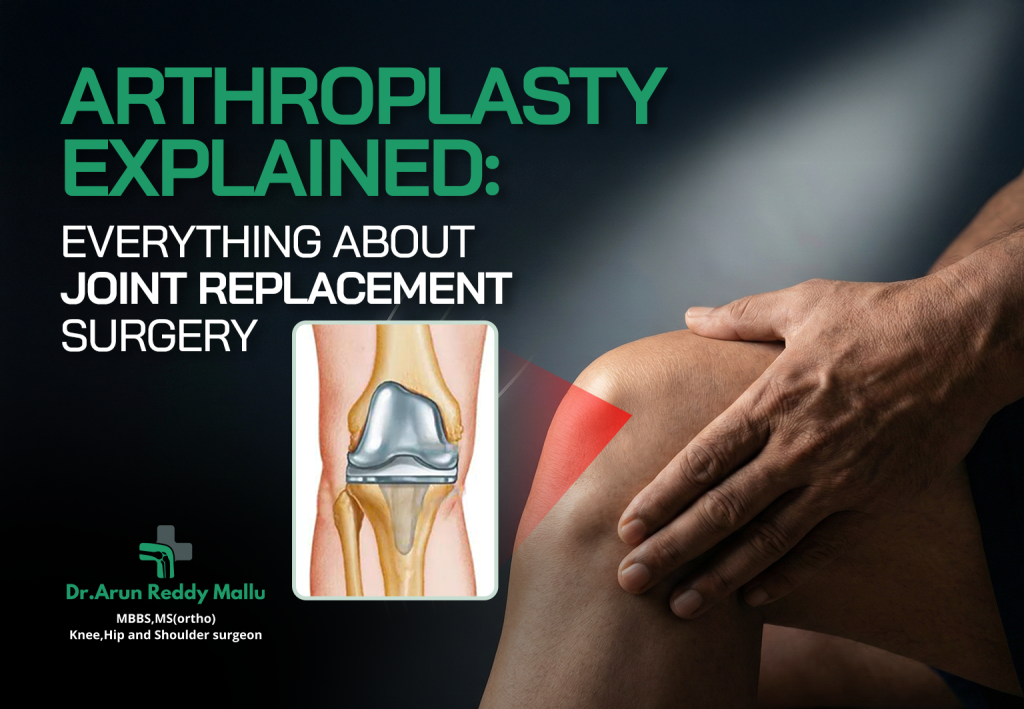
Arthroplasty Explained: Everything About Joint Replacement Surgery Joint pain in the knees, hips, shoulders, or elbows is a common issue affecting millions of people worldwide. Chronic joint pain caused by osteoarthritis, rheumatoid arthritis, injuries, or age-related wear and tear can significantly limit mobility and impact quality of life. When medications, physiotherapy, and lifestyle changes are no longer effective, arthroplasty — commonly known as joint replacement surgery — becomes one of the most reliable and successful treatment options. Thanks to advancements in surgical techniques, prosthetic implant materials, robotic-assisted surgery, and enhanced recovery protocols, arthroplasty today offers better outcomes, faster recovery, and improved long-term function. For patients looking for expert guidance, experienced orthopedic surgeon Dr. Arun Reddy Mallu At Continental Hospital provide advanced and precise care in performing joint replacement procedures. What Is Arthroplasty? Arthroplasty refers to the surgical reconstruction or replacement of a joint to restore normal movement and function. While the term can include procedures to reshape or realign joints, it most commonly refers to joint replacement surgery, where damaged parts are replaced with artificial implants known as prostheses. Arthroplasty can be performed on various joints, including: Knee Hip Shoulder Elbow Ankle Wrist Finger joints Among these, knee and hip replacements are the most widely performed and have the highest success rates. Why Is Arthroplasty Needed? A joint replacement may be recommended when a person experiences: Severe joint pain that interferes with daily activities Pain that persists even during rest or affects simple movements like walking, climbing stairs, or reaching overhead is a major indication. Advanced joint damage visible on imaging X-rays or MRIs may show narrowing of joint space, bone spurs, deformity, or cartilage degeneration. Ineffective non-surgical treatments If medications, physiotherapy, steroid injections, or lifestyle modifications fail to provide relief, arthroplasty becomes a viable solution. Loss of mobility or joint instability Joint instability, stiffness, or restricted motion can significantly compromise daily function. Deformity of the joint Conditions like bowlegs, knock knees, or hip deformities may also call for joint replacement. Common Types of Arthroplasty Total Joint Replacement (TJR) This is the most common type of arthroplasty where both sides of a damaged joint are replaced with prosthetic components.Examples: Total Knee Replacement (TKR), Total Hip Replacement (THR). Partial Joint Replacement Only the damaged portion of the joint is replaced, preserving healthy bone and tissue.Example: Unicompartmental Knee Replacement. Revision Arthroplasty Performed when a previous joint replacement fails due to wear, infection, or mechanical issues. Revision surgery is more complex than primary replacement. Resurfacing Arthroplasty Involves reshaping or capping the joint surfaces rather than replacing the entire joint.Example: Hip resurfacing for younger patients with strong bone density. Benefits of Arthroplasty Arthroplasty offers numerous long-term benefits, making it one of the most successful surgeries in modern medicine. Pain Relief The primary and most immediate benefit is significant reduction in joint pain. Many patients report dramatic improvement within days to weeks after surgery. Improved Mobility Restored joint function allows patients to walk more comfortably, climb stairs, and resume daily activities. Enhanced Quality of Life Patients often experience improved sleep, increased independence, and better emotional well-being. Long-Lasting Results Modern implants are durable and can last 15–20 years or more depending on activity levels and implant type. Correction of Deformity Arthroplasty can effectively realign joints and correct deformities caused by arthritis. How to Prepare for Arthroplasty Preoperative preparation plays a crucial role in ensuring a smooth surgery and successful recovery. Medical Evaluation A surgeon will review your medical history, perform physical examinations, and order tests like blood work, ECG, and imaging studies. Pre-Surgery Physiotherapy Strengthening muscles around the affected joint improves postoperative outcomes. Lifestyle Adjustments Weight reduction (if needed) Quitting smoking Managing diabetes or hypertension Home Preparation Arrange support, install safety bars, and create a comfortable environment for recovery. The Arthroplasty Procedure: What Happens During Surgery? Although details vary based on the type of surgery, most joint replacement procedures follow these steps: Anesthesia– General or spinal anesthesia is administered. Incision & Exposure– The surgeon makes an incision to access the damaged joint. Removal of Damaged Tissue– Worn-out cartilage and bone are removed. Implant Placement– Prosthetic parts made of metal, ceramic, or high-grade plastic are fitted. Closure– The surgical site is closed with sutures or staples. Recovery & Monitoring– The patient is moved to the recovery room for observation. With modern surgical techniques like minimally invasive surgery, computer navigation, and robotic assistance, precision has increased and recovery times have shortened significantly. Recovery After Arthroplasty Recovery varies depending on the type of joint replaced and the patient’s overall health. However, most patients follow a similar recovery pattern: Hospital Stay Typically 2–4 days, though some minimally invasive procedures allow same-day discharge. Pain Management Medications and ice therapy help control postoperative discomfort. Physiotherapy Physical therapy starts within 24 hours post-surgery and continues for several weeks. Proper rehabilitation is vital for regaining strength, balance, and mobility. Return to Daily Activities Walking with support: 1–3 days Climbing stairs: 1–2 weeks Driving: 4–6 weeks (for knee and hip replacements) Full recovery: 3–6 months depending on the joint Long-Term Care Patients are advised to avoid high-impact activities but can comfortably resume low-impact exercises like walking, cycling, and swimming. Risks and Complications of Arthroplasty While arthroplasty is safe and widely performed, like any surgical procedure, it comes with certain risks: Infection Blood clots Implant loosening or wear Stiffness Nerve or blood vessel injury Allergic reaction to implant materials Choosing an experienced orthopedic surgeon greatly reduces the risk of complications. Why Choose a Specialist for Arthroplasty? Joint replacement is a highly specialized procedure requiring precision, expertise, and advanced technology. A skilled orthopedic surgeon ensures: Accurate diagnosis Personalized treatment planning Minimally invasive surgical options Faster and safer recovery Long-lasting results Technological advancements such as robotic-assisted surgery, computer navigation, and high-performance implants have further improved success rates and patient satisfaction. Conclusion: Arthroplasty has transformed the lives of millions by reducing pain, improving mobility, and restoring independence. Whether you are suffering from severe arthritis, joint deformity, or chronic joint pain, modern joint replacement surgery offers a reliable and long-term solution. If you are considering arthroplasty and want expert guidance
Post Knee Replacement? Avoid These Exercises for Safe Recovery
Post Knee Replacement? Avoid These Exercises for Safe Recovery Knee replacement surgery—whether partial or total—is one of the most successful orthopedic procedures performed today. For many people, it restores mobility, reduces chronic pain, and allows them to return to the activities they love. But while the surgery itself is a major step toward improved quality of life, the success of recovery largely depends on what you do or don’t do afterward. A crucial part of recovery is avoiding exercises and activities that place too much strain on your new joint, especially during the early healing period. Even after you feel “better,” the tissues, muscles, and the prosthetic joint need time to adapt. Doing the wrong movements can delay healing, cause unnecessary pain, or potentially damage the implant. This guide will help you understand which exercises to avoid after knee replacement surgery—and why—so you can recover safely, smoothly, and confidently.For personalized guidance throughout your recovery, Dr. Arun Reddy Mallu at Continental Hospitals can help ensure you follow the safest rehabilitation practices. Why You Need to Avoid Certain Exercises After Knee Replacement Knee replacement involves removing damaged cartilage and bone and inserting a prosthetic joint. Although modern implants are durable, they are not indestructible. High-impact forces, sudden twisting motions, or excessive bending can affect the stability of the implant or loosen the surrounding soft tissues. Common reasons to avoid certain exercises include: Risk of implant loosening or wear Stress on healing tissues and ligaments Increased pain and inflammation Higher chances of falls or injury Interference with physiotherapy goals By avoiding high-risk exercises, you give your knee the optimal environment to heal and strengthen gradually.If you are unsure about which movements are safe, consult Dr. Arun Reddy Mallu at Continental Hospitals for expert recommendations tailored to your recovery stage. Exercises and Activities to Avoid After Knee Replacement Below is a detailed breakdown of exercises and movements you should not perform—especially within the first 12 weeks, although some should be avoided permanently unless cleared by your surgeon. High-Impact Activities High-impact activities involve both feet leaving the ground and create shock forces that can jeopardize your implant. These are widely discouraged after knee replacement. Avoid: Running or jogging Jumping jacks High-intensity aerobics Jump rope Plyometric training Why? High-impact movements transmit strong forces through your knee joint with every landing. Even if your implant is secure, repetitive impact can cause early wear or damage the surrounding bone. Better Alternatives Walking Cycling Swimming Elliptical training Deep Squats and Heavy Weight Lifting Many patients are eager to return to their gym routines, but certain strength exercises are too demanding. Avoid: Deep squats (more than 90° knee bend) Heavy barbell squats Lunges with heavy weights Leg press with heavy load Why? Deep bending places immense pressure on the knee joint, which may compromise the integrity of the implant. Heavy weights also strain the quadriceps and ligaments, which are still healing. Better Alternatives Wall sits Light resistance band training Supported mini-squats (≤45° bend) Seated leg extensions with light resistance Twisting or Pivoting Movements Rotational movements are dangerous for the new joint, especially in the early months after surgery. Avoid: Basketball Tennis Squash Skiing Dance routines involving fast turns Why? Twisting can place shear stress on the implant and the healing ligaments. Until your muscles regain full strength, your knee is more vulnerable. Better Alternatives Straight-line walks Stationary cycling Water therapy exercises High-Resistance Cycling Cycling is one of the best exercises after knee replacement, but resistance level matters. Avoid: Cycling with heavy resistance Spin cycles with intense climbing intervals Why? Heavy resistance pushes the knee into deep flexion and increases joint load. This can cause pain or swelling and slow your recovery. Better Alternatives Low-resistance cycling Smooth pedaling at moderate speed Sitting on Low Chairs or Deep Sofa Cushions Although not technically an “exercise,” this activity places your knee in an extreme bending position that can stress the implant. Avoid: Sitting on bean bags Low recliners Deep couch cushions Why? Getting up from these positions requires forceful knee flexion and can strain healing tissues. Better Alternatives Use firmer, higher chairs Support your knee with pillows when sitting Outdoor Activities with High Fall Risk Falls are one of the biggest threats to a healing knee replacement. Avoid: Hiking on uneven terrain Outdoor cycling on rocky or hilly paths Skating and rollerblading Water sports requiring balance (surfing, paddle boarding) Why? A fall can directly injure your knee or displace the implant. Better Alternatives Treadmill walking Smooth-surface indoor cycling Pool exercises Overstretching or Aggressive Yoga Poses Flexibility is important, but overstretching can damage the knee and surrounding tissues. Avoid: Deep kneeling Lotus position Full kneel-to-squat transitions Hot yoga (due to overstretching risk) Why? Some yoga poses push the knee into angles that are unsafe for a prosthetic joint. Excess heat can also mask overstretching and cause ligament strain. Better Alternatives Gentle yoga Modified stretches Chair yoga for seniors Running on a Treadmill (Even Light Jogging) Even soft treadmill surfaces are not safe for running after a knee replacement. Avoid: Light jogging on treadmill Sprint intervals Why? Running involves repeated pounding. Even low-impact treadmills cannot counteract the force transmitted through your knee. Better Alternatives Brisk walking Incline walking for cardio challenge What You Should Focus on Instead While certain exercises are unsafe, a well-designed physiotherapy program is essential for recovery. Safe exercises to include are: Ankle pumps(to improve circulation) Quad sets(to activate thigh muscles) Straight leg raises Heel slides Hamstring stretches Stationary bike with low resistance Aquatic therapy Always follow your surgeon’s and physiotherapist’s guidance. Healing varies from person to person; what works for one patient may not be suitable for another. How Long Should You Avoid These Exercises? The timeline depends on factors like age, implant type, bone quality, and overall health. Generally: First 12 weeks: Strict avoidance of high-impact and deep-bending activities. 3–6 months: Gradual return to low-impact activities with physiotherapist approval. 6+ months: Some previously restricted activities may be introduced, depending on your progress. High-impact sports: Often discouraged permanently after total knee replacement unless cleared by your surgeon. Conclusion Recovering
Effective Knee Pain Exercises to Improve Strength and Flexibility

Effective Knee Pain Exercises to Improve Strength and Flexibility Knee pain is one of the most common issues affecting people of all ages. Whether it’s due to arthritis, past injuries, strain from daily activities, or lack of muscle strength, knee discomfort can limit your mobility and affect your quality of life. The encouraging part is that exercise is one of the safest and most effective ways to manage knee pain naturally. When done correctly, the right exercises strengthen the muscles around the knee, improve joint support, and enhance flexibility. This comprehensive guide covers the best knee pain treatment in Hyderabad exercises, how they help, what to avoid, and when to seek expert care — including guidance from Dr. Arun Reddy at Continental Hospital, who specializes in knee, hip, and shoulder conditions. Why Exercises Help Knee Pain Many people assume that rest is the best solution for knee pain. While rest is important during flare-ups, long-term inactivity can lead to muscle weakening, stiff joints, and worsening pain. Exercise helps knee pain by: Strengthening supporting muscles Strong quadriceps, hamstrings, glutes, and calf muscles act as shock absorbers. When these muscles are weak, the knee joint takes more pressure, leading to pain. Improving flexibility Tight muscles pull the knee joint out of alignment. Stretching improves range of motion and reduces strain. Enhancing joint lubrication Movement helps circulate synovial fluid, which nourishes and protects the cartilage. Improving balance and stability Better stability reduces falls, missteps, and sudden twisting injuries. Supporting long-term joint health For conditions like early osteoarthritis, regular exercise is proven to slow progression and reduce symptoms. Warm-Up Before Exercising A 5–10 minute warm-up increases blood flow and prepares your joints for movement. Examples: Slow walking Gentle cycling Leg swings Marching in place Best Strengthening Exercises for Knee Pain Strength exercises are the foundation of knee pain management. These moves strengthen the muscles that support and stabilize the knee. Straight-Leg Raises How to do it: Lie on your back with one knee bent and the other leg straight. Tighten the thigh muscle of the straight leg. Slowly lift it about 12–15 inches off the ground. Hold for 3–5 seconds and lower slowly. Benefits:Strengthens quadriceps without putting pressure on the knee joint. Reps: 2–3 sets of 12–15 repetitions per leg. Mini Squats How to do it: Stand with feet shoulder-width apart. Bend your knees slightly (20–30° only). Keep your chest upright and push hips back slightly. Return to standing. Benefits:Strengthens quads, glutes, and core with minimal knee strain. Reps: 2–3 sets of 10–12. Hamstring Curls How to do it: Hold a chair or wall for support. Bend one knee to bring your heel toward your buttocks. Hold 2–3 seconds, lower slowly. Benefits:Balances strength between front and back of thighs. Reps: 2–3 sets of 10–15 reps. Step-Ups How to do it: Use a low step. Step up with one foot and bring the other foot up. Step down slowly. Benefits:Improves functional strength used in stair climbing and daily activities. Reps: 2–3 sets of 10 reps per leg. Glute Bridges How to do it: Lie on your back with knees bent. Raise your hips until your body forms a straight line. Hold 2–3 seconds. Benefits:Strengthens glutes and hamstrings, reducing strain on the knees. Reps: 2–3 sets of 12–15. Calf Raises How to do it: Stand near a wall for support. Lift your heels and stand on your toes. Lower slowly. Benefits:Improves ankle mobility and shock absorption, helping knee alignment. Reps: 2–3 sets of 15–20. Best Flexibility & Stretching Exercises for Knee Pain Flexibility routines complement strengthening exercises by reducing stiffness and improving mobility. Quadriceps Stretch How to do it: Stand and hold your ankle behind you. Pull heel toward your buttocks. Keep knees close together. Benefits:Reduces strain on the knee cap and front thigh muscles. Hold: 20–30 seconds per leg. Hamstring Stretch How to do it: Sit with one leg stretched out. Lean forward with a straight spine. Avoid rounding your back. Benefits:Improves flexibility at the back of the thigh. Hold: 20–30 seconds. Calf Stretch How to do it: Stand against a wall. Keep one foot behind the other. Lean forward while keeping back heel on the floor. Benefits:Reduces lower leg tightness that can worsen knee pain. Hold: 20–30 seconds. Hip Flexor Stretch How to do it: Kneel on one knee and lunge forward. Keep upper body straight. Benefits:Tight hips can shift pressure to the knees — stretching them improves alignment. Hold: 20–30 seconds. IT Band Stretch How to do it: Cross one leg behind the other. Lean toward the side of the back leg. You will feel a stretch on the outer thigh. Benefits:Helps reduce friction and outer knee pain. Hold: 20–30 seconds. Low-Impact Cardio for Knee Health Cardio helps maintain a healthy body weight and improves circulation to joints. Great options include: Walking Cycling Elliptical trainer Swimming or water walking These activities reduce stress on knees while improving endurance. Weekly Routine to Follow (Beginner-Friendly) Strength Training:2–3 days per week Straight-leg raises Mini squats Glute bridges Step-ups Hamstring curls Calf raises Stretching:Daily Hamstrings Quads Calves IT band Hip flexors Cardio:20–30 minutes, 3–5 times per week. When to Avoid Exercise Stop or modify exercises if you experience: Sharp knee pain Sudden swelling Locking or catching of the knee Inability to bear weight Pain that persists for more than 48 hours should be evaluated by a specialist. When to Consult a Specialist If knee pain is affecting your daily life, causing instability, or not improving even after consistent exercise, it’s time to seek expert advice. For accurate diagnosis, personalized exercise plans, and advanced treatment options, you can consult Dr. Arun Reddy at Continental Hospital. He is experienced in treating knee, hip, and shoulder conditions, and can guide you from conservative treatments to advanced care if needed. Conclusion Knee pain can limit your mobility and affect your lifestyle, but a structured exercise routine focusing on strength, flexibility, and low-impact movement can significantly reduce symptoms and improve function. Strength exercises like straight-leg raises,
Bad Signs After ACL Surgery: When to Call Your Doctor
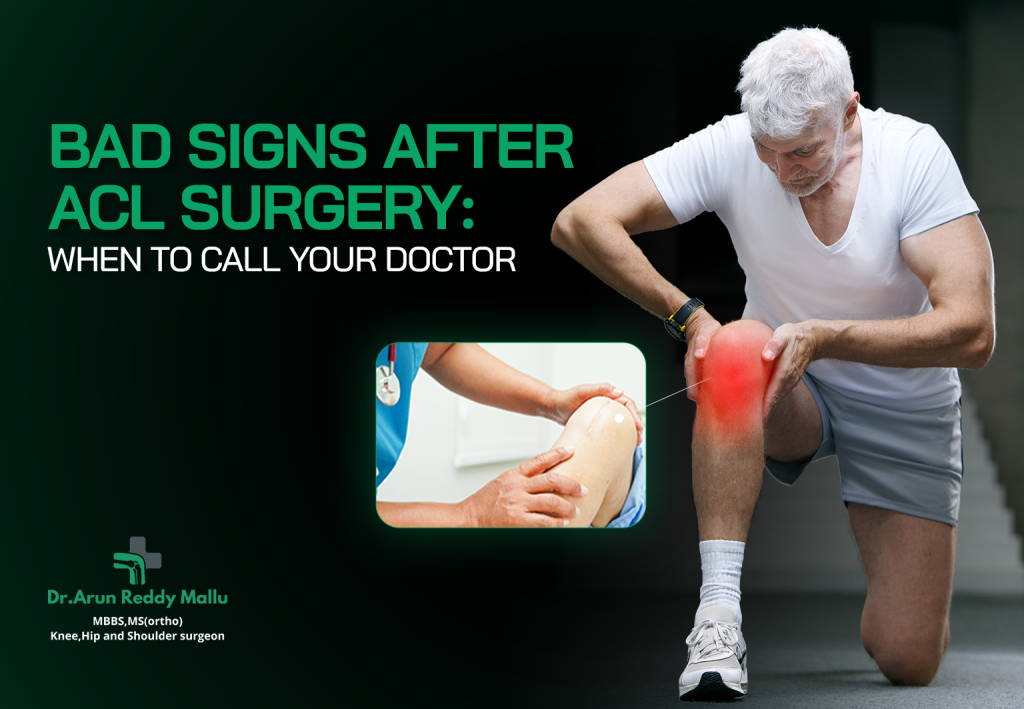
Bad Signs After ACL Surgery: When to Call Your Doctor Anterior Cruciate Ligament (ACL) surgery is one of the most common procedures to restore knee stability after a ligament tear. Whether you’re an athlete aiming to return to sports or someone recovering from a knee injury, proper post-surgical care is crucial. While mild pain, swelling, and stiffness are normal in the early stages, some warning signs could indicate serious complications after ACL surgery. Recognizing these symptoms early helps prevent long-term issues and ensures smooth recovery. Normal vs. Abnormal Recovery Symptoms After ACL reconstruction, your knee will feel sore, swollen, and slightly stiff. These symptoms are a normal part of healing and should gradually improve over time. However, if pain worsens or new symptoms appear, it could be a sign of infection, blood clots, or other complications. Knowing the difference between normal recovery signs and bad signs after ACL surgery is key to avoiding delays in treatment. 1. Excessive Swelling and Severe Pain Some swelling is expected, but if it increases suddenly or comes with sharp, constant pain, it may indicate joint infection, internal bleeding, or fluid buildup. You should be concerned if: Pain becomes unbearable even with rest or medication Swelling does not decrease with ice therapyor leg elevation The knee feels unusually tight or hard If these symptoms persist, you should contact your orthopedic surgeon immediately to rule out serious problems. 2. Signs of Infection An infection after ACL surgery is rare but serious. It can occur if bacteria enter the surgical wound. Early identification is essential to prevent deeper tissue damage. Watch for these infection warning signs: Redness and warmth around the incision Feveror chills Pus or foul-smelling dischargefrom the wound Persistent pain that does not improve Infections can spread quickly and may require antibiotics or, in severe cases, surgical cleaning. Never ignore signs of infection after surgery. 3. Difficulty Moving or Bending the Knee Limited movement is normal for a few days after surgery. But if you’re unable to bend or straighten your knee despite regular physiotherapy, it could be a sign of arthrofibrosis—a condition where excess scar tissue forms around the joint. Symptoms include: Joint stiffnessthat doesn’t improve Pain during stretching A “locked” or “tight” feeling in the knee Prompt evaluation and targeted therapy can prevent permanent stiffness and help restore flexibility. 4. Numbness or Tingling Sensations A little numbness around the incision is normal due to nerve irritation. However, persistent tingling, burning, or loss of sensation in your leg or foot could mean nerve damage or compression. Seek medical attention if: Numbness spreads below the knee You feel weakness in your foot or ankle There’s a burning pain that increases with movement Early diagnosis ensures quick recovery and prevents long-term nerve complications. 5. Bleeding or Fluid Leakage from the Wound A small amount of pinkish fluid is normal after surgery. But if the wound shows heavy bleeding, yellow discharge, or a bad smell, it may indicate infection or poor wound healing. Do not press or clean the wound yourself. Cover it lightly and reach out to your doctor for proper wound care advice. 6. Calf Pain and Swelling – Possible Blood Clot (DVT) One of the most dangerous complications after ACL surgery is Deep Vein Thrombosis (DVT), a blood clot that forms in your leg veins. Be alert to: Calf painor tenderness Swellingthat’s more on one leg Warm or discolored skin If the clot moves to your lungs, it can cause a Pulmonary Embolism (PE)—a life-threatening emergency. Symptoms like chest pain, shortness of breath, or coughing up blood require immediate medical help. 7. Instability or “Giving Way” Sensation After ACL surgery, your knee should feel stronger over time. But if you experience instability or the feeling that your knee is “giving way,” it might indicate: Graft failure Re-injury Weak musclesdue to improper rehab Avoid sports or heavy activities until your surgeon clears you. Ignoring this sign can damage your graft permanently. 8. Persistent Fever or Fatigue A mild fever is normal within the first 48 hours. But if your temperature stays above 101°F (38.3°C) or you feel constant fatigue, it could point to an infection or inflammation. Monitor your body temperature daily and report any unusual rise to your healthcare provider. 9. Popping, Clicking, or Locking Sounds A soft clicking sound in the knee during recovery is usually harmless. But if you hear loud pops, grinding, or locking along with pain, it could mean: Graft issue Meniscus tear Mechanical problem inside the joint Your surgeon may recommend an MRI scan to assess the cause and ensure your new ligament is healing properly. When to Call Your Doctor Immediately Call your doctor right away if you notice any of the following bad signs after ACL surgery: Sudden increase in pain or swelling Redness, warmth, or pusaround the wound Calf painor swelling Numbness, tingling, or weakness Feverabove 101°F Shortness of breathor chest discomfort Never ignore these symptoms or attempt home remedies—they could worsen your condition. Tips for a Safe and Fast Recovery Proper post-surgery care helps prevent complications and speeds up healing. Follow these key ACL recovery tips: Follow your rehabilitation planstrictly Keep the surgical incision clean and dry Apply ice packsto control swelling Avoid putting full weight on the leg too soon Take prescribed medications on time Attend all follow-up appointmentsand physiotherapy sessions With expert supervision from Dr. Arun Reddy Mallu at Continental Hospital, patients can recover safely and regain knee strength efficiently through personalized rehabilitation programs and advanced post-operative care. Conclusion Recovering from ACL reconstruction surgery takes time, patience, and consistency. While mild pain, swelling, and stiffness are part of the healing process, certain symptoms should never be ignored. Recognizing bad signs after ACL surgery—such as excessive pain, infection, or knee instability—can prevent serious complications and help you get back to your normal routine faster. If you notice any of these warning signs or experience unusual discomfort, reach out to your doctor immediately. For expert orthopedic care and advanced recovery guidance, consult Dr. Arun Reddy Mallu at Continental Hospital, a trusted specialist in ACL reconstruction and knee injury