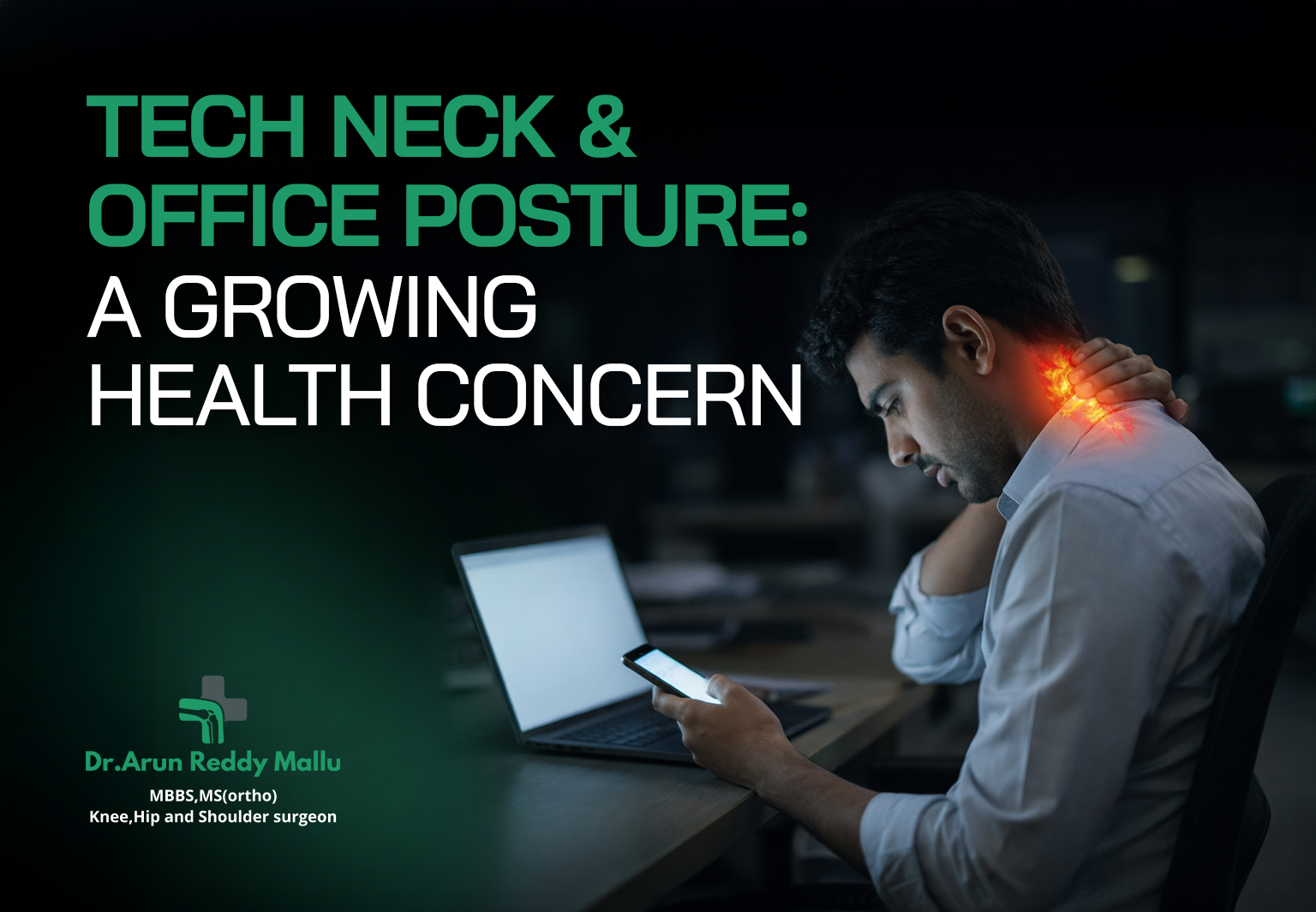
In the modern digital era, technology has transformed the way we work, communicate, and live. From computers and laptops to smartphones and tablets, screens have become a central part of everyday life. While these devices have increased productivity and connectivity, they have also introduced new health challenges. One of the most common and rapidly growing problems is Tech Neck, a condition linked to prolonged device use and poor posture.
Tech neck and poor office posture are becoming increasingly common among professionals, students, and even teenagers. Many people spend several hours each day sitting in front of screens, often without realizing the strain this puts on their neck, shoulders, and spine. Over time, this can lead to chronic pain, reduced mobility, and long-term musculoskeletal problems.
Understanding the causes, symptoms, and prevention strategies for tech neck is essential for maintaining overall health in today’s technology-driven world.
What is Tech Neck?
Tech neck refers to neck pain and discomfort caused by repeatedly looking down at digital devices for long periods. This posture places significant pressure on the cervical spine, the upper part of the spine that supports the head.
In a neutral position, the human head weighs about 10–12 pounds. However, when the head tilts forward to look at a phone or laptop, the pressure on the neck increases dramatically. At steep angles, the effective weight placed on the neck can increase several times, forcing muscles and ligaments to work much harder than they should.
Over time, this strain can lead to muscle fatigue, spinal misalignment, and chronic neck pain.
Why Tech Neck is Becoming More Common
Several lifestyle and workplace changes have contributed to the increasing prevalence of tech neck.
Increased Screen Time
One of the biggest reasons for tech neck is the dramatic rise in screen time. Many people spend most of their day using computers for work, followed by additional hours on smartphones for social media, entertainment, and communication.
Office employees may spend 8 to 10 hours a day in front of computer screens. After work, many continue using digital devices at home, leaving little time for the body to recover.
Poor Workplace Ergonomics
Many workplaces are not designed with proper ergonomics in mind. Employees often work with laptops placed too low on desks or without proper chair support. These setups force workers to bend their necks forward or slouch while typing.
Common ergonomic issues include:
- Monitors positioned below eye level
- Chairs without proper lumbar support
- Desks that are too high or too low
- Poor keyboard and mouse placement
These factors contribute to poor posture and increased strain on the neck and upper back.
Sedentary Work Culture
Modern jobs often require prolonged sitting with minimal movement. Sitting for extended periods causes muscles to stiffen and weakens the core and back muscles that support proper posture.
When combined with poor sitting posture, this sedentary lifestyle increases the likelihood of developing neck and back pain.
Excessive Smartphone Use
Smartphones are another major contributor to tech neck. Many people frequently look down at their phones while texting, browsing, or scrolling through social media. This constant downward gaze places continuous pressure on the neck.
Young adults and teenagers are particularly at risk because they often spend long periods using mobile devices.
Common Symptoms of Tech Neck
Tech neck symptoms usually develop gradually and may worsen if left untreated. Many individuals initially dismiss these symptoms as temporary discomfort.
Common symptoms include:
- Persistent neck pain or stiffness
- Shoulder tightness
- Upper back discomfort
- Headaches, especially tension headaches
- Reduced range of motion in the neck
- Muscle fatigue in the neck and shoulders
- Tingling or numbness in the arms or hands
In some cases, people may also experience eye strain or fatigue due to prolonged screen exposure.
If these symptoms continue for extended periods, they can interfere with daily activities and work performance.
Long-Term Health Risks of Poor Posture
Ignoring tech neck and poor office posture can lead to serious long-term health issues.
Spinal Misalignment
Forward head posture can gradually change the natural curvature of the spine. This can lead to structural issues such as rounded shoulders or an exaggerated curve in the upper back.
Herniated or Compressed Discs
Excess pressure on the cervical spine may cause spinal discs to compress or bulge, potentially irritating nearby nerves. This can lead to radiating pain in the shoulders and arms.
Chronic Pain Conditions
Untreated posture-related strain may develop into chronic neck or back pain, requiring medical treatment and physical therapy.
Reduced Mobility
Long-term muscle stiffness can reduce flexibility in the neck and upper back, making everyday movements uncomfortable.
Nerve Compression
When muscles and joints around the cervical spine become strained, nearby nerves may become compressed, causing numbness, tingling, or weakness in the arms and hands.
These complications highlight the importance of maintaining proper posture during daily activities.
The Impact on Office Workers
Office professionals are among the most affected groups when it comes to tech neck. Long working hours, tight deadlines, and extended computer usage often lead employees to ignore posture and physical movement.
A common issue among office workers is forward head posture, where the head moves ahead of the shoulders while sitting. This position places continuous strain on the neck and upper back muscles.
Remote work has also contributed to the problem. Many people work from home using dining tables, sofas, or beds instead of ergonomic workstations. These setups often lack proper support and can worsen posture-related issues.
Over time, poor workplace habits can significantly affect productivity, comfort, and overall well-being.
Preventing Tech Neck and Improving Posture
Fortunately, tech neck can often be prevented through simple lifestyle adjustments and increased awareness of posture.
Maintain Proper Screen Height
Ensure that your computer monitor or laptop screen is at eye level. This prevents the need to bend your neck forward while working.
If using a laptop, consider using a laptop stand or external monitor to raise the screen to a comfortable height.
Set Up an Ergonomic Workspace
A well-designed workspace can reduce strain on the neck and back. Key ergonomic recommendations include:
- Sit in a chair with good lumbar support
- Keep your back straight and shoulders relaxed
- Place feet flat on the floor
- Position the keyboard and mouse at elbow height
- Maintain a comfortable distance between your eyes and the screen
Take Regular Breaks
Avoid sitting in the same position for long periods. Short breaks every 20 to 30 minutes allow muscles to relax and reduce tension.
Standing, stretching, or walking for a few minutes can significantly improve circulation and reduce stiffness.
Practice Posture Awareness
Maintaining proper posture throughout the day is essential. Keep your ears aligned with your shoulders and avoid slouching.
A simple reminder to sit upright can prevent long-term strain on the spine.
Stretch and Strengthen Muscles
Regular stretching and strengthening exercises help maintain flexibility and support the neck and upper back.
Helpful exercises include:
- Neck stretches
- Chin tuck exercises
- Shoulder rolls
- Upper back strengthening exercises
- Yoga or mobility routines
These activities help counteract the effects of prolonged sitting.
Limit Excessive Device Use
Try to reduce unnecessary screen time, especially on smartphones. When using a phone, hold it closer to eye level rather than looking down for extended periods.
When to Seek Medical Advice
If neck pain becomes persistent or severe, professional medical advice should be sought. Ignoring symptoms may lead to worsening conditions.
Medical consultation is recommended if you experience:
- Persistent neck pain lasting several weeks
- Tingling or numbness in arms or hands
- Severe headaches related to neck strain
- Weakness in the arms
- Limited neck movement
Early evaluation and treatment can prevent further complications and support faster recovery.
Conclusion
Tech neck and poor office posture are becoming major health concerns in today’s digital world. With the growing dependence on computers and smartphones, many individuals unknowingly place excessive strain on their neck and spine every day.
Poor posture, prolonged sitting, and excessive screen time can lead to chronic pain, reduced mobility, and long-term spinal issues if not addressed early. However, simple changes such as maintaining proper ergonomics, taking regular breaks, performing stretching exercises, and being mindful of posture can significantly reduce the risk.
Taking proactive steps to protect spine health is essential for long-term well-being and productivity. For individuals experiencing persistent neck pain or posture-related spine problems, consulting a specialist can help identify the root cause and provide effective treatment.
Experts Dr. Arun Reddy Mallu at Continental Hospitals provide specialized care for spine and posture-related conditions, helping patients restore mobility, relieve pain, and maintain a healthier lifestyle.
Tech Neck & Office Posture problems? Consult Dr. Arun Reddy Mallu at Continental Hospitals – Call +91 9959135963 today.