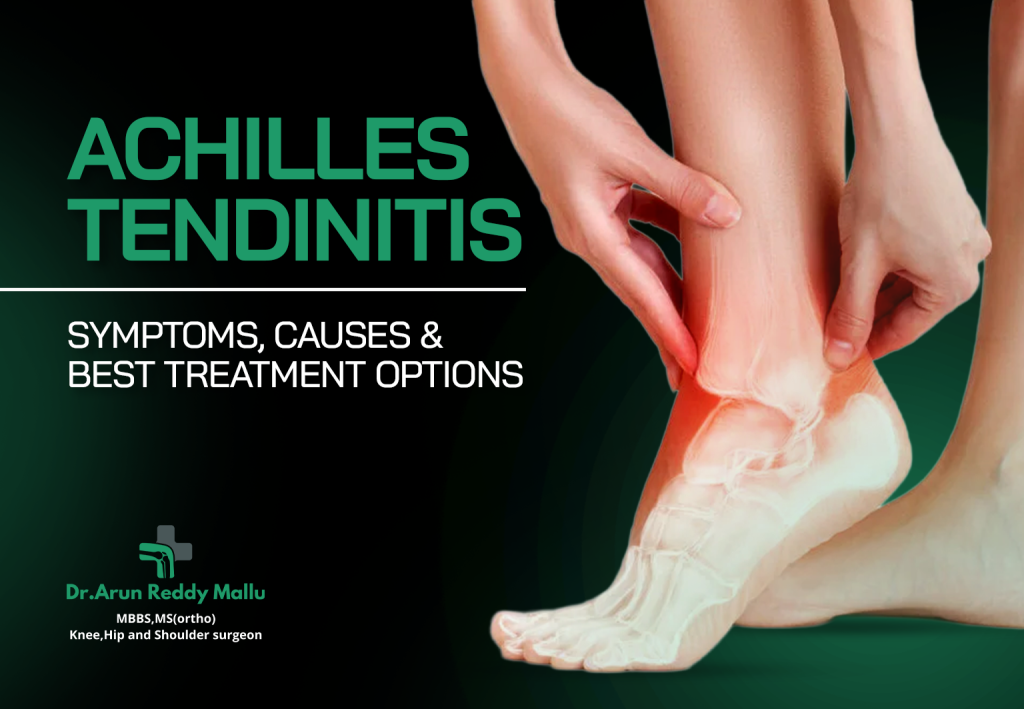
Achilles Tendinitis: Symptoms, Causes & Best Treatment Options
The human body is a complex system of tissues, muscles, and tendons working in harmony to help us perform daily movements. Among these components, the Achilles tendon is one of the most critical — and yet, one of the most commonly injured. If you’ve ever experienced pain or stiffness in the back of your heel after exercise, you might be familiar with Achilles tendinitis.
Achilles tendinitis is a condition characterized by inflammation of the Achilles tendon — the band of tissue that connects your calf muscles to your heel bone. This condition can affect both athletes and non-athletes alike and can range from mild irritation to debilitating pain that hinders mobility.
In this article, we’ll explore the symptoms, causes, and most effective treatment options for Achilles tendinitis, enabling you to better understand and manage this widespread condition.
What Is the Achilles Tendon?
The Achilles tendon is the largest and strongest tendon in the human body. It plays an essential role in walking, running, jumping, and standing on tiptoe. When you push off the ground during movement, the Achilles tendon transmits force from your calf muscles to your heel, enabling you to propel yourself forward.
Despite its strength, the Achilles tendon has a relatively limited blood supply, which makes it susceptible to irritation, strain, and inflammation, particularly when it is overused or stressed.
Symptoms of Achilles Tendinitis
Achilles tendinitis usually develops gradually rather than suddenly. Symptoms vary in severity and often worsen with continued activity. Common signs include:
- Pain and Stiffness
- Pain at the back of the heel or along the tendon, especially in the morning.
- Stiffness that eases as you warm up but worsens again after activity.
- Swelling
- Mild to moderate swelling around the Achilles tendon.
- Tenderness when touched.
- Limited Range of Motion
- Difficulty flexing the foot.
- Trouble walking uphill or climbing stairs.
- Thickening of the Tendon
- In some cases, the tendon may appear thicker due to chronic irritation and inflammation.
- Crepitus
- A crackling or crackling sensation may be felt around the tendon during movement.
If left untreated, Achilles tendinitis can worsen and lead to more serious complications like tendon rupture, making early detection and treatment critical.
Causes and Risk Factors
Achilles tendinitis typically arises due to excessive strain on the tendon. The causes can be multifactorial, often involving repetitive stress and biomechanical issues.
- Overuse
This is the most common cause:
- Increasing training intensity or duration too quickly.
- Running or jumping sports that put repetitive stress on the calf muscles.
- Lack of Proper Warm-Up
Not adequately stretching or warming up before exercise can increase the risk of tendon stress and microscopic tears.
- Tight or Weak Muscles
Tight calf muscles or weak supporting muscles can increase the load on the Achilles tendon during activity.
- Improper Footwear
Poorly fitting shoes or shoes with inadequate support can alter foot mechanics and increase strain on the tendon.
- Biomechanical Issues
Flat feet, high arches, or abnormal walking patterns can place additional stress on the tendon.
- Age and Activity Level
Achilles tendinitis is particularly common in:
- Middle-aged recreational athletes.
- Individuals who exercise only intermittently.
- Sudden Changes in Activity
Jumping into intensive exercise after a long period of inactivity.
Understanding these causes can help you take preventive measures and make lifestyle adjustments to protect your tendon health.
How Is Achilles Tendinitis Diagnosed?
Diagnosis typically involves a combination of:
- Clinical Evaluation
A healthcare provider will assess:
- Pain location
- Tenderness
- Swelling
- Range of motion
- Gait mechanics
- Physical Tests
Specific movements and resistance tests can help identify tendon involvement.
- Imaging Studies
- Ultrasound:To assess inflammation and tendon structure.
- MRI:Used in more complex or persistent cases to rule out tears or degeneration.
An accurate diagnosis ensures that you receive the most appropriate treatment and avoid worsening the condition.
Best Treatment Options
Achilles tendinitis can usually be managed effectively with the right treatment approach, depending on the severity of symptoms.
- Rest and Activity Modification
Reducing or temporarily stopping activities that trigger pain is one of the most effective initial treatments. Avoid high-impact sports and replace them with low-impact activities like swimming or cycling.
- Ice Therapy
Applying ice to the affected area for 15–20 minutes several times a day helps reduce pain and inflammation.
- Non-Steroidal Anti-Inflammatory Drugs (NSAIDs)
Pain relievers like ibuprofen or naproxen may be recommended to reduce pain and swelling. Always consult a healthcare provider before use.
- Stretching and Strengthening
Calf stretches and eccentric strengthening exercises are often prescribed because they:
- Improve flexibility
- Increase tendon resilience
- Promote healing
Examples include:
- Wall calf stretches
- Heel drops on a step
- Resistance band exercises
- Physical Therapy
A physical therapist can tailor a program combining:
- Strengthening
- Flexibility
- Balance exercises
- Gait correction
This approach improves mechanics and reduces tendon strain.
- Orthotic Support
Custom or over-the-counter arch supports and heel lifts can help correct biomechanical issues and decrease tendon stress.
- Shockwave Therapy
In chronic and persistent cases, extracorporeal shockwave therapy (ESWT) may be used to stimulate healing in the tendon.
- Platelet-Rich Plasma (PRP) Injections
PRP injections involve using concentrated platelets from your own blood to promote tendon healing. This option is typically reserved for chronic or refractory cases.
- Surgery
Surgery is rarely required but may be considered if:
- Conservative treatments fail after 6–12 months
- There is a partial tear
- There’s significant degeneration (tendinosis)
Surgical options may include tendon debridement, repair, or removal of scar tissue to restore healthy tendon function.
Rehabilitation and Recovery Time
Recovery from Achilles tendinitis varies based on severity and how early treatment begins. Mild cases may improve within a few weeks with conservative care, while more chronic cases may require several months of therapy.
General recovery principles include:
- Gradual return to activity
- Ongoing stretching and strengthening
- Avoiding sudden increases in exercise intensity
Patience and a structured rehabilitation plan significantly improve long-term outcomes.
Prevention Tips
Preventing Achilles tendinitis is possible with simple adjustments:
- Warm Up Properly
Always stretch and warm up before exercising.
- Increase Activity Gradually
Follow the 10% rule — avoid increasing training volume by more than 10% per week.
- Strength and Flexibility Work
Maintain strong calf and lower-leg muscles with regular exercises.
- Wear Supportive Footwear
Choose shoes designed for your activity and foot type.
- Cross-Train
Alternate high-impact workouts with low-impact activities to reduce repetitive stress.
When to See a Doctor
Seek medical attention if:
- Pain persists despite rest and home care
- You experience significant swelling or difficulty walking
- You hear a sudden pop near the heel — which could indicate a tendon rupture
Early professional evaluation ensures accurate diagnosis and appropriate care.
Conclusion
Achilles tendinitis is a common yet manageable condition that affects individuals of all activity levels. By recognizing the symptoms early, understanding the underlying causes, and following a structured treatment plan — including rest, therapy, and targeted exercises — most people can continue to enjoy an active lifestyle with minimal long-term effects.
However, every case is unique, and proper evaluation by a specialist is key to optimal recovery. If you’re struggling with persistent heel or tendon pain, consider consulting an expert such as Dr. Arun Reddy Mallu, an orthopaedic specialist at Continental Hospital, who can provide advanced diagnosis and personalized treatment options to help you return to pain-free movement.
For quick relief from Achilles tendinitis, consult Dr. Arun Reddy Mallu at Continental Hospitals – Call +91 9959135963 today.