
How to Manage Pain After Knee Replacement Surgery
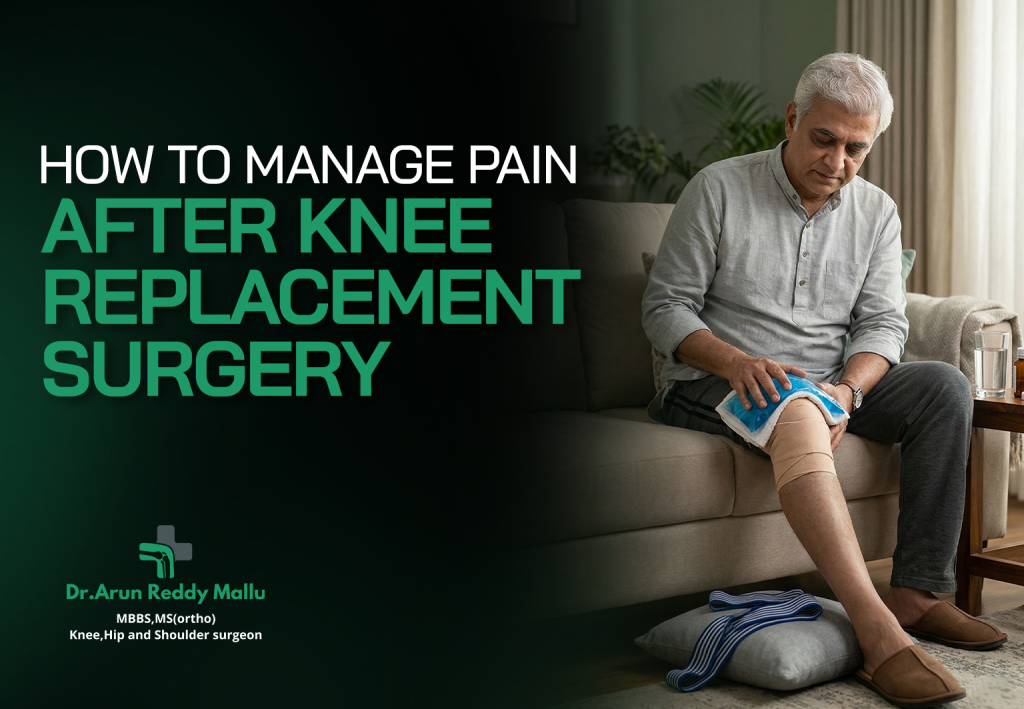
Knee replacement surgery, also known as total knee arthroplasty, is a highly effective procedure for relieving chronic knee pain and restoring mobility. However, managing postoperative discomfort is a crucial part of recovery. Many patients experience swelling, stiffness, and varying levels of pain during the healing phase. Understanding how to manage this pain effectively can speed up recovery and improve overall outcomes. If you are looking for expert care for Pain After Knee Replacement Surgery in Hyderabad, consulting an experienced orthopedic specialist Dr. Arun Reddy Mallu at Continental Hospitals can ensure proper guidance and a smoother recovery journey. Understanding Pain After Knee Replacement Surgery Pain after knee replacement surgery is a normal part of the healing process. It usually peaks in the first few days after surgery and gradually decreases over weeks. Patients may experience: Swelling around the knee Bruising and tenderness Stiffness and limited movement Mild to moderate discomfort during activity These symptoms occur because the body is healing from surgical trauma. Pain and swelling may last for several weeks, while mild swelling can persist for a few months. Why Pain Management Is Important Proper pain management is essential not just for comfort but also for recovery. Poorly managed pain can: Delay physical therapy progress Reduce mobility Affect sleep and mental health Increase the risk of complications Effective pain control helps patients stay active, follow rehabilitation programs, and regain knee function faster. Effective Ways to Manage Pain After Knee Replacement Surgery Take Prescribed Medications Doctors usually prescribe pain relief medications after surgery. These may include: Opioids (short-term use) for severe pain NSAIDs like ibuprofen for inflammation Acetaminophen for mild to moderate pain It is important to follow your doctor’s instructions carefully to avoid side effects or dependency. Pain medications are typically reduced gradually as recovery progresses. Use Ice Therapy Cold therapy is one of the most effective ways to reduce pain and swelling. Apply ice packs for 15–20 minutes at a time Use 3–4 times daily during early recovery Always place a cloth between ice and skin Ice helps numb the area and reduce inflammation, providing immediate relief. Elevate Your Leg Keeping your leg elevated helps reduce swelling and discomfort. Elevate the leg above heart level Use pillows for support Practice this several times a day This improves blood circulation and minimizes fluid buildup in the knee joint. Follow Physical Therapy Physical therapy is a cornerstone of recovery after knee replacement surgery. Helps restore movement and flexibility Strengthens surrounding muscles Improves blood flow and reduces stiffness Exercises prescribed by your physiotherapist are designed to gradually improve knee function. Skipping therapy can lead to prolonged pain and stiffness. Stay Active (But Don’t Overdo It) Gentle movement is essential for recovery. Start walking with support within a few days Perform light exercises regularly Avoid high-impact activities like jumping or twisting Movement helps prevent stiffness and improves circulation, but overexertion can worsen pain. Wear Compression Stockings Compression stockings are often recommended after surgery. Reduce swelling Prevent blood clots Improve circulation They are usually worn for a few weeks after surgery as part of post-operative care. Practice Proper Rest and Sleep Rest is equally important as activity. Balance exercise with adequate rest Maintain a comfortable sleeping position Use pillows for knee support Relaxation techniques like deep breathing can also help reduce pain perception and stress. Maintain a Healthy Diet Nutrition plays a key role in healing. Eat protein-rich foods for tissue repair Include anti-inflammatory foods like fruits and vegetables Stay hydrated A healthy diet speeds up recovery and helps reduce inflammation. Manage Swelling Effectively Swelling is one of the main causes of pain after surgery. To control swelling: Apply ice regularly Elevate the leg Perform prescribed exercises Avoid standing for long periods Swelling usually reduces significantly within a few weeks but may take months to completely subside. Use Assistive Devices Using support devices can prevent strain on the knee. Walkers or crutches Knee braces (if recommended) Supportive footwear These tools help maintain balance and reduce pressure on the healing joint. Tips for Faster Recovery To recover quickly and reduce pain: Follow your doctor’s advice strictly Attend all follow-up appointments Keep the surgical wound clean and dry Avoid sudden movements Stay consistent with physiotherapy Recovery timelines vary, but most patients notice significant improvement within 6–12 weeks. When to See a Doctor While some pain is normal, you should consult your doctor if you experience: Severe or increasing pain Excessive swelling or redness Fever or signs of infection Difficulty moving the knee Sudden calf pain (possible blood clot) Early medical intervention can prevent serious complications. Expert Care in Hyderabad If you are experiencing Pain After Knee Replacement Surgery in Hyderabad, getting expert guidance is essential. Dr. Arun Reddy Mallu at Continental Hospitals specializes in advanced orthopedic care and post-surgical rehabilitation. With personalized treatment plans, modern techniques, and patient-focused care, patients can recover faster and regain mobility with minimal discomfort. Conclusion Managing pain after knee replacement surgery is a vital part of the healing process. While discomfort is expected, it can be effectively controlled with the right combination of medication, physical therapy, lifestyle adjustments, and proper care. Simple steps like icing, elevating the leg, staying active, and following medical advice can make a significant difference in recovery. Patience and consistency are key—healing takes time, but the results are worth it. Manage pain effectively after knee replacement with expert care from Dr. Arun Reddy Mallu at Continental Hospitals—call +91 9959135963 today.
Importance of Early Diagnosis for Bone and Joint Conditions

Importance of Early Diagnosis for Bone and Joint Conditions Bone and joint conditions encompass a wide range of disorders affecting the musculoskeletal system — including bones, joints, cartilage, muscles, tendons, ligaments, and connective tissues. These conditions range from age-related degenerative changes like osteoarthritis to autoimmune diseases such as rheumatoid arthritis, metabolic bone diseases like osteoporosis, traumatic injuries, congenital deformities, and infections. Regardless of the cause, the impact of bone and joint problems is immense. They are leading contributors to chronic pain, physical disability, reduced quality of life, and loss of productivity worldwide. One common thread in effectively managing these conditions is early diagnosis. Identifying problems at an early stage can dramatically alter the course of a disease, reduce complications, and improve long term outcomes. Understanding Bone and Joint Conditions To appreciate the value of early diagnosis, it is essential to understand how bone and joint conditions develop and progress. Degenerative Disorders Degenerative disorders like osteoarthritis are among the most common musculoskeletal conditions. They involve the gradual breakdown of cartilage — the smooth tissue that cushions joints — often leading to pain, stiffness, swelling, and limited movement. The process usually begins subtly and worsens over time. Inflammatory Conditions Autoimmune diseases such as rheumatoid arthritis cause the body’s immune system to mistakenly attack its own joint tissues. Inflammatory responses can cause significant joint damage if untreated, affecting mobility and overall function. Traumatic Injuries Accidents and sports injuries can result in fractures, ligament tears, and joint dislocations. Immediate and accurate diagnosis ensures appropriate treatment and prevents chronic instability or long term disability. Metabolic Bone Diseases Conditions such as osteoporosis silently weaken bones over time. Without early detection, bones become fragile and susceptible to fractures even with minimal trauma. Infections and Tumors Infections like osteomyelitis or bone tumors may not show clear symptoms early on but can cause devastating complications if not diagnosed promptly. Why Early Diagnosis Matters Prevents Irreversible Joint Damage Many bone and joint conditions, particularly degenerative and inflammatory diseases, can cause permanent structural changes if they progress unchecked. Early diagnosis allows interventions — such as medications, lifestyle changes, or surgeries — to slow or stop disease progression before irreversible damage occurs. For example, early stages of rheumatoid arthritis may respond well to disease modifying antirheumatic drugs (DMARDs), which can prevent joint erosion and preserve function. Reduces Chronic Pain Pain is one of the first symptoms patients notice. When conditions are diagnosed early, pain can be managed more effectively through therapies that address the underlying causes, not just the symptoms. Poorly managed chronic pain often leads to compensatory habits — such as altered gait or posture — which can further strain muscles and joints. Enhances Treatment Effectiveness Interventions are generally more effective when conditions are addressed early. Many medications and therapies show diminished returns when the disease has progressed to an advanced stage. For instance, early physical therapy after a knee injury can restore strength and stability, whereas delays might require complex surgery and prolonged rehabilitation. Improves Mobility and Function Early identification of joint problems allows for timely therapeutic exercises, braces, orthotics, and other supportive measures that maintain or enhance mobility. Preserving joint function helps individuals stay active, retain independence, and maintain quality of life. Reduces Healthcare Costs Chronic and advanced bone and joint diseases often require more extensive treatments — including surgeries, long rehabilitation, and hospital stays — leading to increased healthcare costs. Early diagnosis can limit the need for invasive procedures and long term care, reducing the financial burden on patients and healthcare systems. Improves Overall Health The musculoskeletal system influences balance, mobility, and metabolic health. Early treatment of joint conditions can promote physical activity, which supports cardiovascular health, mental well being, weight management, and overall life satisfaction. How Early Diagnosis Is Achieved Modern medicine offers several tools and strategies to detect bone and joint conditions early: Clinical Evaluation A thorough medical history and physical exam are the first steps in diagnosis. Symptoms such as joint pain, swelling, stiffness, reduced range of motion, or limping provide invaluable clues. Early reporting of symptoms by patients significantly aids this process. Imaging Techniques Imaging plays a pivotal role in detecting structural abnormalities: X raysreveal bone fractures, joint space narrowing, and significant degenerative changes. MRI (Magnetic Resonance Imaging)visualizes soft tissues — including cartilage, ligaments, tendons, and early inflammatory changes. Ultrasoundhelps detect joint effusions, cysts, and synovial inflammation. DEXA scansassess bone mineral density to diagnose conditions like osteoporosis at an asymptomatic stage. Laboratory Tests Blood tests can support the diagnosis of inflammatory or autoimmune conditions. Markers such as rheumatoid factor (RF), anti CCP antibodies, ESR (erythrocyte sedimentation rate), and CRP (C reactive protein) help detect inflammation early. Early Screening Programs For individuals at risk — such as older adults, postmenopausal women, or people with a family history of bone disease — regular screening facilitates early detection of conditions like osteoporosis before fractures occur. Barriers to Early Diagnosis Despite the clear benefits, several challenges exist: Lack of Awareness Many individuals dismiss early symptoms like mild joint pain or stiffness as “normal aging,” delaying medical consultation and missing the opportunity for early diagnosis. Limited Access to Healthcare In underserved regions, lack of access to specialists, diagnostic tools, and routine screenings hampers early detection. Misdiagnosis Bone and joint conditions often present with overlapping symptoms, making accurate diagnosis challenging. Without experienced clinicians and appropriate tools, misdiagnoses are common. Economic Constraints Diagnostic tests and specialist consultations may not be affordable for many, delaying the diagnosis until the disease becomes advanced. Strategies to Promote Early Diagnosis Improving early diagnosis requires a multipronged approach: Public Education Public awareness campaigns can educate individuals about early symptoms that warrant medical evaluation — such as persistent joint pain, swelling, morning stiffness, or difficulty performing daily activities. Encouraging Routine Screening Especially for high risk populations, routine bone density tests and regular musculoskeletal check ups should be advocated. Training Healthcare Providers Primary care physicians and allied health professionals need training to recognize early signs and refer patients for timely imaging and specialist consultation. Use of Telemedicine Teleconsultations can expand access to specialists in
Early vs. Delayed Knee Replacement: Which One Is Right for You?
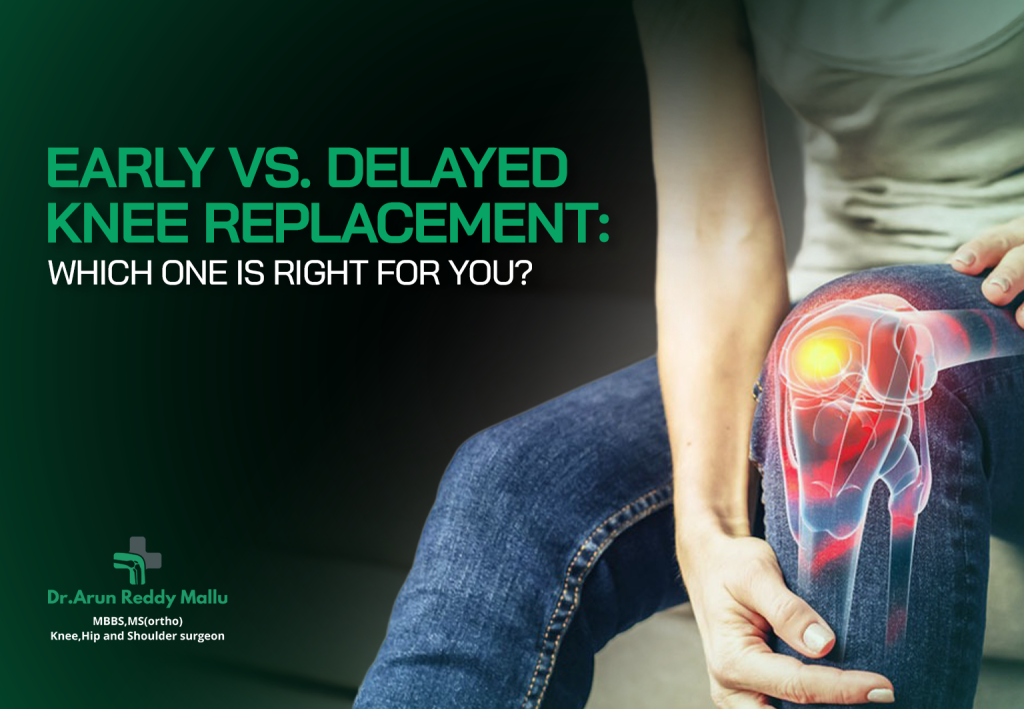
Early vs. Delayed Knee Replacement: Which One Is Right for You? Knee pain can slowly take over your life—making it difficult to walk, climb stairs, or enjoy activities you once loved. When conservative treatments like medications, physiotherapy, injections, or lifestyle changes stop helping, doctors often recommend knee replacement surgery. But the big question most patients ask is: Should I get knee replacement surgery early, or wait until the pain becomes unbearable? Choosing between early and delayed knee replacement is a critical decision that affects your long-term mobility, comfort, and overall health. In this detailed guide, we break down both options so you can make an informed choice. We also discuss how expert surgeons like Dr. Arun Reddy Mallu at Continental Hospitals guide patients toward the safest and most effective treatment plan based on their condition. Understanding Knee Replacement Surgery Knee replacement, or knee arthroplasty, is a procedure where a damaged knee joint is replaced with an artificial implant. It is performed when the knee joint becomes severely worn out due to conditions like osteoarthritis, rheumatoid arthritis, old injuries, or degenerative changes. The goal of the surgery is to: Reduce chronic pain Improve mobility Restore quality of life Support long-term joint function Advancements such as robotic knee replacement have made the procedure more accurate, safer, and more predictable, offering faster recovery and fewer complications. What Is Early Knee Replacement? Early knee replacement refers to undergoing the surgery before the joint damage becomes extreme. Patients who choose this option typically have: Moderate pain affecting daily life Early to moderate joint degeneration Limited benefit from non-surgical treatments Difficulty performing long-distance walking or exercise Benefits of Early Knee Replacement Faster Recovery and Less Joint Damage When surgery is performed earlier, surrounding tissues are healthier and inflammation is lower, making recovery smoother and faster. Better Long-Term Outcomes Early surgery helps preserve your natural joint alignment and prevents further deterioration of cartilage, ligaments, and bone. Improved Quality of Life You can return to normal activities much sooner—like walking, traveling, exercising, or playing with your children or grandchildren. Reduced Use of Pain Medicines Delaying surgery sometimes forces patients to rely heavily on painkillers or steroid injections. Early intervention helps avoid long-term medication dependency. What Is Delayed Knee Replacement? Delayed or late knee replacement involves waiting until the pain becomes severe or until the joint damage reaches an advanced stage. Some choose delay because: They fear surgery They believe medications or physiotherapy may still work They want to postpone recovery time They are concerned about cost They are young and want to avoid implant wear-out Benefits of Delaying Knee Replacement More Time to Try Non-Surgical Treatments Physiotherapy, braces, weight loss, hyaluronic injections, and PRP therapy can sometimes manage symptoms for months or even years. Avoiding Early Implant Wear Artificial knee implants last around 15–20 years on average. Younger patients may choose to delay to avoid needing a revision surgery later. Emotional Comfort Some patients prefer postponing surgery until they feel mentally ready. Risks of Delayed Knee Replacement While delaying has a few advantages, it also comes with serious drawbacks: Increased Pain and Disability As arthritis worsens, mobility decreases, leading to more stiffness, swelling, and difficulty walking. Poorer Surgical Outcomes Patients who wait too long may have weaker muscles, severe bone deformities, or ligament damage, which can complicate surgery. Slower Postoperative Rehabilitation The weaker your knee is before surgery, the harder it becomes to regain strength afterward. Higher Risk of Falling Reduced mobility increases the chances of falls, fractures, and injury. Mental Health Impact Chronic pain often leads to frustration, depression, and social withdrawal. Who Should Consider Early Knee Replacement? Early replacement is the right choice if: Your pain impacts daily routines You can’t walk or stand for long Physiotherapy and medicines no longer help Your sleep is affected due to joint pain You want to maintain an active lifestyle Athletes, working professionals, and people who travel frequently often benefit the most from early intervention. Who Should Wait or Delay Knee Replacement? Delaying may be suitable for: Patients with mild symptoms Younger individuals concerned about implant life Those responding well to conservative treatments People with medical conditions requiring stabilization before surgery However, even while delaying, regular follow-ups with an orthopedic surgeon are essential to monitor joint progression. How Dr. Arun Reddy Mallu Helps You Decide Choosing early vs delayed surgery isn’t a one-size-fits-all decision. Dr. Arun Reddy Mallu, one of the leading orthopedic and joint replacement surgeons at Continental Hospitals, uses a personalized evaluation approach that includes: Detailed physical examination X-rays and imaging analysis Assessment of joint alignment Evaluation of ligament and cartilage condition Review of your lifestyle, goals, and medical history His expertise in robotic knee replacement ensures highly precise implant placement, reduced pain, and faster recovery—benefits especially useful for patients opting for early surgery. What Happens if You Wait Too Long? Patients who delay often reach a point where: Knee deformity increases (bow legs or knock knees) Walking becomes extremely painful They lose strength in thigh muscles Daily tasks like shopping or climbing stairs feel impossible At this point, the surgery becomes more complex, and the chances of a perfect outcome decrease. Early surgery often prevents this downward spiral. The Role of Technology in Choosing the Right Time Modern tools like robotic navigation, digital scanning, and 3D knee joint mapping have made knee replacement safer and more predictable than ever. These advancements: Improve accuracy Reduce tissue damage Speed up recovery Ensure long-term implant stability If you are hesitant about early surgery, discussing these advancements with your doctor can ease your concerns. How to Know If It’s Time: Key Signs to Watch For Here are some signs you should NOT ignore: Persistent pain for more than six monthsDifficulty standing or walking for longKnee locking or instabilityMinimal relief from physiotherapyStiffness that worsens in the morningFrequent swellingPain while climbing stairsReduced participation in social or work activities If you notice these signs, consult an orthopedic specialist for a proper assessment. Conclusion Early vs delayed knee replacement
Warning Signs of Infection After Knee Replacement Surgery
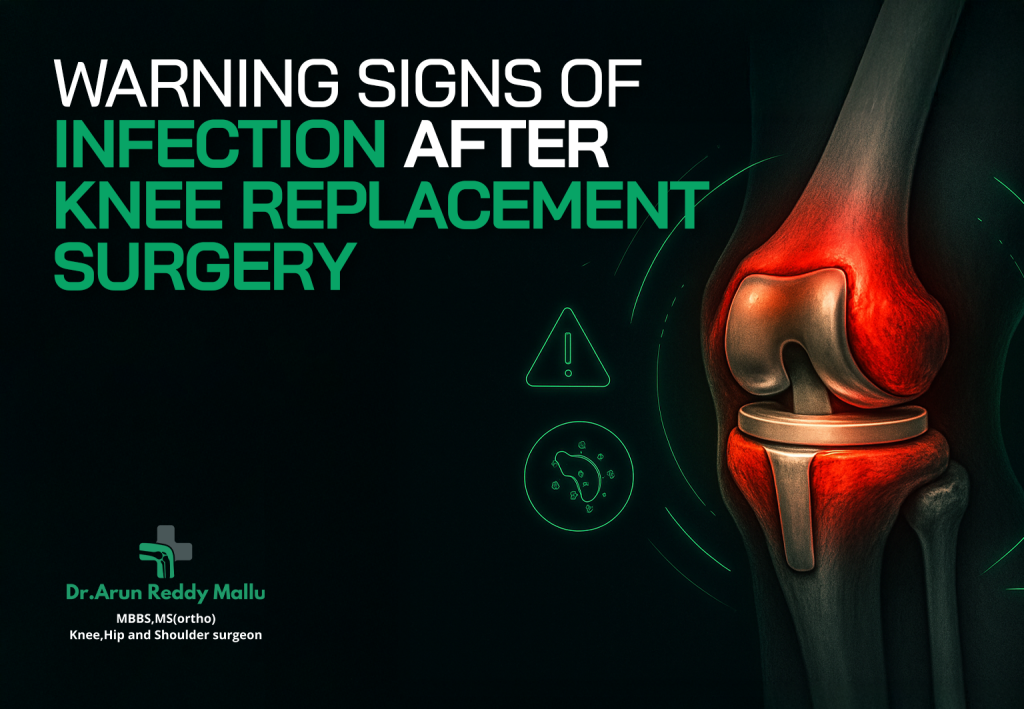
Warning Signs of Infection After Knee Replacement Surgery Knee replacement surgery, also known as knee arthroplasty, is one of the most commonly performed orthopedic surgeries today, offering relief to millions suffering from arthritis, chronic pain, or knee injuries. While the procedure itself has a high success rate, one of the major concerns after knee replacement surgery is the risk of infection. Infection can complicate recovery and may lead to serious health issues if not detected and treated early. In this blog post, we will discuss the warning signs of infection after knee replacement surgery, the factors that increase the risk of infection, and the necessary steps to take if you suspect an infection. We’ll also highlight the expertise of Dr. Arun Reddy Mallu at Continental Hospital, a renowned orthopedic specialist, who can help you navigate post-surgery recovery safely and effectively. Why Is Infection a Concern After Knee Replacement Surgery? Infections following knee replacement surgeries can range from mild to severe and can occur at different stages of the healing process. An infection might affect the incision site (superficial infection) or, in more serious cases, the artificial joint (deep infection), which can be difficult to treat and might require additional surgery. The risk of infection is always present after surgery, but understanding the early warning signs can significantly improve your chances of successful treatment. The body typically fights infections with its immune system, but surgical interventions—like knee replacements—can introduce bacteria into the body. This can happen if proper sterile techniques aren’t followed during surgery, if the incision site is exposed to germs during the recovery period, or if the patient’s immune system is compromised in any way. Early Warning Signs of Infection After Knee Replacement Surgery Redness and Swelling Around the Surgical Site After knee replacement surgery, some swelling is expected as part of the normal healing process. However, if the swelling worsens or the skin around the incision turns red or hot to the touch, it could indicate an infection. This is often a sign that the body is trying to fight an infection and that the area is inflamed. You should contact your healthcare provider immediately if you notice these symptoms. Fever or Chills A low-grade fever (below 101°F) is not uncommon following surgery, as it’s part of the body’s natural healing response. However, a high fever (above 101°F), or fever that persists for more than a few days, could be a sign of a systemic infection. Chills often accompany fever, and together they may indicate that an infection is present in the body. Increased Pain or Tenderness While some discomfort is expected after knee replacement surgery, a sudden increase in pain or unusual tenderness around the incision site can be a warning sign. If the pain becomes more severe and is not alleviated by prescribed pain medications, or if it’s associated with any other symptoms like fever or redness, it could suggest an infection. Pus or Drainage from the Incision Any discharge from the surgical site that is green, yellow, or has a foul odor is a clear sign of infection. Pus is produced by the body when it tries to fight an infection, and it often indicates the presence of bacteria. If you notice any drainage or secretion from your incision, it’s essential to seek medical attention promptly to prevent the infection from spreading. Limited Range of Motion After knee replacement surgery, patients are encouraged to begin physical therapy to restore mobility. However, if you experience a sudden loss of range of motion or an inability to move the knee joint, especially along with other symptoms like fever or swelling, it could indicate an infection. The infection can cause stiffness and limit the joint’s ability to function properly. Unusual Odor An unpleasant smell emanating from the surgical site is another potential warning sign of infection. When bacteria invade the surgical area, they can cause an infection that leads to an unpleasant odor as the body fights the infection. Fatigue or Malaise Post-surgery fatigue is normal, but if you feel excessively tired or unwell—especially if you’re also experiencing fever, redness, or swelling—it could be a sign that your body is fighting an infection. Malaise, a general feeling of being unwell, can often accompany an infection, so it’s important to monitor how you feel in the days following surgery. Worsening of Pre-existing Symptoms In some cases, infection after knee replacement can worsen the symptoms that prompted the surgery in the first place. If your pain, discomfort, or inability to use your knee increases or if new symptoms arise, it’s crucial to reach out to your healthcare provider. Factors That Increase the Risk of Infection While infection can happen to anyone after knee replacement surgery, several factors can increase the risk. Some of these factors include: Pre-existing Medical Conditions: Conditions like diabetes, uncontrolled diabetes, rheumatoid arthritis, or immunocompromised states (due to medications or treatments) can make it more difficult for the body to fight off infection. Obesity: Excess weight puts additional strain on the knee and can also make healing more challenging, increasing the risk of infection. Chronic Smoking:Smoking impairs blood circulation, delays wound healing, and weakens the immune system, making smokers more susceptible to infections after surgery. Poor Hygiene or Incision Care: If the surgical site isn’t properly cleaned or protected, bacteria can easily enter the incision, leading to infection. Previous Joint Infections: If you’ve had a prior infection in the joint, you may be at a higher risk for future infections after knee replacement surgery. Inadequate Post-Surgery Care: Failing to follow the post-surgery instructions carefully, such as taking prescribed antibiotics or avoiding activities that might stress the knee, can increase the likelihood of complications. What to Do If You Suspect an Infection If you suspect that you may have an infection after knee replacement surgery, it’s important to take immediate action. Here are the steps you should follow: Contact Your Surgeon: Reach out to your orthopedic surgeon or healthcare provider as soon as possible. If you’re under the care of Arun
Partial Knee Replacement Options: Fixed vs. Mobile Bearing Explained
Partial Knee Replacement Options: Fixed vs. Mobile Bearing Explained When knee pain from arthritis or injury begins to interfere with daily life, many people assume a total knee replacement is the only solution. However, not every patient requires complete replacement of the knee joint. For those with damage limited to a single compartment of the knee, Partial Knee Replacement (PKR) can be a highly effective treatment option. Within partial knee replacement, two major implant designs are widely used: Fixed Bearing and Mobile Bearing implants. Both options have distinct features, benefits, and limitations. Choosing between them depends on factors such as age, activity level, bone structure, and the extent of knee damage. What is Partial Knee Replacement? The knee joint has three compartments: Medial (inner side of the knee) Lateral (outer side of the knee) Patellofemoral (between the kneecap and thigh bone) When arthritis or cartilage damage affects only one compartment, surgeons may recommend partial knee replacement instead of a total knee replacement. In this surgery: Only the damaged portion of the knee is replaced with an artificial implant. Healthy bone, cartilage, and ligaments in the other compartments are preserved. Patients typically recover faster with less pain and improved joint function. This procedure allows for a more natural feel in the knee compared to total knee replacement, as much of the original joint structure remains intact. Fixed Bearing vs. Mobile Bearing: An Overview The main difference between fixed bearing and mobile bearing partial knee replacement lies in how the artificial components interact and move. Fixed Bearing Implant In a fixed bearing design, the plastic insert (polyethylene) is attached firmly to the metal tibial (shin bone) component. The femoral (thigh bone) component glides directly over this fixed insert. Movement occurs between the femoral component and the polyethylene, not within the insert itself. Advantages: Simpler design with a proven track record. Lower risk of dislocation since the insert doesn’t move. Generally less expensive compared to mobile bearing implants. Suitable for older or less active patients who don’t place high demands on the joint. Limitations: Higher risk of wear and tear in the polyethylene insert, especially in younger and more active patients. May place more stress on surrounding bone and tissue, leading to loosening over time. Mobile Bearing Implant In this design, the polyethylene insert is not fixed but can rotate or move slightly on the tibial baseplate. The femoral component glides over this mobile insert, allowing more natural joint movement. Advantages: Mimics the natural rolling and gliding motion of the knee more closely. Distributes stress more evenly, reducing wear on the polyethylene. Longer-lasting in younger, active patients compared to fixed bearing. Provides better range of motion and potentially a more natural-feeling knee. Limitations: Slightly more complex surgical technique required. Risk of dislocation of the insert if not placed precisely. Typically more expensive than fixed bearing options. Who is the Right Candidate? Choosing between fixed and mobile bearing implants depends on several factors: Age and Activity Level Fixed bearing: Best suited for patients over 65 or those with lower activity levels. Mobile bearing: Ideal for younger, more active patients who want better motion and longevity. Bone Quality Mobile bearing implants require strong, stable bone support. Fixed bearing implants can tolerate slightly weaker bone. Weight Considerations Heavier patients may benefit from mobile bearing implants due to their ability to reduce wear. However, implant dislocation risk must be carefully considered. Surgeon’s Expertise Since mobile bearing implants require precise alignment, outcomes often depend on the surgeon’s skill and experience. Advantages of Partial Knee Replacement Over Total Replacement Regardless of implant type, partial knee replacement has several benefits compared to total knee replacement: Less invasive: Smaller incisions and less tissue disruption. Faster recovery: Many patients resume normal activities within weeks. Natural knee function: Preserves ligaments and unaffected compartments. Reduced pain and stiffness: Most patients report significant improvement. Longevity: Modern implants last 10–20 years, depending on patient lifestyle. Risks and Considerations Like any surgery, partial knee replacement carries some risks, such as: Infection Blood clots Implant loosening or wear Continued progression of arthritis in other compartments Patients should carefully discuss risks, benefits, and implant options with their orthopedic surgeon before making a decision. Conclusion Both Fixed Bearing and Mobile Bearing implants in partial knee replacement offer excellent results, but the right choice depends on your age, activity level, bone health, and the surgeon’s recommendation. If you’re older, less active, or prefer a simpler, cost-effective solution, Fixed Bearingimplants may be ideal. If you’re younger, more active, and want a natural-feeling knee with long-term durability, Mobile Bearingimplants could be the better option. Discover Partial Knee Replacement options with Dr. Arun Reddy Mallu at Continental Hospital — call +91 99591 35963 for expert consultation.
Partial Knee Replacement: Pros, Cons & How to Know If It’s Right for You
Partial Knee Replacement: Pros, Cons & How to Know If It’s Right for You Knee pain can be more than just an inconvenience—it can affect your mobility, independence, and overall quality of life. For many people partial knee replacement (PKR), also known as unicompartmental knee arthroplasty, offers a less invasive alternative to total knee replacement. But how do you know if it’s right for you? Let’s break it down. What Is a Partial Knee Replacement? A partial knee replacement involves replacing only the damaged compartment of the knee, rather than resurfacing the entire joint as in a total knee replacement. The knee has three compartments: Medial(inside) Lateral(outside) Patellofemoral(front, under the kneecap) If arthritis or damage is limited to just one of these areas, PKR can preserve more of your natural bone and ligaments, often resulting in faster recovery and a more natural feel after surgery. Who Is a Candidate? You might be a good candidate for partial knee replacement if: Arthritis is confined to one compartment of your knee. Your ligaments (especially the anterior cruciate ligament, or ACL) are intact. You have a stable knee and good range of motion. You have not experienced severe deformity or advanced inflammatory arthritis. Common causes leading to PKR include osteoarthritis, post-traumatic arthritis, and, less commonly, avascular necrosis. An orthopedic evaluation, physical examination, and imaging tests (X-rays, MRI) will help determine if you qualify. Dr. Arun Reddy Mallu, a leading orthopedic surgeon, often emphasizes the importance of accurate diagnosis before recommending PKR over total knee replacement. The Procedure: Step-by-Step Anesthesia– Most surgeries use spinal or general anesthesia. Small incision– The surgeon makes a smaller incision than in total knee replacement. Removal of damaged tissue– Only the affected cartilage and bone are removed. Implant placement– A prosthetic component made of metal and plastic is inserted to replace the damaged part. Closure and recovery– The incision is closed, and recovery begins almost immediately with guided physiotherapy. The procedure usually takes 1–2 hours and may be performed as an inpatient or outpatient surgery. Pros of Partial Knee Replacement Less Invasive Because PKR involves a smaller incision and less tissue disruption, patients often experience less postoperative pain and swelling. Faster Recovery Many patients walk with assistance the same day or the day after surgery. Recovery timelines can be shorter compared to total knee replacement. More Natural Knee Function PKR preserves ligaments like the ACL, which helps maintain natural knee movement and proprioception (your ability to sense joint position). Less Blood Loss Smaller surgical exposure means reduced risk of needing a blood transfusion. Better Range of Motion Since more of the native knee structure remains intact, patients often regain a better range of motion. Cons of Partial Knee Replacement Limited Candidacy Not everyone qualifies. If arthritis affects multiple compartments, PKR may not provide adequate relief. Risk of Needing Further Surgery If arthritis develops in the remaining compartments, you may need a revision surgery to convert PKR to total knee replacement. Durability Concerns While many implants last 10–15 years or more, they may wear out sooner in younger, more active patients. Technical Demands The surgery is more technique-sensitive, requiring high surgical precision to ensure proper alignment and balance. Potential Complications These include infection, blood clots, stiffness, implant loosening, or persistent pain. Recovery Timeline Week 1–2: Walking with a cane or walker. Pain managed with medication and ice therapy. Gentle physiotherapy exercises begin. Week 3–6: Gradual increase in activity. Improved range of motion and muscle strength. Ability to walk without major assistance. Month 3 and beyond: Return to low-impact activities like swimming, cycling, and walking. Ongoing strengthening and flexibility work. Most patients return to normal daily activities within 6 weeks and to recreational sports in about 3–6 months. Signs You May Benefit from PKR Localized knee pain on one side of the joint. Pain worsens with activity but improves with rest. Conservative treatments (medications, injections, physiotherapy) no longer work. Imaging confirms arthritis in only one compartment. If your symptoms match these, it’s worth discussing PKR with your orthopedic specialist. Lifestyle After Partial Knee Replacement The goal of PKR isn’t just to relieve pain—it’s to get you back to the activities you enjoy. Most surgeons recommend: Avoiding high-impact sportslike basketball or running on hard surfaces. Maintaining a healthy weightto reduce strain on your joint. Continuing physiotherapyexercises at home to maintain flexibility and strength. Monitoring knee healthwith regular follow-ups. The Role of an Experienced Surgeon PKR is highly technique-dependent. A skilled orthopedic surgeon ensures accurate implant positioning, proper ligament balancing, and optimal results. Choosing a surgeon who performs PKR frequently—and has access to advanced technology such as computer-assisted navigation—can significantly improve your outcome. Conclusion Partial knee replacement can be a life-changing procedure for people with arthritis confined to one compartment of the knee. It offers faster recovery, a more natural feel, and less invasive surgery compared to total knee replacement. However, it’s not for everyone, and the decision should be made after a thorough evaluation. If you are considering PKR, consult an experienced orthopedic surgeon like Dr. Arun Reddy Mallu to determine if you are a good candidate. With proper surgical expertise, rehabilitation, and lifestyle adjustments, partial knee replacement can restore mobility, reduce pain, and improve your quality of life—helping you return to the activities you love. Book a consultation with Dr. Arun Reddy Mallu at Continental Hospitals today to discover if partial knee replacement is the right choice for you.
Total Knee Replacement vs Partial Knee Replacement – Key Differences, Benefits & Recovery
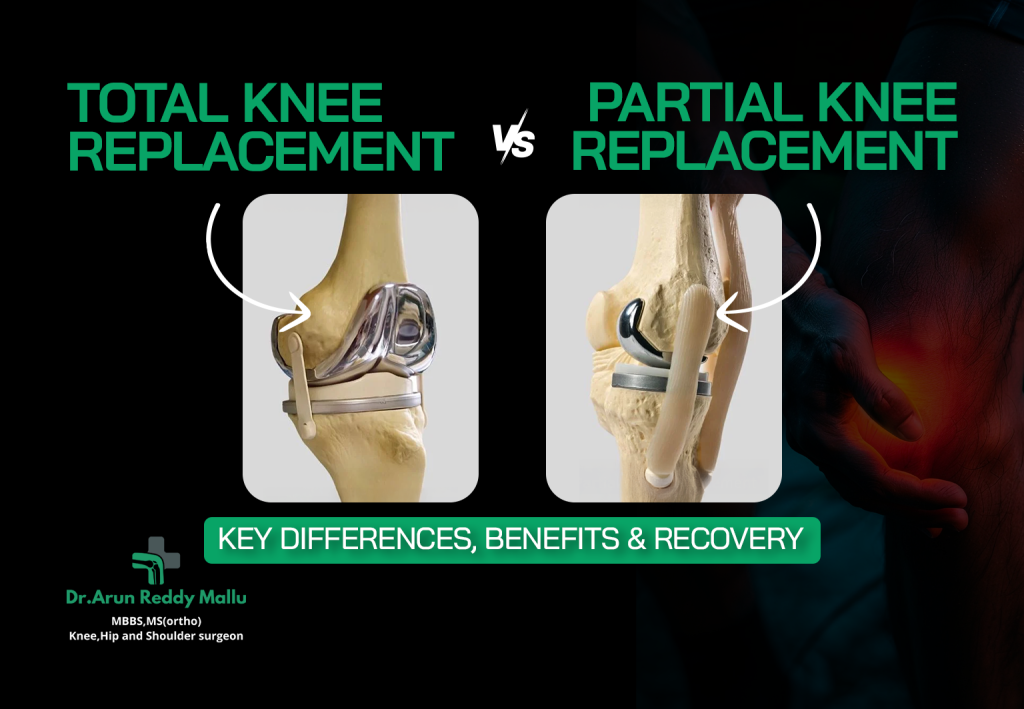
Total Knee Replacement vs Partial Knee Replacement – Key Differences, Benefits & Recovery Knee pain caused by arthritis, injury, or age-related wear and tear can make daily activities difficult. When conservative treatments like physiotherapy, medications, or injections no longer provide relief, knee replacement surgery becomes a highly effective option. But here’s where many patients pause — should you go for a Total Knee Replacement (TKR) or a Partial Knee Replacement (PKR)? Understanding the differences between these two procedures, their benefits, and recovery timelines can help you make an informed decision. In this article, we’ll break it down, with expert insights from Dr. Arun Reddy Mallu, an experienced orthopaedic and joint replacement surgeon at Continental Hospitals. What is Total Knee Replacement (TKR)? Total Knee Replacement involves replacing all three compartments of the knee — the medial (inner), lateral (outer), and patellofemoral (kneecap) areas. This is the preferred approach when arthritis or damage is widespread across the entire joint. Procedure Overview: The damaged bone and cartilage are removed from the femur (thigh bone), tibia (shin bone), and patella. Artificial components made of metal and high-grade plastic are implanted. The alignment of the joint is corrected for smoother, pain-free movement. When It’s Recommended: Advanced osteoarthritis affecting all knee compartments. Severe deformity of the knee joint. Major joint instability and stiffness. Previous unsuccessful partial replacement or other knee surgeries. What is Partial Knee Replacement (PKR)? Partial Knee Replacement, also called unicompartmental knee replacement, involves replacing only the damaged section of the knee. The healthy cartilage and bone are preserved, which allows for a more natural knee function post-surgery. Procedure Overview: Only the affected compartment (most often the medial side) is resurfaced. A smaller incision is used compared to TKR. Preserves more of the patient’s natural knee structure. When It’s Recommended: Damage or arthritis is limited to a single knee compartment. Good overall knee stability and alignment. Adequate range of motion is still present. Patients who are younger or more active may benefit from preserving natural joint tissue. Benefits of Total Knee Replacement Comprehensive Solution– Ideal for patients with extensive joint damage. Long-Lasting Results– Modern implants can last decades with proper care. Corrects Major Deformities– Improves alignment and stability. High Success Rate– TKR is one of the most successful orthopaedic surgeries worldwide. Benefits of Partial Knee Replacement Less Invasive– Smaller incision, less trauma to surrounding tissues. Faster Recovery– Many patients resume daily activities sooner. Better Range of Motion– Preserves healthy bone, ligaments, and cartilage. More Natural Feel– Knee often feels closer to the patient’s original joint. Recovery Process: What to Expect Whether you undergo TKR or PKR, recovery is a crucial part of the journey. According to Dr. Arun Reddy Mallu, “Your commitment to post-surgery rehabilitation plays as big a role in the outcome as the surgery itself.” Hospital Stay TKR: Typically 3–5 days. PKR: 1–3 days; some patients are discharged the next day. Initial Recovery (First 2 Weeks) Pain management with prescribed medication. Use of walking aids like crutches or a walker. Gentle physiotherapy starts within 24 hours to maintain mobility. Rehabilitation (Weeks 3–8) Focus on strengthening surrounding muscles. Gradual increase in walking distance and range-of-motion exercises. For PKR, patients may be walking unaided in 3–4 weeks; for TKR, it can take 6–8 weeks. Long-Term Recovery (3–12 Months) Continued improvement in strength and flexibility. Most TKR patients resume normal activities by 3 months, but full recovery can take up to a year. PKR patients often reach full recovery earlier, though durability may vary. Potential Risks and Considerations Like any surgery, knee replacement carries some risks: Infection Blood clots Implant loosening or wear Nerve injury Need for revision surgery However, with advancements in surgical techniques, patient-specific planning, and robotic-assisted procedures, these risks are lower than ever. Dr. Arun Reddy Mallu emphasises that selecting the right type of replacement is key to minimising long-term complications. Robotic-Assisted Knee Replacement: A Modern Advantage Robotic technology is increasingly being used in both TKR and PKR. It allows for: Greater surgical precision. Customised implant positioning. Better alignment, which may improve implant longevity. Dr. Arun Reddy Mallu is known for incorporating advanced techniques, including robotic-assisted surgery, to improve patient outcomes and reduce recovery times. How to Choose Between TKR and PKR The choice depends on: Extent of Joint Damage– If only one compartment is affected, PKR might be sufficient. Age & Activity Level– Younger, active patients may benefit from PKR, but risk of future surgeries exists. Overall Health– Patients with poor bone quality or significant deformities may require TKR. Surgeon’s Assessment– An experienced orthopaedic surgeon like Dr. Arun Reddy Mallu can evaluate X-rays, MRI scans, and physical examination results to recommend the best approach. Life After Knee Replacement Post-surgery, most patients experience: Significant pain reduction. Improved walking ability and mobility. Enhanced quality of life — from climbing stairs to returning to hobbies. However, knee replacements are not a free pass to high-impact sports. Activities like running or jumping should be avoided to prolong implant life. Low-impact exercises such as swimming, cycling, and yoga are encouraged. Conclusion Both Total Knee Replacement and Partial Knee Replacement are highly effective solutions for relieving chronic knee pain and restoring mobility. The main difference lies in the extent of damage being treated — TKR addresses the entire joint, while PKR focuses on one compartment. If you’re struggling with persistent knee pain, consult an experienced orthopaedic specialist Dr. Arun Reddy Mallu. With proper evaluation, the right surgical choice, and a dedicated rehabilitation plan, you can look forward to walking, climbing stairs, and enjoying an active life again — free from the limitations of knee pain. Consult Dr. Arun Reddy Mallu at Continental Hospitals to determine whether Total or Partial Knee Replacement is the best fit for your needs.
Which Type of Knee Replacement Is Right for You?
Which Type of Knee Replacement Is Right for You? Knee pain is one of the most common orthopedic issues affecting millions of people worldwide, especially those over the age of 50. When conservative treatments like physical therapy, medications, or lifestyle modifications fail to bring relief, knee replacement surgery becomes a viable and effective option. But not all knee replacements are the same. Understanding the types of knee replacement surgeries available and their suitability based on individual needs is crucial to making an informed decision. In this article, we’ll explore the different types of knee replacements, their advantages and limitations, and help you figure out which one might be right for you. Why Do You Need Knee Replacement? Knee replacement, or knee arthroplasty, is typically recommended for people who suffer from: Osteoarthritis Rheumatoid arthritis Post-traumatic arthritis Severe knee injury or deformity. The goal of the surgery is to relieve pain, restore mobility, and improve the quality of life by replacing the damaged parts of the knee joint with artificial implants. Types of Knee Replacement Surgeries There are four main types of knee replacement surgeries: Total Knee Replacement (TKR) This is the most common type of knee replacement. In this procedure, both sides of the knee joint (the femur and the tibia) are resurfaced with metal and plastic components. Sometimes, the underside of the kneecap is also replaced. Who it’s best for: Patients with severe osteoarthritis Those with extensive joint damage Individuals who have tried non-surgical options without success. Advantages: Long-lasting results (15–20 years or more) High success rate Improved mobility and pain relief. Considerations: Longer recovery period More invasive than partial replacements Partial Knee Replacement (PKR) Also known as unicompartmental knee replacement, this procedure involves replacing only the damaged part of the knee, usually either the inner (medial) or outer (lateral) compartment. Who it’s best for: Patients with arthritis confined to one part of the knee Advantages: Shorter hospital stay and quicker recovery Less blood loss and reduced risk of infection More natural knee function after surgery. Considerations: Not suitable for those with widespread joint damage May need conversion to total knee replacement in the future. Kneecap Replacement (Patellofemoral Arthroplasty) This procedure involves replacing only the underside of the kneecap and the groove it sits in. It’s relatively rare and typically performed in patients who have arthritis limited to the kneecap. Who it’s best for: Individuals with isolated patellofemoral arthritis Younger patients with early-stage disease. Advantages: Minimally invasive Preserves healthy bone and ligaments Fast recovery and natural motion. Considerations: Limited long-term success Not suitable for patients with arthritis in other parts of the knee. Revision Knee Replacement This is a repeat surgery for patients who previously had a knee replacement that has worn out, failed, or become infected. Who it’s best for: Individuals with implant loosening, wear, or infection Patients with persistent pain or instability after a primary knee replacement. Advantages: Restores function when the first implant fails Addresses complications from the initial surgery. Considerations: Technically complex and takes longer Increased risk of complications Requires an experienced orthopedic surgeon. Customizing Your Knee Replacement Every patient’s condition is unique. Factors like age, weight, activity level, overall health, and severity of arthritis will influence the choice of knee replacement. Modern knee surgeries can also be tailored further with techniques like: Robotic-Assisted Knee Replacement This advanced technology uses a robotic arm to help the surgeon perform highly accurate and customized bone cuts. It improves implant alignment and reduces variability. Benefits: Greater precision Reduced soft tissue damage Faster recovery and less post-op pain. Note: Robotic technology is used in both total and partial knee replacements and is especially helpful in younger, active patients or those with complex anatomy. Minimally Invasive Knee Replacement This technique uses smaller incisions and avoids cutting muscles, resulting in faster recovery and less post-surgical pain. However, it’s suitable only for selected candidates and requires a skilled surgeon How to Decide Which One Is Right for You? Here are a few guiding factors to help you understand which type of knee replacement may suit your condition: Criteria Best Option Widespread arthritis damage Total Knee Replacement Localized damage to one compartment Partial Knee Replacement Arthritis limited to kneecap area Kneecap Replacement Prior knee surgery failure Revision Knee Replacement Desire for quicker recovery and precision Robotic-Assisted Surgery It’s essential to consult with an orthopedic surgeon who can evaluate your joint structure through X-rays, MRIs, and physical examination. Dr. Arun Reddy Mallu, a renowned knee specialist, often stresses the importance of a thorough assessment before choosing the right surgical option for long-term success. What to Expect After Knee Replacement Regardless of the type of surgery, a structured rehabilitation plan is vital for recovery. You can expect: Pain management through medications and ice packs Physical therapy for strengthening and range of motion Use of crutches or walkers for a few weeks Return to routine activities within 6 to 12 weeks Full recovery can take up to 6 months for total knee replacements, while partial procedures may see quicker results. Lifestyle changes like maintaining a healthy weight, staying active with low-impact exercises (like walking, cycling, or swimming), and regular follow-ups can extend the life of your implant. Risks and Complications While knee replacement surgeries are generally safe and successful, they still carry certain risks: Infection Blood clots Implant loosening or wear Nerve injury Persistent stiffness or pain Choosing an experienced surgeon and following post-op care instructions carefully can significantly reduce these risks. Patients under the care of experts Dr. Arun Reddy Mallu often benefit from personalized surgical planning and comprehensive post-surgery guidance. Conclusion Choosing the right type of knee replacement surgery is a highly individual decision that depends on your health status, lifestyle, and goals. Whether it’s a total replacement or a minimally invasive partial procedure, advances in medical technology now offer better outcomes and faster recovery times than ever before. The key to a successful knee replacement lies not only in selecting the appropriate procedure but also in partnering with an experienced orthopedic surgeon who can guide you through the entire process—from diagnosis to full recovery.
Robotic vs Manual Knee Surgery: Which One’s Better for You?
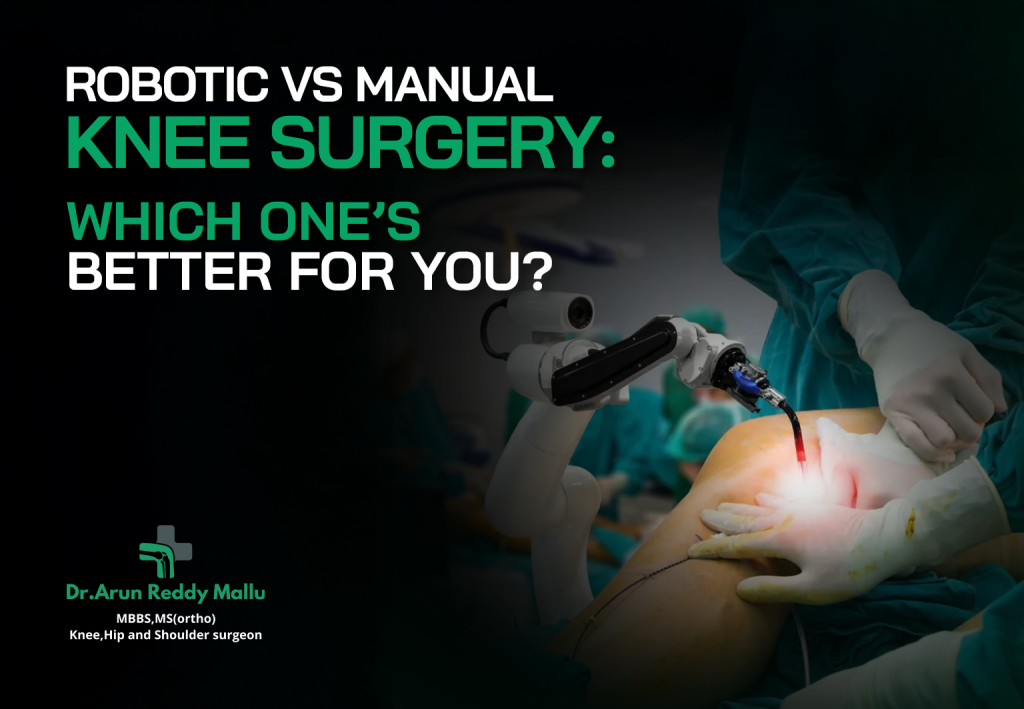
Robotic vs Manual Knee Surgery: Which One’s Better for You? When knee pain disrupts your ability to move freely or enjoy your daily life, knee replacement surgery becomes a promising solution. But with medical advancements continually reshaping surgical techniques, patients are now faced with a new decision: Robotic-Assisted Knee Surgery or Traditional Manual Knee Surgery? Both techniques aim to relieve chronic knee pain, improve mobility, and restore quality of life. However, they differ significantly in precision, recovery time, technology use, and overall outcome. If you’re considering knee surgery, it’s important to understand the pros and cons of each approach to make an informed decision tailored to your needs. What Is Manual Knee Replacement Surgery? Manual knee replacement surgery is the conventional method, performed for decades by orthopedic surgeons. It involves replacing the damaged or arthritic portions of the knee joint with artificial implants. The surgeon relies on visual assessment, manual tools, and physical measurements to position the implant. Although this method has a long history of success, it does have limitations in terms of precision and consistency. Outcomes can vary based on the surgeon’s experience, skill, and judgment during surgery. What Is Robotic-Assisted Knee Surgery? Robotic knee surgery doesn’t mean a robot performs the procedure independently. Instead, it’s a tool that assists skilled surgeons At Continental Hospitals, Dr. Arun Reddy Mallu uses robotic technology, enhancing their precision. Using advanced imaging, sensors, and a robotic arm, this technique allows for customized planning and millimeter-accurate execution. The robotic system maps the patient’s anatomy in 3D before and during surgery, helping the surgeon align and position the implant more precisely than with manual techniques. Key Differences: Robotic vs Manual Knee Surgery Precision and Alignment Manual Surgery: Implant placement is guided by the surgeon’s skill, and while experienced doctors achieve good outcomes, slight variations can occur. Robotic Surgery: The technology provides enhanced accuracy, allowing Robotic knee replacement surgeon Arun Reddy Mallu to plan implant placement down to the millimeter, improving joint alignment and longevity of the implant. Advantage: Robotic surgery Customization and Planning Manual: Involves standardized tools and general anatomical guidelines. Robotic: Uses CT or 3D imaging for personalized surgical plans, taking into account the patient’s unique anatomy and movement. Advantage: Robotic surgery offers a higher level of personalization. Surgical Incision and Bone Removal Manual: Often requires larger incisions and more bone to be removed to fit the implant properly. Robotic: Enables minimally invasive procedures with precise bone cutting, preserving more of the patient’s natural structure. Advantage: Robotic surgery typically results in less tissue trauma. Postoperative Recovery and Pain Manual: Recovery can take longer with more post-operative discomfort due to higher tissue trauma. Robotic: Patients generally report faster recovery, reduced pain, and a quicker return to normal activities. Advantage: Robotic surgery Surgical Consistency and Outcomes Manual: Results can vary between surgeons and even between procedures performed by the same surgeon. Robotic: Offers standardized precision across procedures, reducing variability. Advantage: Robotic surgery ensures consistency and predictable outcomes. Surgeon’s Expertise Still Matters While robotic systems provide better tools, they don’t replace the expertise of a skilled orthopedic surgeon. This is why choosing the right surgeon— Dr. Arun Reddy Mallu, who is experienced in both manual and robotic knee replacement—is crucial. His ability to combine clinical judgment with advanced technology ensures optimal outcomes. Which One Is Better for You? The decision depends on various factors, including: Your age and activity level The severity of your knee damage The condition of your bones and tissues Cost considerations The availability of robotic systems in your chosen hospital Your surgeon’s recommendation Robotic surgery is particularly beneficial for younger or more active patients who want the best alignment possible for long-term implant durability. It’s also ideal for patients looking for quicker recovery and minimal pain post-surgery. However, manual surgery remains a reliable and effective choice, especially in settings where robotic systems may not be accessible or when performed by a highly skilled surgeon. Common Myths About Robotic Knee Surgery Myth 1: A robot does the surgery alone. Reality: The surgeon controls the procedure at every step. The robot is just an advanced tool that enhances precision. Myth 2: Robotic surgery is risk-free. Reality: While robotic-assisted surgery reduces some risks, no surgery is without complications. But in experienced hands those of Dr. Arun Reddy Mallu, risks are minimized, and success rates are high. Myth 3: Recovery is instant with robotic surgery. Reality: While recovery can be faster, it still requires physiotherapy, rest, and care. Your body needs time to adapt to the new joint. Cost Considerations Robotic surgery can be slightly more expensive than manual due to the advanced technology and equipment involved. However, many patients find the investment worthwhile due to quicker recovery and fewer complications. Health insurance may cover part of the cost—be sure to consult your provider. Discuss the cost breakdown and benefits directly with your orthopedic specialist, such as At continental hospitals, Dr Arun Reddy Mallu uses MISSO robot, who can guide you based on your personal health goals and financial situation. Final Thoughts Which One Is Better? Robotic knee replacement surgery offers several advantages over traditional manual surgery, including greater precision, quicker recovery, less pain, and better implant alignment. However, manual surgery remains a proven option with decades of successful outcomes behind it. The best choice ultimately comes down to your individual condition, your health goals, and your surgeon’s recommendation. For the most accurate assessment, consult a trusted and experienced orthopedic surgeon. Dr. Arun Reddy Mallu, known for his expertise in advanced knee replacement techniques, can help you weigh your options and guide you toward the most effective treatment plan tailored to your lifestyle. Ready to Take the Next Step? If you’re struggling with chronic knee pain and want to explore your surgical options, consider booking a consultation with joint replacement surgeon Dr Arun Reddy Mallu . Whether you’re a candidate for robotic or manual knee surgery, his expertise ensures you’ll receive the highest standard of care, every step of the way. Dr. Arun Reddy Mallu at Continental Hospitals offers advanced
What Influences the Success of Knee Replacement Surgery?
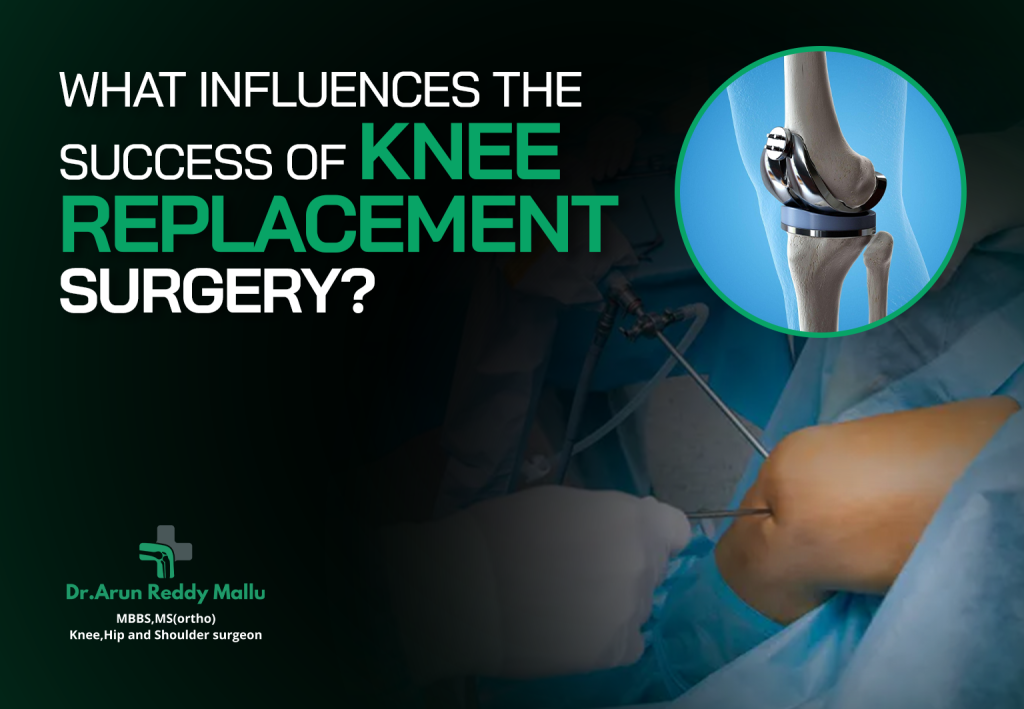
What Influences the Success of Knee Replacement Surgery? Knee replacement surgery, is a widely performed procedure that has helped millions of individuals regain mobility and lead pain-free lives. It is primarily recommended for patients suffering from severe osteoarthritis, rheumatoid arthritis, or traumatic joint injuries that no longer respond to non-surgical treatments like physiotherapy or medications. While the success rate of knee replacement surgery is high, outcomes can vary depending on several key factors. These include the patient’s overall health, the expertise of the surgeon, the type of implant used, and the effectiveness of rehabilitation. What Is Knee Replacement Surgery? Knee replacement surgery involves removing the damaged portions of the knee joint and replacing them with artificial components made from metal and plastic. These components are designed to replicate the movement of a healthy knee, reduce pain, and restore function. There are two main types of procedures: Total Knee Replacement (TKR):Replacement of the entire joint. Partial Knee Replacement (PKR):Replacement of only the damaged part of the joint, leaving healthy areas intact. The procedure chosen depends on the extent of joint damage and the patient’s activity level, age, and overall health. How Is Success Measured? A successful knee replacement is not just about how well the surgery is performed, but also about the long-term outcome. Key indicators of success include: Relief from chronic knee pain Improved joint function and flexibility Long-lasting performance of the implant (15–20+ years) High patient satisfaction Ability to return to daily activities or moderate exercise Renowned orthopedic surgeon Dr. Arun Reddy Mallu notes that successful outcomes also depend on patient commitment to recovery and follow-up care, not just surgical precision. Factors That Influence the Success of Knee Replacement Surgery Patient’s Overall Health Patients with chronic conditions like diabetes, heart disease, or autoimmune disorders may face slower healing or a higher risk of infection. Preoperative assessments are crucial to prepare the body for surgery and reduce risks. Maintaining good general health before surgery—including quitting smoking, managing weight, and controlling blood sugar—is essential to ensure optimal recovery. Body Weight and Fitness Level Higher body weight places increased stress on the knee joint, which can affect implant durability. Obese patients may also face a longer recovery timeline and a greater risk of complications such as infection or implant loosening. Surgeons often recommend weight loss and strengthening exercises before surgery to improve surgical outcomes and post-surgery performance. Age and Activity Knee replacement can be performed at any age, but most patients are between 55 and 75 years old. Younger, more active patients may put more stress on their implants, requiring revision surgery later in life. Older patients, on the other hand, may have more moderate expectations and lower-impact lifestyles, which may lead to longer-lasting results. Extent of Knee Damage The condition of the joint and surrounding tissues prior to surgery also influences success. Severe deformities, loss of muscle strength, or stiffness in the knee can make surgery more complex and prolong recovery. Early intervention can prevent further joint damage and may improve surgical outcomes. Surgical Skill and Experience The experience and technique of the orthopedic surgeon is one of the most critical success factors. Proper alignment, implant placement, and attention to detail can prevent early wear or imbalance in the joint. Patients are encouraged to choose a specialist with a strong track record in joint replacement. For example, Dr. Arun Reddy Mallu, a respected name in knee and joint surgeries, combines surgical precision with a patient-focused approach to deliver long-term results. Type and Quality of Implant Modern implants are designed to mimic the natural movement of the knee and are made of highly durable materials like cobalt-chromium or titanium alloys. The choice of implant should be customized based on the patient’s age, activity level, and anatomy. While no implant lasts forever, most high-quality prosthetics function well for 15–20 years or more. Postoperative Rehabilitation Recovery doesn’t end in the operating room. A structured rehabilitation plan is crucial for regaining strength, flexibility, and confidence. Patients who attend regular physiotherapy sessions and stay active typically recover faster and achieve better long-term function. Those who neglect rehab may face stiffness, pain, or reduced mobility. Pain Management and Follow-Up Care Controlling pain after surgery allows patients to begin rehabilitation sooner and more comfortably. Medications, ice therapy, and guided movement all help manage pain effectively. Follow-up appointments are also essential to track healing, ensure proper implant positioning, and catch potential issues early. Lifestyle Modifications Post-Surgery Making certain lifestyle changes after surgery can greatly extend the life of the implant. Patients are advised to: Avoid high-impact sports like running or jumping Focus on low-impact exercises such as walking, swimming, or cycling Maintain a healthy weight Keep up with annual orthopedic checkups Consistent care and sensible activity choices are key to preserving joint function. Common Challenges After Knee Replacement Despite the high success rate, some patients may experience: Infection at the surgical site Blood clots Implant loosening or wear Ongoing stiffness or pain These issues are rare but can usually be managed if detected early. That’s why ongoing communication with your orthopedic surgeon is important. Conclusion Knee replacement surgery offers lasting relief from pain and significantly improves quality of life for people with severe joint problems. However, the success of the procedure depends on multiple factors—including the patient’s health, their commitment to recovery, and the skill of the surgeon. By working with an experienced specialist like Dr. Arun Reddy Mallu, following medical advice, and staying consistent with post-surgery rehabilitation, patients can expect excellent results and a much-improved lifestyle. Receive top-quality knee replacement treatment and expert care from Dr. Arun Reddy Mallu at Continental Hospitals.