
Cycling & Knee Health: Why It’s the Best Low-Impact Exercise for Joint Strength
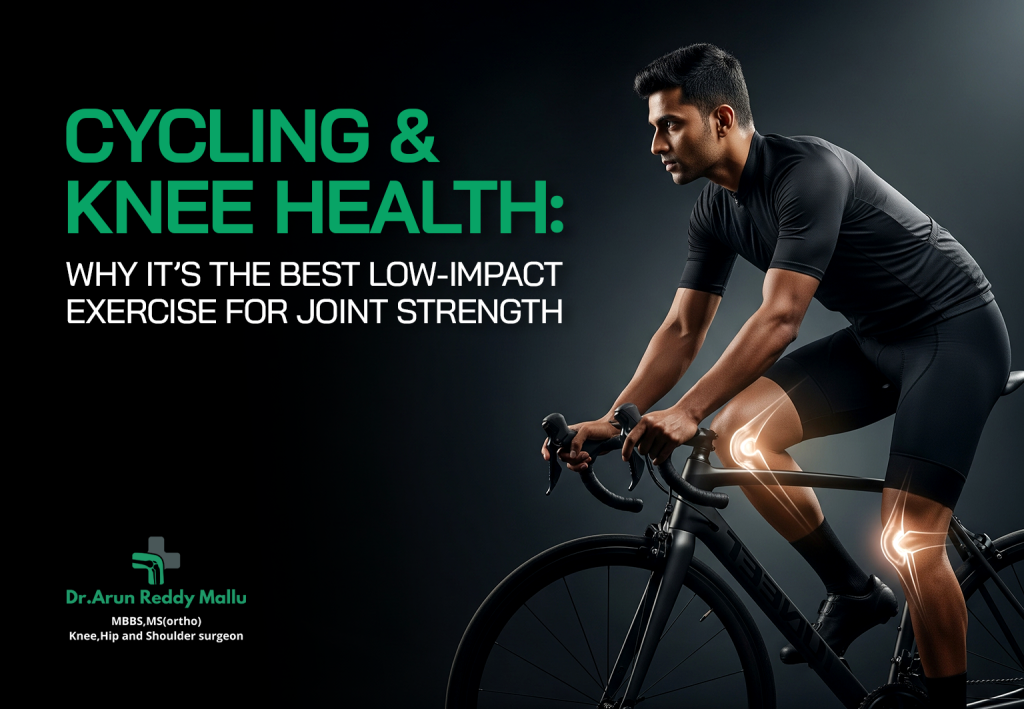
Cycling & Knee Health: Why It’s the Best Low-Impact Exercise for Joint Strength When it comes to maintaining strong, healthy knees, exercise plays a vital role. However, not all workouts are suitable for people with knee concerns. High-impact activities such as running, jumping, or intense aerobics can put excessive stress on the joints, leading to pain or injury. This is where cycling stands out as one of the best low-impact exercises for knee health. Cycling not only strengthens the muscles that support your knees but also improves mobility, reduces stiffness, and helps maintain overall joint health. Whether you’re recovering from an injury, managing arthritis, or simply looking to stay active, cycling offers an ideal balance of safety and effectiveness. Orthopedic experts like Dr. Arun Reddy at Continental Hospitals often recommend cycling as a safe and sustainable exercise for individuals with knee issues. Why Knee Health Matters Your knees are among the most hardworking joints in the body. They support your weight, enable mobility, and absorb shock during daily activities. Unfortunately, knee problems are very common due to factors such as: Aging– Natural wear and tear of cartilage. Arthritis– Osteoarthritis and rheumatoid arthritis can damage joints. Injuries– Ligament tears, meniscus injuries, or fractures. Obesity– Excess weight adds extra pressure on the knees. Overuse– Repetitive movements that strain the joints. Maintaining strong knee joints is crucial for long-term mobility and independence. This is why low-impact exercises like cycling are so beneficial—they strengthen the muscles around the knee without causing further damage. What Makes Cycling a Low-Impact Exercise? Unlike running or jumping, cycling is classified as a low-impact activity because your feet remain on the pedals throughout the movement. This means: There’s less jarring impacton the joints. Your body weight is supported by the bicycle seat, not your knees. The smooth, circular pedaling motion reduces stress on ligaments and cartilage. As a result, cycling provides all the cardiovascular and muscular benefits of exercise without subjecting your knees to unnecessary strain. Benefits of Cycling for Knee Health Strengthens Supporting Muscles Cycling works the quadriceps, hamstrings, glutes, and calf muscles. Stronger muscles provide better support to the knee joint, reducing the risk of injuries and improving overall stability. Improves Joint Mobility The continuous pedaling motion helps lubricate the joints and keeps them flexible. This can reduce stiffness, particularly for those with arthritis. Promotes Weight Management Excess weight is one of the leading causes of knee pain. Cycling is an excellent calorie-burning activity that supports weight loss, thereby reducing stress on the knees. Enhances Circulation Cycling improves blood flow to the legs and knees, which promotes healing, reduces inflammation, and nourishes joint tissues. Low Risk of Injury Because it’s low-impact, cycling carries a lower risk of knee injuries compared to running or high-intensity sports. Supports Rehabilitation Dr. Arun Reddy, often recommend cycling as part of rehabilitation after knee surgeries or injuries. It helps patients regain strength and mobility safely. Cycling vs Other Low-Impact Exercises There are several low-impact activities like swimming, yoga, and walking. While all have their benefits, cycling stands out for knee health because: It’s weight-bearing enough to build bone strength while still being gentle. It offers cardiovascular and muscular benefits simultaneously. It can be adapted to different fitness levels (indoor bikes, stationary cycling, or outdoor rides). It allows for progressive intensity increases without straining the joints. Best Cycling Practices for Knee Health While cycling is safe, doing it incorrectly can still cause knee pain. Here are key tips to ensure you get the most benefit: Proper Bike Fit Seat Height: Too low or too high can strain the knees. Ideally, your knee should be slightly bent at the bottom of the pedal stroke. Handlebar Position: Ensure you’re not leaning too far forward, which can stress the knees and back. Start Slow If you’re new to cycling or recovering from an injury, begin with 10–15 minutes at a low resistance, then gradually increase. Maintain Proper Form Keep your knees aligned with your feet while pedaling. Avoid turning them outward or inward. Choose the Right Surface For outdoor cycling, pick smooth, flat surfaces to avoid sudden jerks or excessive stress on the knees. Warm-Up and Cool Down Always stretch before and after cycling to prevent stiffness and support joint flexibility. Use a Stationary Bike if Needed For individuals with severe arthritis or balance issues, stationary bikes are an excellent, safe alternative. Who Can Benefit the Most from Cycling? Cycling is suitable for a wide range of people, including: Individuals with arthritis– Reduces stiffness and pain. Post-surgery patients– Helps regain mobility and strength. Older adults– Provides safe, sustainable exercise. Overweight individuals– Aids weight loss without harming joints. Athletes– Serves as cross-training while reducing injury risk. Orthopedic experts emphasize that cycling is one of the few exercises that can be safely recommended for people of all ages and fitness levels Common Concerns About Cycling and Knees Can Cycling Worsen Knee Pain? Not if done correctly. In fact, it can relieve knee pain by strengthening supportive muscles and improving flexibility. Incorrect seat height or overtraining, however, may cause discomfort. Is Stationary Cycling as Effective as Outdoor Cycling? Yes. Stationary bikes offer the same benefits, and they’re often recommended for beginners, seniors, or those undergoing rehabilitation. How Often Should You Cycle for Knee Health? Experts recommend at least 3–5 times per week for 20–40 minutes to see noticeable improvements in knee strength and mobility. Expert Insights – Dr. Arun Reddy at Continental Hospitals According to Dr. Arun Reddy, Orthopedic Surgeon at Continental Hospitals, cycling is a highly effective way to protect and strengthen knee joints. He often advises his patients recovering from knee injuries or managing arthritis to include cycling in their exercise routine. Dr. Reddy highlights that cycling improves muscle balance around the knee and supports smoother joint movement, making it one of the most sustainable long-term activities for joint health. Conclusion Knee health is essential for maintaining an active and independent lifestyle. High-impact exercises may harm sensitive joints, but cycling offers a safe, enjoyable, and effective alternative. From strengthening the muscles
Rotator Cuff Injuries – Causes, Symptoms, and Best Treatment Options
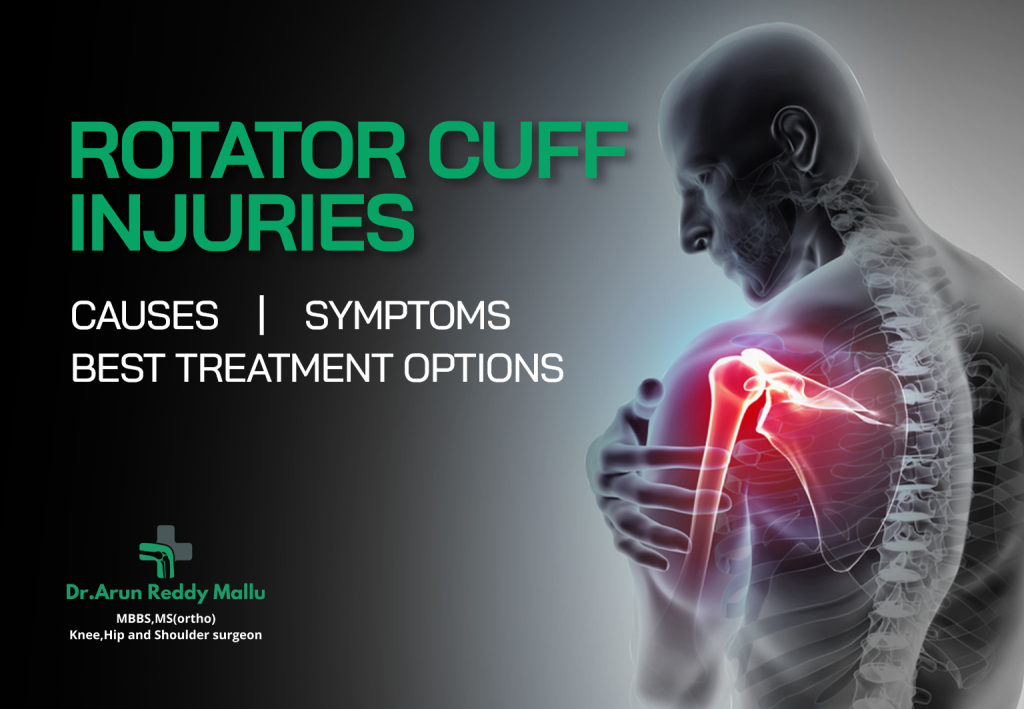
Rotator Cuff Injuries – Causes, Symptoms, and Best Treatment Options Shoulder pain is one of the most common musculoskeletal complaints among adults, and a significant portion of these cases is linked to rotator cuff injuries. Whether you’re an athlete, someone who engages in repetitive overhead work, or simply experiencing age-related changes, rotator cuff issues can drastically affect your quality of life. Understanding the causes, recognizing the symptoms, and exploring the best treatment options are key to regaining mobility and preventing long-term damage. What is the Rotator Cuff? The rotator cuff is a group of four muscles and their tendons that stabilize the shoulder joint and allow you to lift and rotate your arm. These muscles include: Supraspinatus– helps lift the arm away from the body. Infraspinatus– assists with external rotation of the arm. Teres minor– supports rotation and stability. Subscapularis– enables internal rotation of the arm. When any of these tendons are irritated, inflamed, or torn, it results in a rotator cuff injury, leading to pain, weakness, and limited movement. Causes of Rotator Cuff Injuries Rotator cuff injuries can develop suddenly from trauma or gradually over time due to wear and tear. The most common causes include: Repetitive Motion Athletes such as swimmers, tennis players, and cricketers, as well as individuals with jobs involving frequent overhead activity (painters, carpenters), are at higher risk of rotator cuff damage. Age-Related Degeneration As we grow older, blood supply to the rotator cuff decreases, reducing the body’s ability to repair small tendon tears. People over 40 are more susceptible to degenerative injuries. Acute Injury or Trauma A fall on an outstretched arm, lifting something too heavy, or a sudden jerking movement can cause an immediate rotator cuff tear. Poor Posture Consistently slouching or having rounded shoulders puts stress on the shoulder tendons, eventually leading to injury. Bone Spurs With age, bony overgrowths (spurs) can develop on the acromion (part of the shoulder blade), rubbing against the rotator cuff tendons and causing tears. Symptoms of Rotator Cuff Injuries The symptoms can vary depending on the severity of the injury. Common signs include: Persistent Shoulder Pain– Pain that worsens at night or when lying on the affected side. Weakness– Difficulty lifting or rotating the arm, especially during overhead activities. Limited Range of Motion– Stiffness and reduced flexibility in the shoulder. Cracking or Clicking Sound– A popping sensation when moving the arm. Sudden Sharp Pain– Especially if the injury is caused by trauma. If ignored, a rotator cuff injury can progress from mild tendon irritation (tendinitis) to partial or complete tendon tears, significantly affecting daily activities. How Rotator Cuff Injuries are Diagnosed Accurate diagnosis is essential to determine the extent of injury and guide treatment. A specialist like Dr. Arun Reddy Mallu at Continental Hospitals typically follows these steps: Physical Examination– Checking shoulder strength, flexibility, and movement. Medical History– Understanding past injuries, occupational risks, and sports activity. Imaging Tests: X-ray– To rule out bone spurs or arthritis. MRI Scan– Provides a detailed view of the tendons and muscles. Ultrasound– Helps visualize tendon movement in real-time. Treatment Options for Rotator Cuff Injuries Treatment depends on the severity of the injury, age, lifestyle, and overall health of the patient. Non-Surgical Treatments For mild to moderate cases, conservative treatment is usually the first line of care: Rest and Activity Modification– Avoiding overhead movements and heavy lifting. Physical Therapy– Strengthening surrounding muscles to improve shoulder stability. Medications– Anti-inflammatory drugs and pain relievers to reduce discomfort. Steroid Injections– Cortisone shots can provide temporary relief for inflammation and pain. Hot and Cold Therapy– Ice packs reduce swelling, while heat improves blood flow and flexibility. Surgical Treatments When conservative measures fail or in cases of complete tendon tears, surgery may be recommended. Dr. Arun Reddy Mallu is highly experienced in advanced surgical options: Arthroscopic Rotator Cuff Repair– A minimally invasive procedure using small incisions and a camera to repair torn tendons. Open Repair– Traditional surgery for large or complex tears. Tendon Transfer– If the tendon is too damaged to be repaired, nearby tendons may be repositioned to restore function. Shoulder Replacement (Reverse Shoulder Arthroplasty)– In severe cases with arthritis and massive tears, a replacement may be considered. Recovery and Rehabilitation Post-treatment recovery plays a vital role in restoring full shoulder function. Key aspects of rehabilitation include: Immobilization– A sling may be used to protect the shoulder initially. Gradual Physical Therapy– Guided exercises to regain flexibility and strength. Pain Management– Medications and cold therapy to reduce discomfort. Lifestyle Modifications– Avoiding high-impact activities during recovery. Recovery can take anywhere from a few weeks for minor injuries to several months after surgery. Following your doctor’s rehabilitation plan is crucial for optimal results. Preventing Rotator Cuff Injuries While not all injuries are avoidable, certain steps can lower the risk: Maintain good postureto reduce strain on the shoulder. Perform shoulder-strengthening exercises Always warm up before sports or workouts. Avoid repetitive overhead movements when possible. Listen to your body and don’t ignore shoulder pain—early treatment can prevent worsening. Why Choose Dr. Arun Reddy Mallu at Continental Hospitals? When it comes to shoulder injuries, choosing the right specialist makes all the difference. Dr. Arun Reddy Mallu, Orthopedic and Joint Replacement Surgeon at Continental Hospitals, Hyderabad, is renowned for his expertise in: Advanced arthroscopic shoulder surgeries Comprehensive rotator cuff repairtechniques Personalized treatment planstailored to each patient Focus on minimally invasive proceduresfor faster recovery Patients trust Dr. Arun Reddy Mallu for his compassionate approach, precise diagnosis, and commitment to restoring pain-free mobility. Conclusion Rotator cuff injuries can severely impact your daily life, from simple tasks like combing your hair to professional activities requiring arm strength. Early diagnosis and the right treatment approach are crucial in preventing long-term damage. While non-surgical treatments may work for mild cases, surgical repair becomes essential for complete tears or persistent symptoms. Consult Dr. Arun Reddy Mallu at Continental Hospitals today for expert treatment of Rotator Cuff Injuries.
Frozen Shoulder Explained – Symptoms, Causes, Stages & Treatment Options
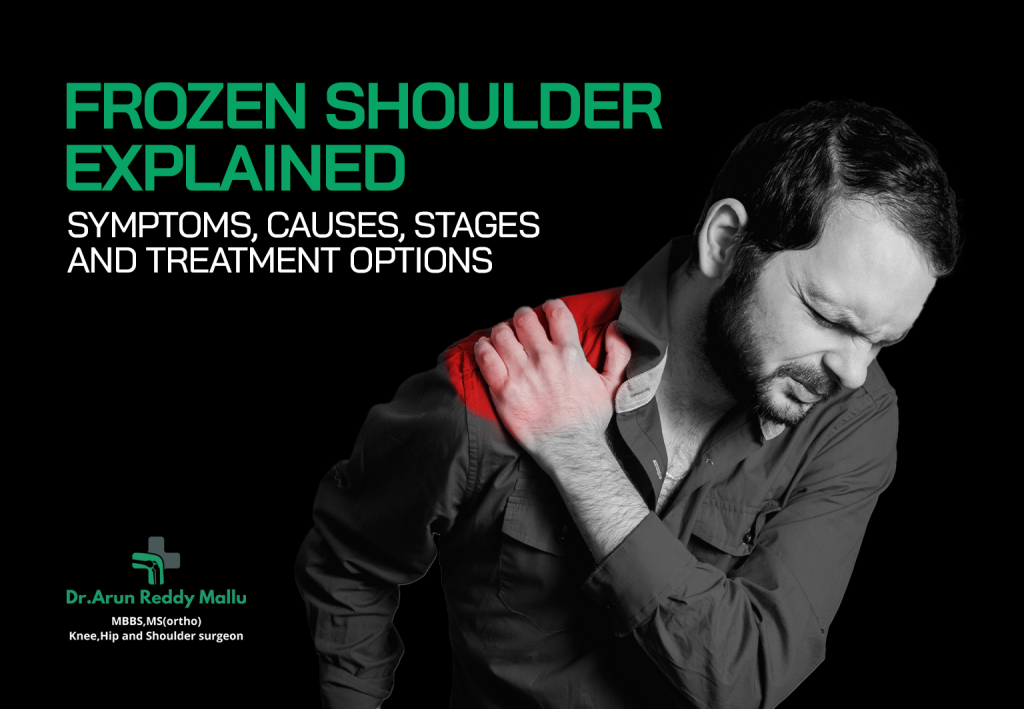
Frozen Shoulder Explained – Symptoms, Causes, Stages & Treatment Options When you think about everyday movements like reaching for something on a shelf, combing your hair, or simply stretching your arm, it’s easy to take shoulder mobility for granted. But for people suffering from frozen shoulder, these simple activities can feel nearly impossible. Medically known as adhesive capsulitis, frozen shoulder is a painful condition that limits movement and gradually worsens if left untreated. In this comprehensive guide, we’ll explore what frozen shoulder is, its symptoms, causes, stages, and treatment options. We’ll also highlight expert care available with Dr. Arun Reddy Mallu at Continental Hospitals, who specializes in shoulder conditions and advanced orthopedic treatments. What is Frozen Shoulder? Frozen shoulder (adhesive capsulitis) is a condition that causes pain, stiffness, and reduced range of motion in the shoulder joint. It develops when the connective tissue capsule around the shoulder joint becomes thick, tight, and inflamed, restricting movement. It is more common in people between the ages of 40 and 60, with women being more frequently affected than men. While the condition is not life-threatening, it can severely impact daily life and productivity. Symptoms of Frozen Shoulder Frozen shoulder usually develops gradually, and symptoms may persist for months or even years if untreated. Common symptoms include: Persistent Pain– A dull or aching pain in the shoulder that worsens with movement or at night. Stiffness– Difficulty moving the shoulder in all directions. Restricted Range of Motion– Trouble lifting the arm overhead, reaching behind the back, or rotating the shoulder. Sleep Disturbances– Pain is often worse at night, leading to poor sleep quality. Weakness– Prolonged inactivity due to pain can cause weakness in the shoulder and arm muscles. Causes and Risk Factors While the exact cause of frozen shoulder is not always clear, several factors increase the risk: Immobilization after injury or surgery– Keeping the arm in one position for too long (e.g., after a fracture or surgery) can trigger frozen shoulder. Medical conditions– Diabetes, thyroid disorders, cardiovascular disease, and Parkinson’s disease are linked with higher risk. Inflammation– Chronic inflammation of the shoulder capsule can lead to scar tissue buildup. Age and gender– Most common in individuals between 40–60 years, especially women. Post-surgical complications– Some patients develop frozen shoulder after operations like mastectomy or rotator cuff repair. Stages of Frozen Shoulder Frozen shoulder typically progresses in three stages, each lasting several months: Freezing Stage (Painful Stage) Duration: 6 weeks to 9 months Symptoms: Gradual onset of pain and stiffness, worsening over time. Movement becomes increasingly limited. Frozen Stage (Adhesive Stage) Duration: 4 to 12 months Symptoms: Pain may reduce slightly, but stiffness becomes more severe. Range of motion is at its lowest point. Daily activities are significantly affected. Thawing Stage (Recovery Stage) Duration: 6 months to 2 years Symptoms: Gradual improvement in shoulder mobility and reduced stiffness. Pain continues to decrease. Not everyone recovers fully without treatment. Early diagnosis and management are crucial for preventing long-term disability. Diagnosis of Frozen Shoulder An accurate diagnosis involves a combination of clinical evaluation and imaging tests: Medical history and physical examination– Doctors check for pain level, stiffness, and range of motion. Imaging tests– X-rays, MRI, or ultrasound may be ordered to rule out other shoulder problems such as arthritis, rotator cuff tears, or bursitis. At Continental Hospitals, Dr. Arun Reddy Mallu uses advanced diagnostic tools and individualized assessments to determine the stage and severity of frozen shoulder, ensuring the right treatment plan. Treatment Options for Frozen Shoulder Frozen shoulder often improves over time, but active treatment can significantly speed up recovery and restore function. Treatment depends on the stage and severity. Non-Surgical Treatments Medications Over-the-counter pain relievers (NSAIDs like ibuprofen or acetaminophen) help reduce pain and inflammation. Corticosteroid injections directly into the shoulder joint can provide longer-lasting relief. Physical Therapy The cornerstone of frozen shoulder treatment. Gentle stretching, mobility exercises, and strengthening routines restore movement. A skilled physiotherapist can design exercises to match each stage of recovery. Heat and Cold Therapy Applying heat before exercises helps relax stiff muscles, while cold packs reduce inflammation after activity. Lifestyle Adjustments Patients are advised to avoid complete immobility and continue light shoulder use to prevent worsening stiffness. Surgical and Advanced Treatments If conservative methods fail, surgical options may be considered: Hydrodilatation (Joint Distension) A sterile fluid is injected into the joint capsule to stretch it and improve movement. Manipulation Under Anesthesia (MUA) The patient is put under anesthesia, and the surgeon gently moves the shoulder to break adhesions. Arthroscopic Capsular Release A minimally invasive surgery where the tight joint capsule is cut to restore motion. Dr. Arun Reddy Mallu at Continental Hospitals specializes in advanced surgical techniques, including arthroscopic shoulder procedures, ensuring faster recovery and minimal complications. Recovery and Rehabilitation Recovery from frozen shoulder can take several months to years, depending on the stage at diagnosis and treatment chosen. Rehabilitation is a vital part of recovery and typically involves: Regular physiotherapy sessionsto restore mobility. Home exercisesto maintain progress between therapy sessions. Gradual return to daily activitiesto regain independence. Post-surgery care(if needed), which includes structured rehab programs under professional guidance. With the right treatment and commitment to rehabilitation, most patients regain almost full mobility of the shoulder. Preventing Frozen Shoulder While not all cases can be prevented, you can lower the risk by: Staying activeand maintaining regular shoulder mobility exercises. Post-surgery physiotherapyafter any shoulder operation to prevent stiffness. Managing medical conditionssuch as diabetes and thyroid disorders effectively. Avoiding prolonged immobilityafter injuries—start gentle exercises as advised by a doctor. Why Choose Dr. Arun Reddy Mallu at Continental Hospitals? When it comes to treating shoulder conditions like frozen shoulder, choosing the right specialist makes a huge difference. Dr. Arun Reddy Mallu at Continental Hospitals, Hyderabad, is known for his expertise in advanced orthopedic and shoulder surgeries. Patients benefit from: Accurate diagnosis using state-of-the-art imaging. Personalized treatment plans based on the stage of frozen shoulder. Access to both conservative and advanced surgical treatment options. Comprehensive rehabilitation support for long-term recovery. Conclusion Frozen shoulder can be a frustrating and
Partial Knee Replacement: Pros, Cons & How to Know If It’s Right for You
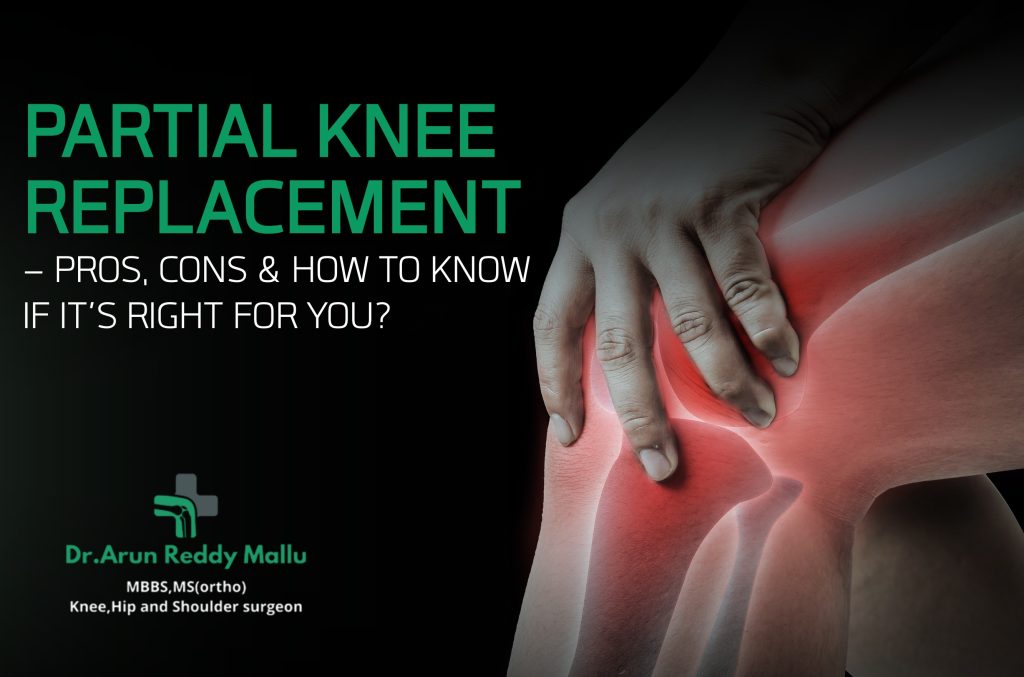
Partial Knee Replacement: Pros, Cons & How to Know If It’s Right for You Knee pain can be more than just an inconvenience—it can affect your mobility, independence, and overall quality of life. For many people partial knee replacement (PKR), also known as unicompartmental knee arthroplasty, offers a less invasive alternative to total knee replacement. But how do you know if it’s right for you? Let’s break it down. What Is a Partial Knee Replacement? A partial knee replacement involves replacing only the damaged compartment of the knee, rather than resurfacing the entire joint as in a total knee replacement. The knee has three compartments: Medial(inside) Lateral(outside) Patellofemoral(front, under the kneecap) If arthritis or damage is limited to just one of these areas, PKR can preserve more of your natural bone and ligaments, often resulting in faster recovery and a more natural feel after surgery. Who Is a Candidate? You might be a good candidate for partial knee replacement if: Arthritis is confined to one compartment of your knee. Your ligaments (especially the anterior cruciate ligament, or ACL) are intact. You have a stable knee and good range of motion. You have not experienced severe deformity or advanced inflammatory arthritis. Common causes leading to PKR include osteoarthritis, post-traumatic arthritis, and, less commonly, avascular necrosis. An orthopedic evaluation, physical examination, and imaging tests (X-rays, MRI) will help determine if you qualify. Dr. Arun Reddy Mallu, a leading orthopedic surgeon, often emphasizes the importance of accurate diagnosis before recommending PKR over total knee replacement. The Procedure: Step-by-Step Anesthesia– Most surgeries use spinal or general anesthesia. Small incision– The surgeon makes a smaller incision than in total knee replacement. Removal of damaged tissue– Only the affected cartilage and bone are removed. Implant placement– A prosthetic component made of metal and plastic is inserted to replace the damaged part. Closure and recovery– The incision is closed, and recovery begins almost immediately with guided physiotherapy. The procedure usually takes 1–2 hours and may be performed as an inpatient or outpatient surgery. Pros of Partial Knee Replacement Less Invasive Because PKR involves a smaller incision and less tissue disruption, patients often experience less postoperative pain and swelling. Faster Recovery Many patients walk with assistance the same day or the day after surgery. Recovery timelines can be shorter compared to total knee replacement. More Natural Knee Function PKR preserves ligaments like the ACL, which helps maintain natural knee movement and proprioception (your ability to sense joint position). Less Blood Loss Smaller surgical exposure means reduced risk of needing a blood transfusion. Better Range of Motion Since more of the native knee structure remains intact, patients often regain a better range of motion. Cons of Partial Knee Replacement Limited Candidacy Not everyone qualifies. If arthritis affects multiple compartments, PKR may not provide adequate relief. Risk of Needing Further Surgery If arthritis develops in the remaining compartments, you may need a revision surgery to convert PKR to total knee replacement. Durability Concerns While many implants last 10–15 years or more, they may wear out sooner in younger, more active patients. Technical Demands The surgery is more technique-sensitive, requiring high surgical precision to ensure proper alignment and balance. Potential Complications These include infection, blood clots, stiffness, implant loosening, or persistent pain. Recovery Timeline Week 1–2: Walking with a cane or walker. Pain managed with medication and ice therapy. Gentle physiotherapy exercises begin. Week 3–6: Gradual increase in activity. Improved range of motion and muscle strength. Ability to walk without major assistance. Month 3 and beyond: Return to low-impact activities like swimming, cycling, and walking. Ongoing strengthening and flexibility work. Most patients return to normal daily activities within 6 weeks and to recreational sports in about 3–6 months. Signs You May Benefit from PKR Localized knee pain on one side of the joint. Pain worsens with activity but improves with rest. Conservative treatments (medications, injections, physiotherapy) no longer work. Imaging confirms arthritis in only one compartment. If your symptoms match these, it’s worth discussing PKR with your orthopedic specialist. Lifestyle After Partial Knee Replacement The goal of PKR isn’t just to relieve pain—it’s to get you back to the activities you enjoy. Most surgeons recommend: Avoiding high-impact sportslike basketball or running on hard surfaces. Maintaining a healthy weightto reduce strain on your joint. Continuing physiotherapyexercises at home to maintain flexibility and strength. Monitoring knee healthwith regular follow-ups. The Role of an Experienced Surgeon PKR is highly technique-dependent. A skilled orthopedic surgeon ensures accurate implant positioning, proper ligament balancing, and optimal results. Choosing a surgeon who performs PKR frequently—and has access to advanced technology such as computer-assisted navigation—can significantly improve your outcome. Conclusion Partial knee replacement can be a life-changing procedure for people with arthritis confined to one compartment of the knee. It offers faster recovery, a more natural feel, and less invasive surgery compared to total knee replacement. However, it’s not for everyone, and the decision should be made after a thorough evaluation. If you are considering PKR, consult an experienced orthopedic surgeon like Dr. Arun Reddy Mallu to determine if you are a good candidate. With proper surgical expertise, rehabilitation, and lifestyle adjustments, partial knee replacement can restore mobility, reduce pain, and improve your quality of life—helping you return to the activities you love. Book a consultation with Dr. Arun Reddy Mallu at Continental Hospitals today to discover if partial knee replacement is the right choice for you.
Microfracture Knee Surgery Success Rate – What to Expect from the Procedure
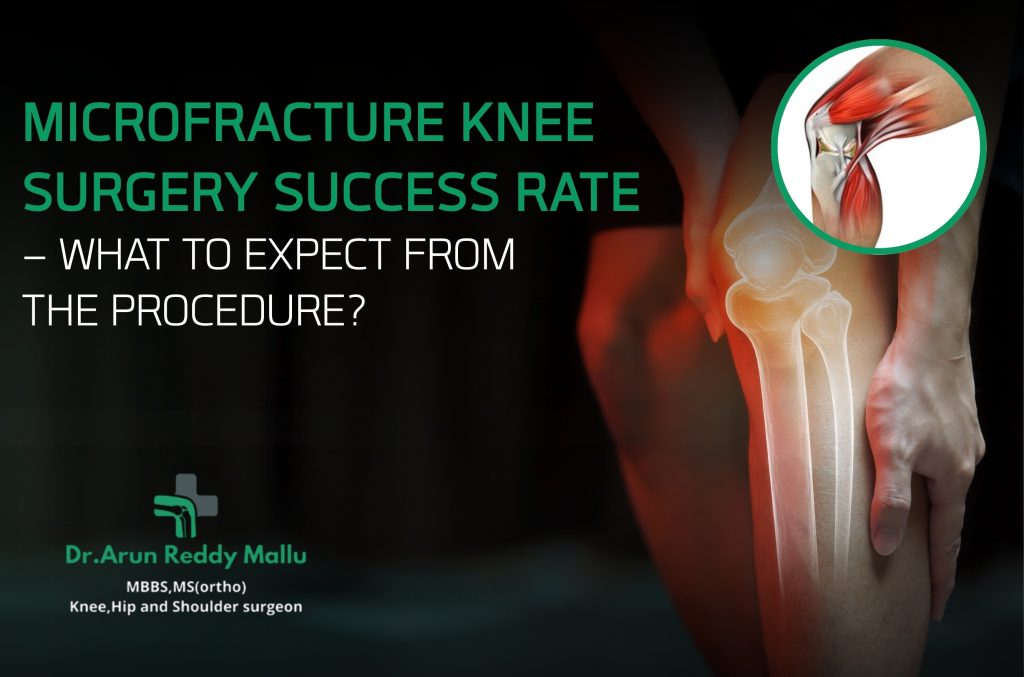
Microfracture Knee Surgery Success Rate – What to Expect from the Procedure Microfracture knee surgery is a minimally invasive arthroscopic procedure aimed at repairing damaged articular cartilage in the knee. It stimulates cartilage growth by creating tiny holes, or microfractures, in the underlying bone to promote the formation of new cartilage tissue. This technique is widely used due to its relative simplicity and low cost. Yet, outcomes can vary based on patient factors, lesion characteristics, and long-term considerations. In this blog, we’ll explore the success rates of microfracture surgery, what influences its outcomes, and what to expect in terms of recovery and long-term prognosis. We’ll also highlight how patients in Hyderabad can seek expert care from Dr. Arun Reddy Mallu at Continental Hospitals. Understanding Microfracture Surgery Cartilage serves as a cushion between bones in the knee, facilitating smooth movement. Unfortunately, cartilage has limited healing capacity. In microfracture surgery, an orthopedic surgeon removes damaged cartilage and creates small, controlled fractures in the subchondral bone. This allows bone marrow cells to migrate and form fibrocartilage—a repair tissue—filling the defect and alleviating symptoms. Success Rates: Short, Mid, and Long Term Mid to Long-Term Survival A study reviewing outcomes over 10+ years found a survival rate (defined as not requiring total knee arthroplasty, TKA) of approximately 88.8% at 5 years, falling to 67.9% at 10 years. Survival beyond 10 years drops further. Another review reports failure and reoperation rates between 2.9% and 41%, with decline in outcomes over time, especially for medium to large lesions (2–4 cm²) Systematic Review Findings One comprehensive review found postoperative failure rates ranged from 11–27% within 5 years, and 6–32% at 10 years, for full-thickness cartilage defects averaging ~3.4 cm² Athlete-Specific Outcomes & Return to Sports Among athletes under 40, about 65% returned to sportspost-microfracture, but only 20% of older athletes did so Shorter preoperative symptom duration (<12 months) dramatically increased return rates: 67%vs 14% if symptoms were longer Lesion size under 2 cm² shows better results Overall, around 66%of athletes returned to sports, comparable to ACL reconstruction (71%) or meniscal repair (74%). Factors Influencing Success AgeYounger patients (especially under 40) tend to achieve better outcomes and longevity Lesion Size & LocationLesions <2 cm² or located in favorable areas result in improved healing and function. Larger defects (2–4 cm²) see more degeneration and lower success rates Severity of Symptoms & Preoperative IntervalEarly intervention (within 1 year of symptom onset) markedly improves return-to-sport and clinical outcomes Concurrent ProceduresCombining microfracture with ACL reconstruction or other corrective surgeries enhances results Fibrocartilage vs. Hyaline CartilageNew fibrocartilage lacks the durability of native cartilage, making long-term outcomes less predictable. Recovery Timeline Recovery is gradual and structured, typically involving: Immediate Weight-bearing Restriction: Avoiding load on the knee for 6–8 weeks to support cartilage maturation Use of CPM Machine: Continuous passive motion therapy, often 6–8 hours daily for several weeks, to stimulate healing Physical Therapy: Several months (3–6 months) of guided rehabilitation to rebuild strength and range of motion Return to Sports/Intensive Activity: Typically possible between 9–12 months post-op, but full recovery may vary, especially in high-impact sports. When It Works Best Microfracture is most effective for: Younger patients with small to moderate cartilage defects Early-stage lesions, shorter symptom duration Non-overweight individuals Patients without significant varus/valgus deformity Those willing to commit to rehabilitation protocols. Alternatives & Long-Term Considerations For larger lesions or in patients seeking high-demand function: Osteochondral Autograft Transfer (OAT)can maintain superior athletic function and shows good long-term clinical results, though cartilage degeneration may still occur in up to 50%. Autologous Chondrocyte Implantation (ACI)or Osteochondral Allograft Transplantation may offer better durability for extensive defects. Spotlight: Dr. Arun Reddy Mallu at Continental Hospitals If you’re considering microfracture surgery in Hyderabad, Dr. Arun Reddy Mallu at Continental Hospitals in Gachibowli is a highly qualified orthopedic surgeon worth consulting. He holds an MBBS and MS in Orthopaedics, with fellowships in arthroscopy and sports medicineas well as computer-navigated and robotic joint replacement. Specializes in arthroscopic and sports-related knee surgeries, leveraging advanced techniques tailored to individual needs. Acts as Senior Consultant Orthopedic & Robotic Surgeon at Continental Hospitals, Hyderabad. Recognized for surgical excellence and patient-centric care—he has received accolades such as the Governor’s Award for Excellence in Healthcare in Orthopedics in 2024. Patients under his care benefit from cutting-edge technology, personalized evaluation of lesion characteristics, and a holistic treatment plan—including rehabilitation and long-term outcome strategies. Conclusion Microfracture knee surgery remains a valuable option for certain patients, particularly younger individuals with small, isolated cartilage lesions. Short to mid-term outcomes are generally positive, with approximately 89% survival at 5 years, falling to 68% at 10 years. Athletic patients especially benefit when treated early and combined with concurrent corrective procedures, achieving return-to-sport rates around 65–70%. However, the durability of fibrocartilage and long-term success remain concerns—especially for larger defects or older patients. In deciding the best approach, factors such as age, defect size, duration of symptoms, and treatment goals must be carefully weighed. Patients seeking personalized assessment and state-of-the-art interventions should consider consulting Dr. Arun Reddy Mallu at Continental Hospitals, where expertise meets advanced technology and compassionate care. Discover the success rate of Microfracture Knee Surgery — consult Dr. Arun Reddy Mallu at Continental Hospitals for expert care.
Total Knee Replacement vs Partial Knee Replacement – Key Differences, Benefits & Recovery
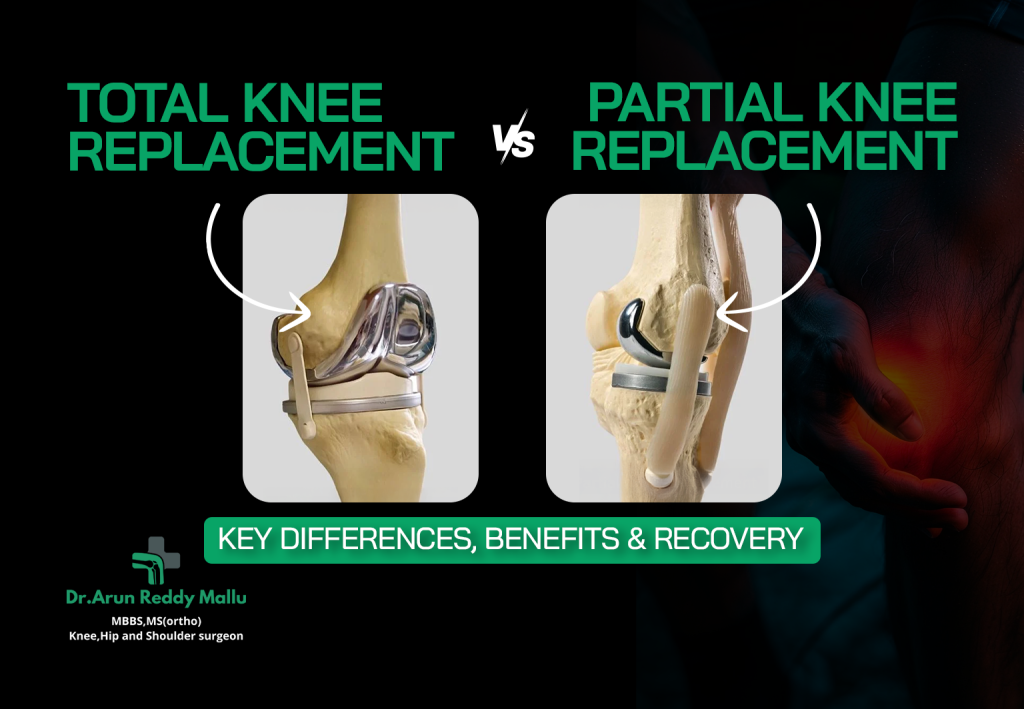
Total Knee Replacement vs Partial Knee Replacement – Key Differences, Benefits & Recovery Knee pain caused by arthritis, injury, or age-related wear and tear can make daily activities difficult. When conservative treatments like physiotherapy, medications, or injections no longer provide relief, knee replacement surgery becomes a highly effective option. But here’s where many patients pause — should you go for a Total Knee Replacement (TKR) or a Partial Knee Replacement (PKR)? Understanding the differences between these two procedures, their benefits, and recovery timelines can help you make an informed decision. In this article, we’ll break it down, with expert insights from Dr. Arun Reddy Mallu, an experienced orthopaedic and joint replacement surgeon at Continental Hospitals. What is Total Knee Replacement (TKR)? Total Knee Replacement involves replacing all three compartments of the knee — the medial (inner), lateral (outer), and patellofemoral (kneecap) areas. This is the preferred approach when arthritis or damage is widespread across the entire joint. Procedure Overview: The damaged bone and cartilage are removed from the femur (thigh bone), tibia (shin bone), and patella. Artificial components made of metal and high-grade plastic are implanted. The alignment of the joint is corrected for smoother, pain-free movement. When It’s Recommended: Advanced osteoarthritis affecting all knee compartments. Severe deformity of the knee joint. Major joint instability and stiffness. Previous unsuccessful partial replacement or other knee surgeries. What is Partial Knee Replacement (PKR)? Partial Knee Replacement, also called unicompartmental knee replacement, involves replacing only the damaged section of the knee. The healthy cartilage and bone are preserved, which allows for a more natural knee function post-surgery. Procedure Overview: Only the affected compartment (most often the medial side) is resurfaced. A smaller incision is used compared to TKR. Preserves more of the patient’s natural knee structure. When It’s Recommended: Damage or arthritis is limited to a single knee compartment. Good overall knee stability and alignment. Adequate range of motion is still present. Patients who are younger or more active may benefit from preserving natural joint tissue. Benefits of Total Knee Replacement Comprehensive Solution– Ideal for patients with extensive joint damage. Long-Lasting Results– Modern implants can last decades with proper care. Corrects Major Deformities– Improves alignment and stability. High Success Rate– TKR is one of the most successful orthopaedic surgeries worldwide. Benefits of Partial Knee Replacement Less Invasive– Smaller incision, less trauma to surrounding tissues. Faster Recovery– Many patients resume daily activities sooner. Better Range of Motion– Preserves healthy bone, ligaments, and cartilage. More Natural Feel– Knee often feels closer to the patient’s original joint. Recovery Process: What to Expect Whether you undergo TKR or PKR, recovery is a crucial part of the journey. According to Dr. Arun Reddy Mallu, “Your commitment to post-surgery rehabilitation plays as big a role in the outcome as the surgery itself.” Hospital Stay TKR: Typically 3–5 days. PKR: 1–3 days; some patients are discharged the next day. Initial Recovery (First 2 Weeks) Pain management with prescribed medication. Use of walking aids like crutches or a walker. Gentle physiotherapy starts within 24 hours to maintain mobility. Rehabilitation (Weeks 3–8) Focus on strengthening surrounding muscles. Gradual increase in walking distance and range-of-motion exercises. For PKR, patients may be walking unaided in 3–4 weeks; for TKR, it can take 6–8 weeks. Long-Term Recovery (3–12 Months) Continued improvement in strength and flexibility. Most TKR patients resume normal activities by 3 months, but full recovery can take up to a year. PKR patients often reach full recovery earlier, though durability may vary. Potential Risks and Considerations Like any surgery, knee replacement carries some risks: Infection Blood clots Implant loosening or wear Nerve injury Need for revision surgery However, with advancements in surgical techniques, patient-specific planning, and robotic-assisted procedures, these risks are lower than ever. Dr. Arun Reddy Mallu emphasises that selecting the right type of replacement is key to minimising long-term complications. Robotic-Assisted Knee Replacement: A Modern Advantage Robotic technology is increasingly being used in both TKR and PKR. It allows for: Greater surgical precision. Customised implant positioning. Better alignment, which may improve implant longevity. Dr. Arun Reddy Mallu is known for incorporating advanced techniques, including robotic-assisted surgery, to improve patient outcomes and reduce recovery times. How to Choose Between TKR and PKR The choice depends on: Extent of Joint Damage– If only one compartment is affected, PKR might be sufficient. Age & Activity Level– Younger, active patients may benefit from PKR, but risk of future surgeries exists. Overall Health– Patients with poor bone quality or significant deformities may require TKR. Surgeon’s Assessment– An experienced orthopaedic surgeon like Dr. Arun Reddy Mallu can evaluate X-rays, MRI scans, and physical examination results to recommend the best approach. Life After Knee Replacement Post-surgery, most patients experience: Significant pain reduction. Improved walking ability and mobility. Enhanced quality of life — from climbing stairs to returning to hobbies. However, knee replacements are not a free pass to high-impact sports. Activities like running or jumping should be avoided to prolong implant life. Low-impact exercises such as swimming, cycling, and yoga are encouraged. Conclusion Both Total Knee Replacement and Partial Knee Replacement are highly effective solutions for relieving chronic knee pain and restoring mobility. The main difference lies in the extent of damage being treated — TKR addresses the entire joint, while PKR focuses on one compartment. If you’re struggling with persistent knee pain, consult an experienced orthopaedic specialist Dr. Arun Reddy Mallu. With proper evaluation, the right surgical choice, and a dedicated rehabilitation plan, you can look forward to walking, climbing stairs, and enjoying an active life again — free from the limitations of knee pain. Consult Dr. Arun Reddy Mallu at Continental Hospitals to determine whether Total or Partial Knee Replacement is the best fit for your needs.
Which Type of Knee Replacement Is Right for You?
Which Type of Knee Replacement Is Right for You? Knee pain is one of the most common orthopedic issues affecting millions of people worldwide, especially those over the age of 50. When conservative treatments like physical therapy, medications, or lifestyle modifications fail to bring relief, knee replacement surgery becomes a viable and effective option. But not all knee replacements are the same. Understanding the types of knee replacement surgeries available and their suitability based on individual needs is crucial to making an informed decision. In this article, we’ll explore the different types of knee replacements, their advantages and limitations, and help you figure out which one might be right for you. Why Do You Need Knee Replacement? Knee replacement, or knee arthroplasty, is typically recommended for people who suffer from: Osteoarthritis Rheumatoid arthritis Post-traumatic arthritis Severe knee injury or deformity. The goal of the surgery is to relieve pain, restore mobility, and improve the quality of life by replacing the damaged parts of the knee joint with artificial implants. Types of Knee Replacement Surgeries There are four main types of knee replacement surgeries: Total Knee Replacement (TKR) This is the most common type of knee replacement. In this procedure, both sides of the knee joint (the femur and the tibia) are resurfaced with metal and plastic components. Sometimes, the underside of the kneecap is also replaced. Who it’s best for: Patients with severe osteoarthritis Those with extensive joint damage Individuals who have tried non-surgical options without success. Advantages: Long-lasting results (15–20 years or more) High success rate Improved mobility and pain relief. Considerations: Longer recovery period More invasive than partial replacements Partial Knee Replacement (PKR) Also known as unicompartmental knee replacement, this procedure involves replacing only the damaged part of the knee, usually either the inner (medial) or outer (lateral) compartment. Who it’s best for: Patients with arthritis confined to one part of the knee Advantages: Shorter hospital stay and quicker recovery Less blood loss and reduced risk of infection More natural knee function after surgery. Considerations: Not suitable for those with widespread joint damage May need conversion to total knee replacement in the future. Kneecap Replacement (Patellofemoral Arthroplasty) This procedure involves replacing only the underside of the kneecap and the groove it sits in. It’s relatively rare and typically performed in patients who have arthritis limited to the kneecap. Who it’s best for: Individuals with isolated patellofemoral arthritis Younger patients with early-stage disease. Advantages: Minimally invasive Preserves healthy bone and ligaments Fast recovery and natural motion. Considerations: Limited long-term success Not suitable for patients with arthritis in other parts of the knee. Revision Knee Replacement This is a repeat surgery for patients who previously had a knee replacement that has worn out, failed, or become infected. Who it’s best for: Individuals with implant loosening, wear, or infection Patients with persistent pain or instability after a primary knee replacement. Advantages: Restores function when the first implant fails Addresses complications from the initial surgery. Considerations: Technically complex and takes longer Increased risk of complications Requires an experienced orthopedic surgeon. Customizing Your Knee Replacement Every patient’s condition is unique. Factors like age, weight, activity level, overall health, and severity of arthritis will influence the choice of knee replacement. Modern knee surgeries can also be tailored further with techniques like: Robotic-Assisted Knee Replacement This advanced technology uses a robotic arm to help the surgeon perform highly accurate and customized bone cuts. It improves implant alignment and reduces variability. Benefits: Greater precision Reduced soft tissue damage Faster recovery and less post-op pain. Note: Robotic technology is used in both total and partial knee replacements and is especially helpful in younger, active patients or those with complex anatomy. Minimally Invasive Knee Replacement This technique uses smaller incisions and avoids cutting muscles, resulting in faster recovery and less post-surgical pain. However, it’s suitable only for selected candidates and requires a skilled surgeon How to Decide Which One Is Right for You? Here are a few guiding factors to help you understand which type of knee replacement may suit your condition: Criteria Best Option Widespread arthritis damage Total Knee Replacement Localized damage to one compartment Partial Knee Replacement Arthritis limited to kneecap area Kneecap Replacement Prior knee surgery failure Revision Knee Replacement Desire for quicker recovery and precision Robotic-Assisted Surgery It’s essential to consult with an orthopedic surgeon who can evaluate your joint structure through X-rays, MRIs, and physical examination. Dr. Arun Reddy Mallu, a renowned knee specialist, often stresses the importance of a thorough assessment before choosing the right surgical option for long-term success. What to Expect After Knee Replacement Regardless of the type of surgery, a structured rehabilitation plan is vital for recovery. You can expect: Pain management through medications and ice packs Physical therapy for strengthening and range of motion Use of crutches or walkers for a few weeks Return to routine activities within 6 to 12 weeks Full recovery can take up to 6 months for total knee replacements, while partial procedures may see quicker results. Lifestyle changes like maintaining a healthy weight, staying active with low-impact exercises (like walking, cycling, or swimming), and regular follow-ups can extend the life of your implant. Risks and Complications While knee replacement surgeries are generally safe and successful, they still carry certain risks: Infection Blood clots Implant loosening or wear Nerve injury Persistent stiffness or pain Choosing an experienced surgeon and following post-op care instructions carefully can significantly reduce these risks. Patients under the care of experts Dr. Arun Reddy Mallu often benefit from personalized surgical planning and comprehensive post-surgery guidance. Conclusion Choosing the right type of knee replacement surgery is a highly individual decision that depends on your health status, lifestyle, and goals. Whether it’s a total replacement or a minimally invasive partial procedure, advances in medical technology now offer better outcomes and faster recovery times than ever before. The key to a successful knee replacement lies not only in selecting the appropriate procedure but also in partnering with an experienced orthopedic surgeon who can guide you through the entire process—from diagnosis to full recovery.
ACL Tear Recovery: Is Surgery Always Necessary?
ACL Tear Recovery: Is Surgery Always Necessary? An anterior cruciate ligament (ACL) tear is one of the most common knee injuries, especially among athletes and active individuals. Whether it’s a sudden twist on the football field or an awkward landing during a workout, ACL injuries can be painful and debilitating. One of the most common questions patients ask after such an injury is: “Do I really need surgery?” The answer isn’t always black and white. ACL tear treatment varies depending on the severity of the injury, patient’s lifestyle, age, physical demands, and long-term goals. Let’s explore when surgery might be necessary, and when conservative management might work just as well. What Is an ACL Tear? The anterior cruciate ligament (ACL) is a strong band of tissue that connects the thigh bone (femur) to the shinbone (tibia). It plays a crucial role in stabilizing the knee, especially during sudden movements like pivoting, jumping, or changing direction. ACL injuries usually occur due to: Sports like football, basketball, or soccer Accidental falls Sudden stops or direction changes Collisions or trauma Symptoms often include: A popping sound at the time of injury Swelling within a few hours Instability or the knee giving out Loss of full range of motion Pain during movement ACL injuries are graded into: Grade 1 (Mild): The ligament is stretched but not torn. Grade 2 (Moderate): Partial tear of the ligament. Grade 3 (Severe): Complete tear of the ligament. Is Surgery Always Necessary? Not necessarily. While ACL reconstruction surgery is a common and effective solution, it is not required in every case. Non-Surgical (Conservative) Treatment For individuals who are: Older or less physically active Not involved in sports or heavy labor Experiencing only a partial tear Willing to adapt their lifestyle Conservative treatment might be a viable path. This includes: Rest and Ice: To reduce swelling and pain Physical therapy: Focused on strengthening surrounding muscles (especially quadriceps and hamstrings) Bracing: To support the knee during movement Activity modification: Avoiding high-risk activities that stress the knee Dr. Arun Reddy Mallu, a well-known orthopedic surgeon in Hyderabad, mentions that “In some cases, particularly with older adults or non-athletes, conservative treatment can help manage symptoms effectively and restore a good level of functionality.” However, conservative treatment is not for everyone. If instability persists or quality of life is affected, surgery might become necessary later on. Surgical Treatment – When It’s Recommended ACL surgery involves reconstructing the torn ligament using a graft (either from your own body or a donor). Surgery is often recommended in the following scenarios: Complete ACL Tear (Grade 3)When the ligament is completely torn, it is unlikely to heal on its own. Knee InstabilityIf your knee continues to “give out” or feels unstable during daily activities or workouts. Active LifestyleAthletes or individuals engaged in high-impact sports typically require a stable knee, making surgery essential. Associated InjuriesIf the ACL tear is accompanied by injuries to the meniscus, cartilage, or other ligaments. Desire to Return to SportsSurgical repair provides the best chance for full recovery and return to high-performance sports. What Happens If You Avoid Surgery? Choosing to skip surgery may be appropriate in certain cases, but it comes with risks: Chronic knee instability Damage to other structures (meniscus or cartilage) Early onset of osteoarthritis Persistent pain or swelling Reduced ability to engage in physical activities However, with proper physical therapy and a willingness to modify activities, many people do lead a pain-free life without surgery. Role of Rehabilitation in ACL Recovery Whether or not surgery is performed, rehabilitation is essential to restore: Strength Flexibility Balance Functionality Key components of ACL rehab include: Weight-bearing exercises Range of motion training Neuromuscular re-education Sport-specific training (if needed) Real-Life Examples Case 1: A 45-year-old yoga instructor sustained a partial ACL tear. She opted for conservative management with physical therapy and successfully resumed teaching within 3 months. Case 2: A 19-year-old college football player with a complete ACL tear underwent surgical reconstruction under Dr. Arun Reddy Mallu’s care and returned to the field in 10 months with full strength and stability. Case 3: A 60-year-old retired teacher with knee instability chose non-surgical treatment, but eventually required surgery due to repeated episodes of knee buckling. These cases highlight the importance of personalized treatment decisions, guided by an experienced orthopedic specialist. Final Thoughts from Dr. Arun Reddy Mallu When asked whether surgery is always necessary, Dr. Arun Reddy Mallu explains, No, not every ACL tear requires surgery. The decision should be based on the patient’s goals, activity levels, and overall joint health. It’s essential to weigh the risks and benefits with your doctor before choosing the path that’s best for you. He also stresses the importance of early diagnosis and timely intervention, whether surgical or not. The longer an unstable knee goes untreated, the greater the risk of secondary damage and complications. Conclusion: Choose What’s Best for You An ACL tear can be a life-changing injury, but surgery isn’t always the only option. For some, conservative treatment may be enough to restore mobility and manage pain. For others—especially athletes or those with complete tears—surgical reconstruction may be the best route to regain full function. Ultimately, the goal is not just healing the ligament, but restoring your quality of life. Consult Dr. Arun Reddy Mallu at Continental Hospitals for a recovery plan tailored to your lifestyle and goals
Robotic vs Manual Knee Surgery: Which One’s Better for You?
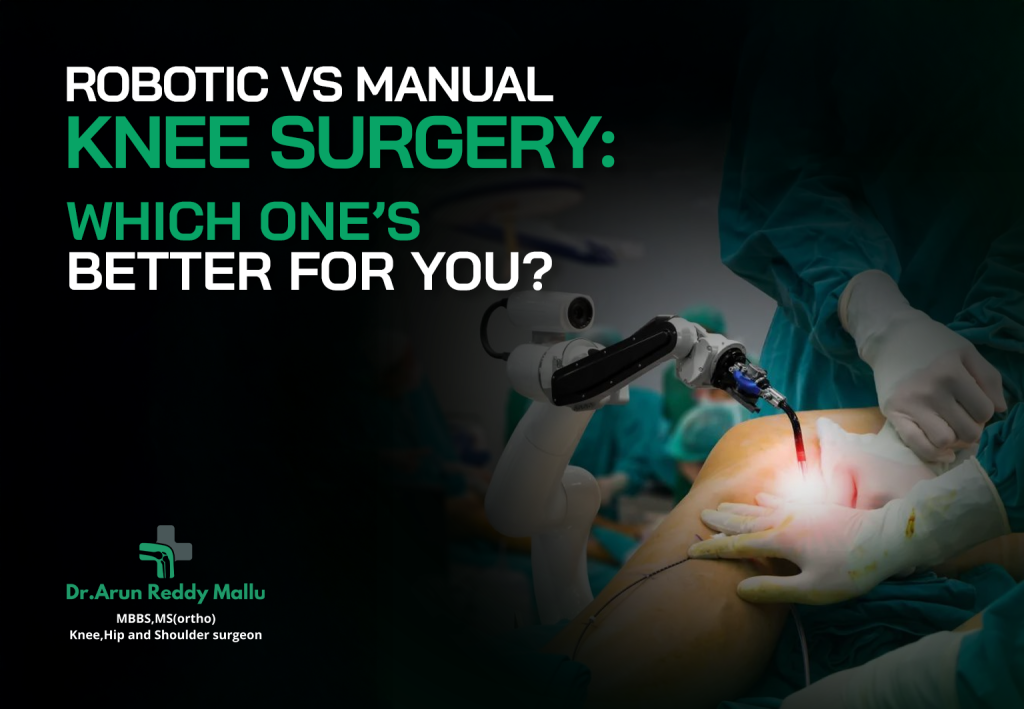
Robotic vs Manual Knee Surgery: Which One’s Better for You? When knee pain disrupts your ability to move freely or enjoy your daily life, knee replacement surgery becomes a promising solution. But with medical advancements continually reshaping surgical techniques, patients are now faced with a new decision: Robotic-Assisted Knee Surgery or Traditional Manual Knee Surgery? Both techniques aim to relieve chronic knee pain, improve mobility, and restore quality of life. However, they differ significantly in precision, recovery time, technology use, and overall outcome. If you’re considering knee surgery, it’s important to understand the pros and cons of each approach to make an informed decision tailored to your needs. What Is Manual Knee Replacement Surgery? Manual knee replacement surgery is the conventional method, performed for decades by orthopedic surgeons. It involves replacing the damaged or arthritic portions of the knee joint with artificial implants. The surgeon relies on visual assessment, manual tools, and physical measurements to position the implant. Although this method has a long history of success, it does have limitations in terms of precision and consistency. Outcomes can vary based on the surgeon’s experience, skill, and judgment during surgery. What Is Robotic-Assisted Knee Surgery? Robotic knee surgery doesn’t mean a robot performs the procedure independently. Instead, it’s a tool that assists skilled surgeons At Continental Hospitals, Dr. Arun Reddy Mallu uses robotic technology, enhancing their precision. Using advanced imaging, sensors, and a robotic arm, this technique allows for customized planning and millimeter-accurate execution. The robotic system maps the patient’s anatomy in 3D before and during surgery, helping the surgeon align and position the implant more precisely than with manual techniques. Key Differences: Robotic vs Manual Knee Surgery Precision and Alignment Manual Surgery: Implant placement is guided by the surgeon’s skill, and while experienced doctors achieve good outcomes, slight variations can occur. Robotic Surgery: The technology provides enhanced accuracy, allowing Robotic knee replacement surgeon Arun Reddy Mallu to plan implant placement down to the millimeter, improving joint alignment and longevity of the implant. Advantage: Robotic surgery Customization and Planning Manual: Involves standardized tools and general anatomical guidelines. Robotic: Uses CT or 3D imaging for personalized surgical plans, taking into account the patient’s unique anatomy and movement. Advantage: Robotic surgery offers a higher level of personalization. Surgical Incision and Bone Removal Manual: Often requires larger incisions and more bone to be removed to fit the implant properly. Robotic: Enables minimally invasive procedures with precise bone cutting, preserving more of the patient’s natural structure. Advantage: Robotic surgery typically results in less tissue trauma. Postoperative Recovery and Pain Manual: Recovery can take longer with more post-operative discomfort due to higher tissue trauma. Robotic: Patients generally report faster recovery, reduced pain, and a quicker return to normal activities. Advantage: Robotic surgery Surgical Consistency and Outcomes Manual: Results can vary between surgeons and even between procedures performed by the same surgeon. Robotic: Offers standardized precision across procedures, reducing variability. Advantage: Robotic surgery ensures consistency and predictable outcomes. Surgeon’s Expertise Still Matters While robotic systems provide better tools, they don’t replace the expertise of a skilled orthopedic surgeon. This is why choosing the right surgeon— Dr. Arun Reddy Mallu, who is experienced in both manual and robotic knee replacement—is crucial. His ability to combine clinical judgment with advanced technology ensures optimal outcomes. Which One Is Better for You? The decision depends on various factors, including: Your age and activity level The severity of your knee damage The condition of your bones and tissues Cost considerations The availability of robotic systems in your chosen hospital Your surgeon’s recommendation Robotic surgery is particularly beneficial for younger or more active patients who want the best alignment possible for long-term implant durability. It’s also ideal for patients looking for quicker recovery and minimal pain post-surgery. However, manual surgery remains a reliable and effective choice, especially in settings where robotic systems may not be accessible or when performed by a highly skilled surgeon. Common Myths About Robotic Knee Surgery Myth 1: A robot does the surgery alone. Reality: The surgeon controls the procedure at every step. The robot is just an advanced tool that enhances precision. Myth 2: Robotic surgery is risk-free. Reality: While robotic-assisted surgery reduces some risks, no surgery is without complications. But in experienced hands those of Dr. Arun Reddy Mallu, risks are minimized, and success rates are high. Myth 3: Recovery is instant with robotic surgery. Reality: While recovery can be faster, it still requires physiotherapy, rest, and care. Your body needs time to adapt to the new joint. Cost Considerations Robotic surgery can be slightly more expensive than manual due to the advanced technology and equipment involved. However, many patients find the investment worthwhile due to quicker recovery and fewer complications. Health insurance may cover part of the cost—be sure to consult your provider. Discuss the cost breakdown and benefits directly with your orthopedic specialist, such as At continental hospitals, Dr Arun Reddy Mallu uses MISSO robot, who can guide you based on your personal health goals and financial situation. Final Thoughts Which One Is Better? Robotic knee replacement surgery offers several advantages over traditional manual surgery, including greater precision, quicker recovery, less pain, and better implant alignment. However, manual surgery remains a proven option with decades of successful outcomes behind it. The best choice ultimately comes down to your individual condition, your health goals, and your surgeon’s recommendation. For the most accurate assessment, consult a trusted and experienced orthopedic surgeon. Dr. Arun Reddy Mallu, known for his expertise in advanced knee replacement techniques, can help you weigh your options and guide you toward the most effective treatment plan tailored to your lifestyle. Ready to Take the Next Step? If you’re struggling with chronic knee pain and want to explore your surgical options, consider booking a consultation with joint replacement surgeon Dr Arun Reddy Mallu . Whether you’re a candidate for robotic or manual knee surgery, his expertise ensures you’ll receive the highest standard of care, every step of the way. Dr. Arun Reddy Mallu at Continental Hospitals offers advanced
What Influences the Success of Knee Replacement Surgery?
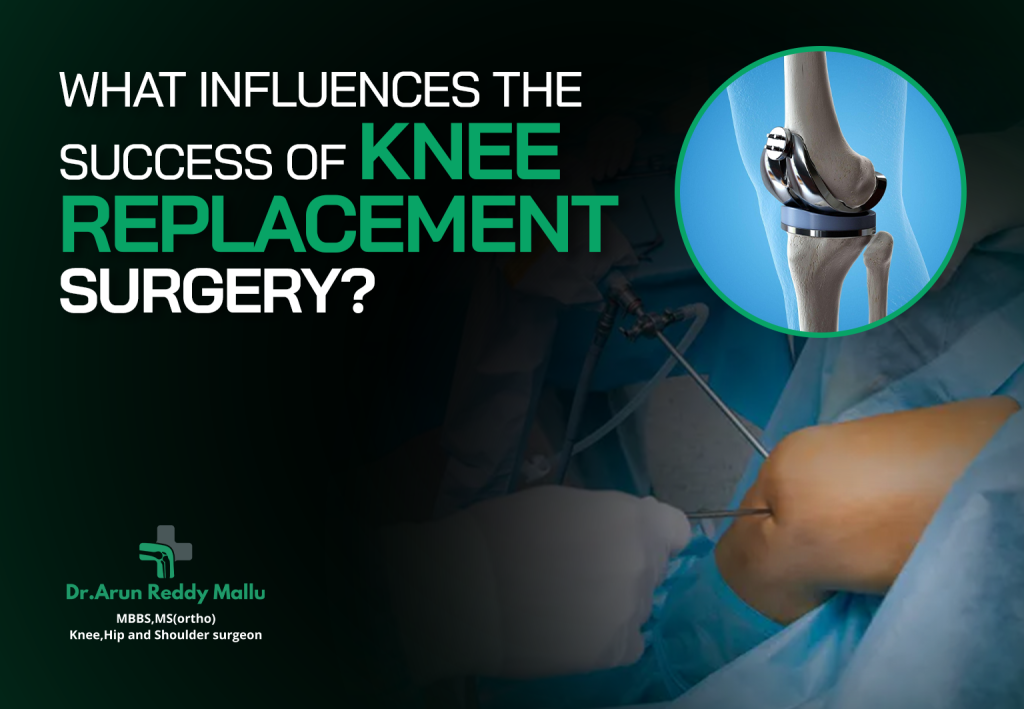
What Influences the Success of Knee Replacement Surgery? Knee replacement surgery, is a widely performed procedure that has helped millions of individuals regain mobility and lead pain-free lives. It is primarily recommended for patients suffering from severe osteoarthritis, rheumatoid arthritis, or traumatic joint injuries that no longer respond to non-surgical treatments like physiotherapy or medications. While the success rate of knee replacement surgery is high, outcomes can vary depending on several key factors. These include the patient’s overall health, the expertise of the surgeon, the type of implant used, and the effectiveness of rehabilitation. What Is Knee Replacement Surgery? Knee replacement surgery involves removing the damaged portions of the knee joint and replacing them with artificial components made from metal and plastic. These components are designed to replicate the movement of a healthy knee, reduce pain, and restore function. There are two main types of procedures: Total Knee Replacement (TKR):Replacement of the entire joint. Partial Knee Replacement (PKR):Replacement of only the damaged part of the joint, leaving healthy areas intact. The procedure chosen depends on the extent of joint damage and the patient’s activity level, age, and overall health. How Is Success Measured? A successful knee replacement is not just about how well the surgery is performed, but also about the long-term outcome. Key indicators of success include: Relief from chronic knee pain Improved joint function and flexibility Long-lasting performance of the implant (15–20+ years) High patient satisfaction Ability to return to daily activities or moderate exercise Renowned orthopedic surgeon Dr. Arun Reddy Mallu notes that successful outcomes also depend on patient commitment to recovery and follow-up care, not just surgical precision. Factors That Influence the Success of Knee Replacement Surgery Patient’s Overall Health Patients with chronic conditions like diabetes, heart disease, or autoimmune disorders may face slower healing or a higher risk of infection. Preoperative assessments are crucial to prepare the body for surgery and reduce risks. Maintaining good general health before surgery—including quitting smoking, managing weight, and controlling blood sugar—is essential to ensure optimal recovery. Body Weight and Fitness Level Higher body weight places increased stress on the knee joint, which can affect implant durability. Obese patients may also face a longer recovery timeline and a greater risk of complications such as infection or implant loosening. Surgeons often recommend weight loss and strengthening exercises before surgery to improve surgical outcomes and post-surgery performance. Age and Activity Knee replacement can be performed at any age, but most patients are between 55 and 75 years old. Younger, more active patients may put more stress on their implants, requiring revision surgery later in life. Older patients, on the other hand, may have more moderate expectations and lower-impact lifestyles, which may lead to longer-lasting results. Extent of Knee Damage The condition of the joint and surrounding tissues prior to surgery also influences success. Severe deformities, loss of muscle strength, or stiffness in the knee can make surgery more complex and prolong recovery. Early intervention can prevent further joint damage and may improve surgical outcomes. Surgical Skill and Experience The experience and technique of the orthopedic surgeon is one of the most critical success factors. Proper alignment, implant placement, and attention to detail can prevent early wear or imbalance in the joint. Patients are encouraged to choose a specialist with a strong track record in joint replacement. For example, Dr. Arun Reddy Mallu, a respected name in knee and joint surgeries, combines surgical precision with a patient-focused approach to deliver long-term results. Type and Quality of Implant Modern implants are designed to mimic the natural movement of the knee and are made of highly durable materials like cobalt-chromium or titanium alloys. The choice of implant should be customized based on the patient’s age, activity level, and anatomy. While no implant lasts forever, most high-quality prosthetics function well for 15–20 years or more. Postoperative Rehabilitation Recovery doesn’t end in the operating room. A structured rehabilitation plan is crucial for regaining strength, flexibility, and confidence. Patients who attend regular physiotherapy sessions and stay active typically recover faster and achieve better long-term function. Those who neglect rehab may face stiffness, pain, or reduced mobility. Pain Management and Follow-Up Care Controlling pain after surgery allows patients to begin rehabilitation sooner and more comfortably. Medications, ice therapy, and guided movement all help manage pain effectively. Follow-up appointments are also essential to track healing, ensure proper implant positioning, and catch potential issues early. Lifestyle Modifications Post-Surgery Making certain lifestyle changes after surgery can greatly extend the life of the implant. Patients are advised to: Avoid high-impact sports like running or jumping Focus on low-impact exercises such as walking, swimming, or cycling Maintain a healthy weight Keep up with annual orthopedic checkups Consistent care and sensible activity choices are key to preserving joint function. Common Challenges After Knee Replacement Despite the high success rate, some patients may experience: Infection at the surgical site Blood clots Implant loosening or wear Ongoing stiffness or pain These issues are rare but can usually be managed if detected early. That’s why ongoing communication with your orthopedic surgeon is important. Conclusion Knee replacement surgery offers lasting relief from pain and significantly improves quality of life for people with severe joint problems. However, the success of the procedure depends on multiple factors—including the patient’s health, their commitment to recovery, and the skill of the surgeon. By working with an experienced specialist like Dr. Arun Reddy Mallu, following medical advice, and staying consistent with post-surgery rehabilitation, patients can expect excellent results and a much-improved lifestyle. Receive top-quality knee replacement treatment and expert care from Dr. Arun Reddy Mallu at Continental Hospitals.