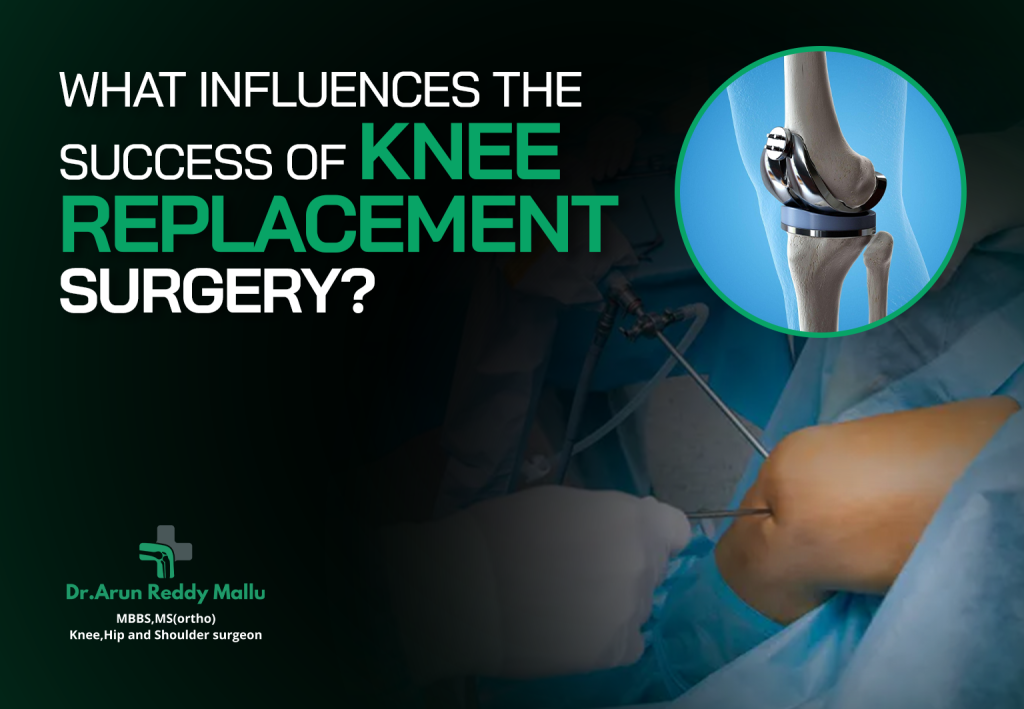
What Influences the Success of Knee Replacement Surgery?
Knee replacement surgery, is a widely performed procedure that has helped millions of individuals regain mobility and lead pain-free lives. It is primarily recommended for patients suffering from severe osteoarthritis, rheumatoid arthritis, or traumatic joint injuries that no longer respond to non-surgical treatments like physiotherapy or medications.
While the success rate of knee replacement surgery is high, outcomes can vary depending on several key factors. These include the patient’s overall health, the expertise of the surgeon, the type of implant used, and the effectiveness of rehabilitation.
What Is Knee Replacement Surgery?
Knee replacement surgery involves removing the damaged portions of the knee joint and replacing them with artificial components made from metal and plastic. These components are designed to replicate the movement of a healthy knee, reduce pain, and restore function.
There are two main types of procedures:
- Total Knee Replacement (TKR):Replacement of the entire joint.
- Partial Knee Replacement (PKR):Replacement of only the damaged part of the joint, leaving healthy areas intact.
The procedure chosen depends on the extent of joint damage and the patient’s activity level, age, and overall health.
How Is Success Measured?
A successful knee replacement is not just about how well the surgery is performed, but also about the long-term outcome. Key indicators of success include:
- Relief from chronic knee pain
- Improved joint function and flexibility
- Long-lasting performance of the implant (15–20+ years)
- High patient satisfaction
- Ability to return to daily activities or moderate exercise
Renowned orthopedic surgeon Dr. Arun Reddy Mallu notes that successful outcomes also depend on patient commitment to recovery and follow-up care, not just surgical precision.
Factors That Influence the Success of Knee Replacement Surgery
- Patient’s Overall Health
Patients with chronic conditions like diabetes, heart disease, or autoimmune disorders may face slower healing or a higher risk of infection. Preoperative assessments are crucial to prepare the body for surgery and reduce risks.
Maintaining good general health before surgery—including quitting smoking, managing weight, and controlling blood sugar—is essential to ensure optimal recovery.
- Body Weight and Fitness Level
Higher body weight places increased stress on the knee joint, which can affect implant durability. Obese patients may also face a longer recovery timeline and a greater risk of complications such as infection or implant loosening.
Surgeons often recommend weight loss and strengthening exercises before surgery to improve surgical outcomes and post-surgery performance.
- Age and Activity
Knee replacement can be performed at any age, but most patients are between 55 and 75 years old. Younger, more active patients may put more stress on their implants, requiring revision surgery later in life. Older patients, on the other hand, may have more moderate expectations and lower-impact lifestyles, which may lead to longer-lasting results.
- Extent of Knee Damage
The condition of the joint and surrounding tissues prior to surgery also influences success. Severe deformities, loss of muscle strength, or stiffness in the knee can make surgery more complex and prolong recovery.
Early intervention can prevent further joint damage and may improve surgical outcomes.
- Surgical Skill and Experience
The experience and technique of the orthopedic surgeon is one of the most critical success factors. Proper alignment, implant placement, and attention to detail can prevent early wear or imbalance in the joint.
Patients are encouraged to choose a specialist with a strong track record in joint replacement. For example, Dr. Arun Reddy Mallu, a respected name in knee and joint surgeries, combines surgical precision with a patient-focused approach to deliver long-term results.
- Type and Quality of Implant
Modern implants are designed to mimic the natural movement of the knee and are made of highly durable materials like cobalt-chromium or titanium alloys. The choice of implant should be customized based on the patient’s age, activity level, and anatomy.
While no implant lasts forever, most high-quality prosthetics function well for 15–20 years or more.
- Postoperative Rehabilitation
Recovery doesn’t end in the operating room. A structured rehabilitation plan is crucial for regaining strength, flexibility, and confidence.
Patients who attend regular physiotherapy sessions and stay active typically recover faster and achieve better long-term function. Those who neglect rehab may face stiffness, pain, or reduced mobility.
- Pain Management and Follow-Up Care
Controlling pain after surgery allows patients to begin rehabilitation sooner and more comfortably. Medications, ice therapy, and guided movement all help manage pain effectively.
Follow-up appointments are also essential to track healing, ensure proper implant positioning, and catch potential issues early.
- Lifestyle Modifications Post-Surgery
Making certain lifestyle changes after surgery can greatly extend the life of the implant. Patients are advised to:
- Avoid high-impact sports like running or jumping
- Focus on low-impact exercises such as walking, swimming, or cycling
- Maintain a healthy weight
- Keep up with annual orthopedic checkups
Consistent care and sensible activity choices are key to preserving joint function.
Common Challenges After Knee Replacement
Despite the high success rate, some patients may experience:
- Infection at the surgical site
- Blood clots
- Implant loosening or wear
- Ongoing stiffness or pain
These issues are rare but can usually be managed if detected early. That’s why ongoing communication with your orthopedic surgeon is important.
Conclusion
Knee replacement surgery offers lasting relief from pain and significantly improves quality of life for people with severe joint problems. However, the success of the procedure depends on multiple factors—including the patient’s health, their commitment to recovery, and the skill of the surgeon.
By working with an experienced specialist like Dr. Arun Reddy Mallu, following medical advice, and staying consistent with post-surgery rehabilitation, patients can expect excellent results and a much-improved lifestyle.
Receive top-quality knee replacement treatment and expert care from Dr. Arun Reddy Mallu at Continental Hospitals.