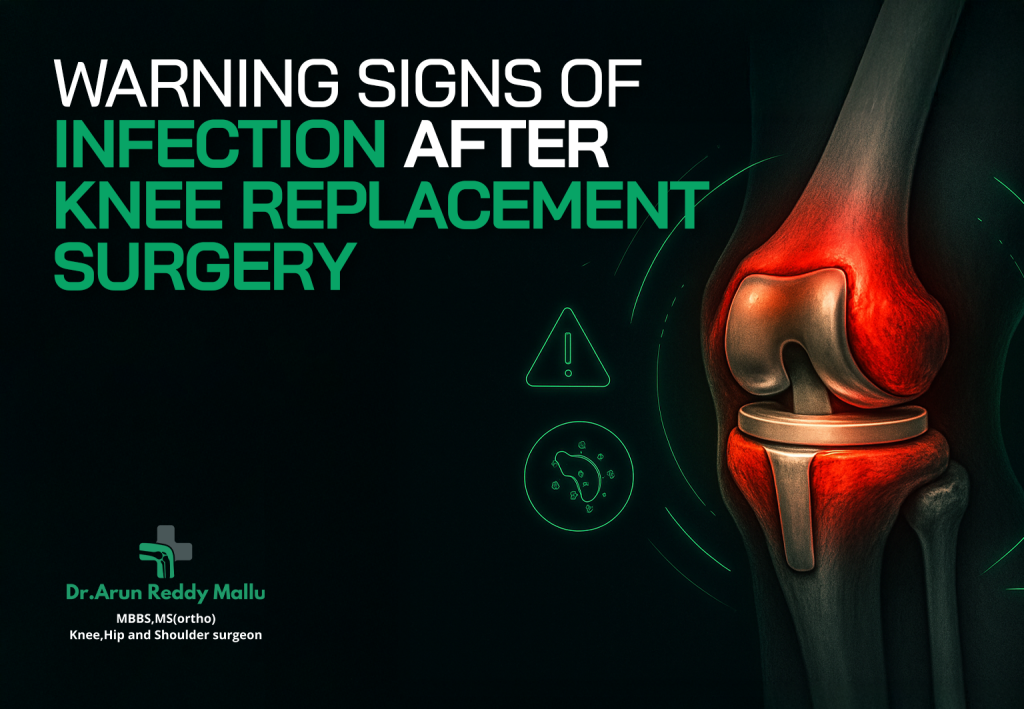
Warning Signs of Infection After Knee Replacement Surgery
Knee replacement surgery, also known as knee arthroplasty, is one of the most commonly performed orthopedic surgeries today, offering relief to millions suffering from arthritis, chronic pain, or knee injuries. While the procedure itself has a high success rate, one of the major concerns after knee replacement surgery is the risk of infection. Infection can complicate recovery and may lead to serious health issues if not detected and treated early.
In this blog post, we will discuss the warning signs of infection after knee replacement surgery, the factors that increase the risk of infection, and the necessary steps to take if you suspect an infection. We’ll also highlight the expertise of Dr. Arun Reddy Mallu at Continental Hospital, a renowned orthopedic specialist, who can help you navigate post-surgery recovery safely and effectively.
Why Is Infection a Concern After Knee Replacement Surgery?
Infections following knee replacement surgeries can range from mild to severe and can occur at different stages of the healing process. An infection might affect the incision site (superficial infection) or, in more serious cases, the artificial joint (deep infection), which can be difficult to treat and might require additional surgery. The risk of infection is always present after surgery, but understanding the early warning signs can significantly improve your chances of successful treatment.
The body typically fights infections with its immune system, but surgical interventions—like knee replacements—can introduce bacteria into the body. This can happen if proper sterile techniques aren’t followed during surgery, if the incision site is exposed to germs during the recovery period, or if the patient’s immune system is compromised in any way.
Early Warning Signs of Infection After Knee Replacement Surgery
- Redness and Swelling Around the Surgical Site
After knee replacement surgery, some swelling is expected as part of the normal healing process. However, if the swelling worsens or the skin around the incision turns red or hot to the touch, it could indicate an infection. This is often a sign that the body is trying to fight an infection and that the area is inflamed. You should contact your healthcare provider immediately if you notice these symptoms.
- Fever or Chills
A low-grade fever (below 101°F) is not uncommon following surgery, as it’s part of the body’s natural healing response. However, a high fever (above 101°F), or fever that persists for more than a few days, could be a sign of a systemic infection. Chills often accompany fever, and together they may indicate that an infection is present in the body.
- Increased Pain or Tenderness
While some discomfort is expected after knee replacement surgery, a sudden increase in pain or unusual tenderness around the incision site can be a warning sign. If the pain becomes more severe and is not alleviated by prescribed pain medications, or if it’s associated with any other symptoms like fever or redness, it could suggest an infection.
- Pus or Drainage from the Incision
Any discharge from the surgical site that is green, yellow, or has a foul odor is a clear sign of infection. Pus is produced by the body when it tries to fight an infection, and it often indicates the presence of bacteria. If you notice any drainage or secretion from your incision, it’s essential to seek medical attention promptly to prevent the infection from spreading.
- Limited Range of Motion
After knee replacement surgery, patients are encouraged to begin physical therapy to restore mobility. However, if you experience a sudden loss of range of motion or an inability to move the knee joint, especially along with other symptoms like fever or swelling, it could indicate an infection. The infection can cause stiffness and limit the joint’s ability to function properly.
- Unusual Odor
An unpleasant smell emanating from the surgical site is another potential warning sign of infection. When bacteria invade the surgical area, they can cause an infection that leads to an unpleasant odor as the body fights the infection.
- Fatigue or Malaise
Post-surgery fatigue is normal, but if you feel excessively tired or unwell—especially if you’re also experiencing fever, redness, or swelling—it could be a sign that your body is fighting an infection. Malaise, a general feeling of being unwell, can often accompany an infection, so it’s important to monitor how you feel in the days following surgery.
- Worsening of Pre-existing Symptoms
In some cases, infection after knee replacement can worsen the symptoms that prompted the surgery in the first place. If your pain, discomfort, or inability to use your knee increases or if new symptoms arise, it’s crucial to reach out to your healthcare provider.
Factors That Increase the Risk of Infection
While infection can happen to anyone after knee replacement surgery, several factors can increase the risk. Some of these factors include:
- Pre-existing Medical Conditions: Conditions like diabetes, uncontrolled diabetes, rheumatoid arthritis, or immunocompromised states (due to medications or treatments) can make it more difficult for the body to fight off infection.
- Obesity: Excess weight puts additional strain on the knee and can also make healing more challenging, increasing the risk of infection.
- Chronic Smoking:Smoking impairs blood circulation, delays wound healing, and weakens the immune system, making smokers more susceptible to infections after surgery.
- Poor Hygiene or Incision Care: If the surgical site isn’t properly cleaned or protected, bacteria can easily enter the incision, leading to infection.
- Previous Joint Infections: If you’ve had a prior infection in the joint, you may be at a higher risk for future infections after knee replacement surgery.
- Inadequate Post-Surgery Care: Failing to follow the post-surgery instructions carefully, such as taking prescribed antibiotics or avoiding activities that might stress the knee, can increase the likelihood of complications.
What to Do If You Suspect an Infection
If you suspect that you may have an infection after knee replacement surgery, it’s important to take immediate action. Here are the steps you should follow:
- Contact Your Surgeon: Reach out to your orthopedic surgeon or healthcare provider as soon as possible. If you’re under the care of Arun Reddy Malluat Continental Hospital, he and his team will guide you on the necessary steps to manage the infection. Dr. Mallu has extensive experience in post-surgical care and can provide effective treatment for infections and other complications.
- Follow Antibiotic Treatment: If an infection is confirmed, your doctor will likely prescribe antibiotics to treat the infection. It’s crucial to complete the full course of antibiotics as prescribed, even if you start to feel better before finishing the medication.
- In some cases, Surgery may be Required: If the infection is severe, it might require surgical intervention to remove infected tissue, clean the joint, or replace the artificial knee joint. Arun Reddy Mallu specializes in minimally invasive techniques and can help you navigate these advanced procedures.
- Rest and Elevate: While waiting for medical advice, it’s important to rest your knee, elevate it to reduce swelling, and avoid putting weight on the affected leg.
- Monitor Your Condition: Keep track of your symptoms and notify your healthcare provider if they worsen. Early intervention is key to preventing a more serious infection from spreading.
Conclusion
While the risk of infection following knee replacement surgery is relatively low, it is still a significant concern that requires attention and awareness. Being proactive and vigilant about the warning signs of infection can make a huge difference in the outcome of your recovery. If you experience any of the symptoms discussed in this blog post, it’s crucial to contact your healthcare provider immediately.
Under the expert care of Dr. Arun Reddy Mallu at Continental Hospital, patients can receive the highest quality care and treatment to avoid complications like infection. Dr. Mallu’s experience and commitment to patient care ensure that you’ll have the best chance of a smooth, successful recovery after your knee replacement surgery.
Remember, while infections after knee replacement are rare, recognizing the early signs can be the key to preventing more severe complications. With the right care, you can return to your normal activities and enjoy life with a healthy, functional knee.
Watch for infection warning signs after knee replacement — consult Dr. Arun Reddy Mallu at Continental Hospital today! Call +91 9959135963.