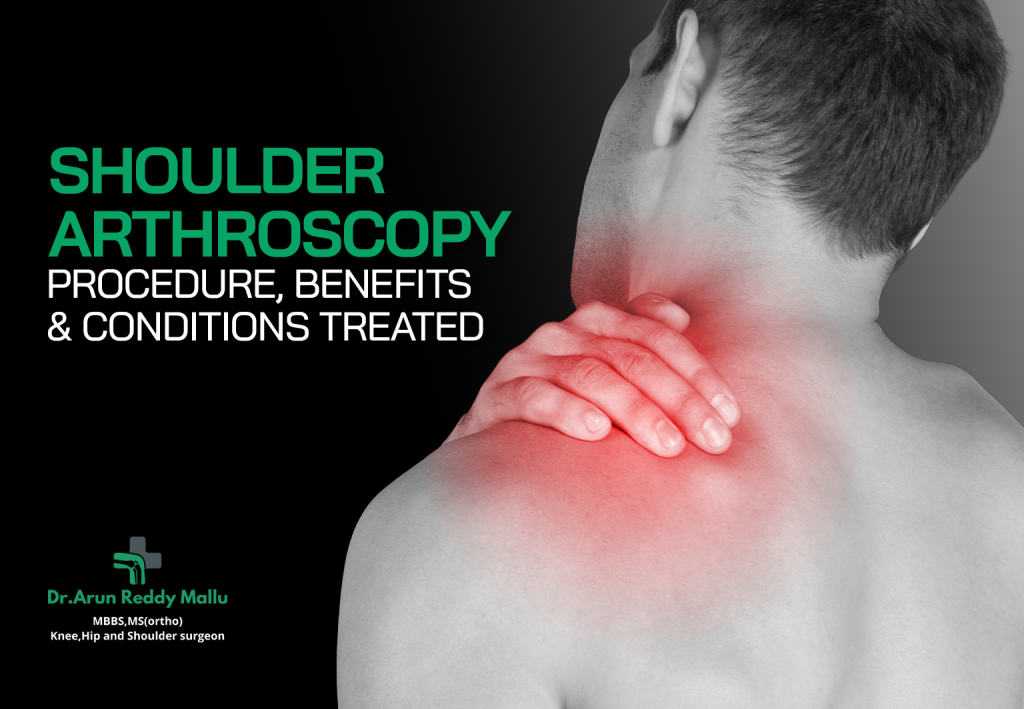
Shoulder Arthroscopy – Procedure, Benefits & Conditions Treated
Shoulder pain, stiffness, or restricted motion can severely affect your quality of life, especially if you’re active or perform repetitive arm movements. Over time, injuries, wear and tear, or degenerative changes can lead to shoulder problems that require medical attention. Fortunately, advances in orthopedic surgery have made it possible to diagnose and treat many of these conditions using a minimally invasive technique known as shoulder arthroscopy.
What Is Shoulder Arthroscopy?
Shoulder arthroscopy is a surgical procedure that allows orthopedic surgeons to view and treat the inside of the shoulder joint using a small camera called an arthroscope. Unlike traditional open surgery that requires large incisions, arthroscopy is performed through tiny keyhole-sized cuts. The arthroscope projects real-time images onto a screen, helping the surgeon see the joint structures clearly and perform repairs using miniature surgical instruments.
Because it causes less trauma to tissues, shoulder arthroscopy often leads to faster healing, smaller scars, and reduced pain compared to open surgery. It’s now one of the most common and effective procedures used to treat a wide range of shoulder conditions.
Why Is Shoulder Arthroscopy Done?
The shoulder is the most mobile joint in the body. It’s formed by the humeral head (ball) fitting into the glenoid cavity (socket) of the shoulder blade. This mobility makes it vulnerable to injury and instability. Overuse, accidents, or degeneration can damage the joint’s soft tissues — such as the rotator cuff, labrum, ligaments, tendons, and cartilage — causing pain, weakness, or restricted movement.
When conservative treatments like medication, physiotherapy, or injections fail to relieve symptoms, arthroscopy is recommended. It allows the surgeon to both diagnose and correct the problem in the same sitting, ensuring long-term relief and restoration of shoulder function.
Common Shoulder Conditions Treated with Arthroscopy
- Rotator Cuff Tears
Rotator cuff injuries are among the most frequent reasons for shoulder arthroscopy. The rotator cuff consists of four tendons that stabilize and move the shoulder joint. Tears may result from age-related degeneration or trauma.
Arthroscopic rotator cuff repair involves reattaching the torn tendon to the bone using small anchors and sutures. It restores shoulder strength, reduces pain, and improves range of motion.
- Shoulder Impingement and Bursitis
In shoulder impingement, soft tissues like tendons or the bursa become trapped under the shoulder blade, leading to inflammation and pain during movement. Arthroscopy can smooth bone edges and remove inflamed tissue (a process known as subacromial decompression) to relieve impingement.
- Labral Tears and Shoulder Instability
The labrum is a ring of cartilage that deepens the shoulder socket and keeps the joint stable. Injuries or dislocations can tear the labrum, causing instability, clicking, or recurrent shoulder dislocations. Arthroscopic labral repair reattaches the torn cartilage using sutures, restoring stability.
- Frozen Shoulder (Adhesive Capsulitis)
Frozen shoulder causes pain and stiffness due to thickening and tightening of the joint capsule. When non-surgical treatments fail, arthroscopic capsular release can loosen the tight tissues and restore mobility.
- Loose Bodies or Cartilage Damage
Small fragments of cartilage or bone may float inside the shoulder joint, causing locking or catching sensations. Arthroscopy allows for precise removal of these loose bodies and smoothing of rough cartilage.
- Biceps Tendon Disorders
Tears or inflammation of the biceps tendon can cause pain at the front of the shoulder. Arthroscopic procedures such as biceps tenodesis (reattaching the tendon) or tenotomy (releasing it) help alleviate symptoms.
- Shoulder Arthritis (Early Stages)
While advanced arthritis may require replacement surgery, early arthritis can be managed arthroscopically by cleaning the joint (debridement) and removing inflamed tissue to reduce discomfort.
Step-by-Step Overview of the Shoulder Arthroscopy Procedure
- Pre-Surgical Preparation
Before the procedure, the patient undergoes:
- Detailed physical examination
- X-rays and MRI scans to assess the shoulder
- Medical evaluation for anesthesia fitness
Patients are advised to fast before surgery and stop certain medications (like blood thinners) as per doctor’s advice.
- Anesthesia and Positioning
The surgery is typically performed under regional or general anesthesia. The patient may be placed in either the beach-chair or side-lying position, depending on the surgeon’s preference.
- Creating Portals
Small incisions (portals) are made around the shoulder. Through one incision, the arthroscope is inserted, and through others, surgical instruments are passed. Sterile fluid is used to expand the joint for better visualization.
- Diagnostic Examination
The surgeon first performs a diagnostic inspection to identify all internal damage — examining the rotator cuff, labrum, cartilage, biceps tendon, and capsule.
- Performing Repairs
Based on findings, various procedures may be carried out:
- Rotator cuff repairusing suture anchors
- Labral repairfor instability
- Subacromial decompressionto remove bone spurs
- Capsular releasefor frozen shoulder
- Debridementor tenodesis for biceps injuries
Once repairs are completed, the instruments are withdrawn, and the small incisions are closed with sutures or adhesive strips.
- Recovery and Rehabilitation
- Patients are usually discharged on the same day or the next morning.
- A sling is worn for support during the initial healing phase.
- Pain and swelling are managed with medication and ice packs.
- Physiotherapybegins within a few days to restore motion and strength.
Recovery time depends on the extent of repair — simple debridements may heal in a few weeks, while complex repairs may take 3–6 months for full recovery.
Benefits of Shoulder Arthroscopy
- Minimally Invasive– Smaller incisions mean less tissue damage and scarring.
- Reduced Pain and Swelling– Patients experience significantly less postoperative discomfort.
- Faster Recovery– Early mobilization and quicker return to daily activities.
- Lower Infection Risk– Smaller wounds reduce the risk of infection or complications.
- Improved Precision– The arthroscope provides a magnified view, allowing highly accurate repairs.
- Same-Day Discharge– Most procedures are performed as outpatient surgeries.
- Better Cosmetic Results– Tiny scars are barely noticeable.
These advantages make arthroscopy a preferred choice for both surgeons and patients.
Possible Risks and Complications
Though considered safe, shoulder arthroscopy carries some minor risks, such as:
- Temporary stiffness or restricted motion
- Bleeding or fluid accumulation
- Infection (rare)
- Nerve irritation or numbness (usually temporary)
- Re-tear or incomplete healing (in large or chronic injuries)
Following the surgeon’s rehabilitation protocol strictly can significantly minimize these risks and ensure optimal recovery.
Who Is an Ideal Candidate?
You may be a suitable candidate for shoulder arthroscopy if:
- You have persistent shoulder pain despite physiotherapy or medications
- You experience shoulder instability or frequent dislocations
- You have a rotator cuff or labral tear confirmed by MRI
- Your shoulder movement is restricted due to impingement or frozen shoulder
- You’re in generally good health and motivated to follow postoperative exercises
A detailed consultation and imaging assessment will help your orthopedic surgeon determine if arthroscopy is right for you.
Post-Surgery Care and Recovery
- Immobilization:Wear the sling as advised to protect repairs.
- Pain Management:Take prescribed pain relievers and apply ice packs.
- Exercise:Begin physiotherapy early under supervision to prevent stiffness.
- Follow-ups:Attend all scheduled visits to monitor healing.
- Lifestyle Adjustments:Avoid heavy lifting or sports until cleared by your doctor.
Most patients notice substantial improvement within 6–12 weeks, with full recovery achieved over several months.
Conclusion
Shoulder arthroscopy is a transformative surgical technique that provides lasting relief for many shoulder disorders — from rotator cuff tears and labral injuries to impingement and frozen shoulder. Its minimally invasive nature ensures quicker healing, less pain, and faster return to daily life compared to traditional open surgery.
If you’re struggling with persistent shoulder pain or limited mobility, consult Dr. Arun Reddy Mallu at Continental Hospitals, a highly experienced orthopedic and joint replacement surgeon specializing in arthroscopic and minimally invasive procedures. With advanced diagnostic expertise and personalized treatment plans, Dr. Arun Reddy Mallu ensures precise care and optimal recovery to help you regain strength, mobility, and confidence in your shoulder once again.
Shoulder Arthroscopy treatment by Dr. Arun Reddy Mallu at Continental Hospital – Book now: +91 99591 35963.