Rotator Cuff Injuries – Causes, Symptoms, and Best Treatment Options
Shoulder pain is one of the most common musculoskeletal complaints among adults, and a significant portion of these cases is linked to rotator cuff injuries. Whether you’re an athlete, someone who engages in repetitive overhead work, or simply experiencing age-related changes, rotator cuff issues can drastically affect your quality of life. Understanding the causes, recognizing the symptoms, and exploring the best treatment options are key to regaining mobility and preventing long-term damage.
What is the Rotator Cuff?
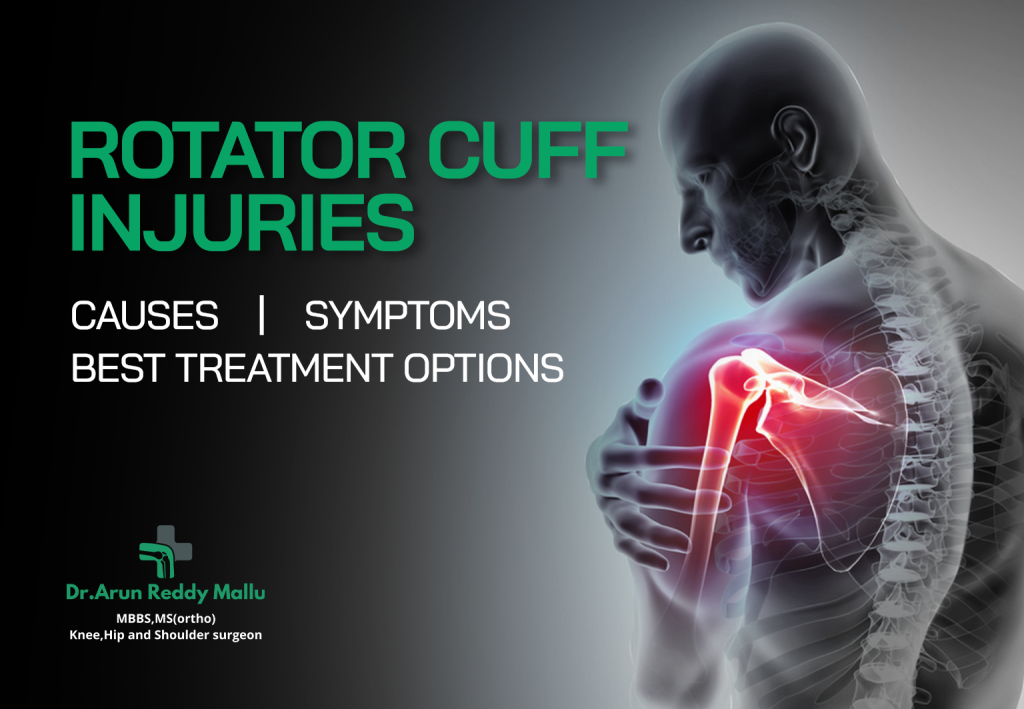
The rotator cuff is a group of four muscles and their tendons that stabilize the shoulder joint and allow you to lift and rotate your arm. These muscles include:
- Supraspinatus– helps lift the arm away from the body.
- Infraspinatus– assists with external rotation of the arm.
- Teres minor– supports rotation and stability.
- Subscapularis– enables internal rotation of the arm.
When any of these tendons are irritated, inflamed, or torn, it results in a rotator cuff injury, leading to pain, weakness, and limited movement.
Causes of Rotator Cuff Injuries
Rotator cuff injuries can develop suddenly from trauma or gradually over time due to wear and tear. The most common causes include:
- Repetitive Motion
Athletes such as swimmers, tennis players, and cricketers, as well as individuals with jobs involving frequent overhead activity (painters, carpenters), are at higher risk of rotator cuff damage.
- Age-Related Degeneration
As we grow older, blood supply to the rotator cuff decreases, reducing the body’s ability to repair small tendon tears. People over 40 are more susceptible to degenerative injuries.
- Acute Injury or Trauma
A fall on an outstretched arm, lifting something too heavy, or a sudden jerking movement can cause an immediate rotator cuff tear.
- Poor Posture
Consistently slouching or having rounded shoulders puts stress on the shoulder tendons, eventually leading to injury.
- Bone Spurs
With age, bony overgrowths (spurs) can develop on the acromion (part of the shoulder blade), rubbing against the rotator cuff tendons and causing tears.
Symptoms of Rotator Cuff Injuries
The symptoms can vary depending on the severity of the injury. Common signs include:
- Persistent Shoulder Pain– Pain that worsens at night or when lying on the affected side.
- Weakness– Difficulty lifting or rotating the arm, especially during overhead activities.
- Limited Range of Motion– Stiffness and reduced flexibility in the shoulder.
- Cracking or Clicking Sound– A popping sensation when moving the arm.
- Sudden Sharp Pain– Especially if the injury is caused by trauma.
If ignored, a rotator cuff injury can progress from mild tendon irritation (tendinitis) to partial or complete tendon tears, significantly affecting daily activities.
How Rotator Cuff Injuries are Diagnosed
Accurate diagnosis is essential to determine the extent of injury and guide treatment. A specialist like Dr. Arun Reddy Mallu at Continental Hospitals typically follows these steps:
- Physical Examination– Checking shoulder strength, flexibility, and movement.
- Medical History– Understanding past injuries, occupational risks, and sports activity.
- Imaging Tests:
- X-ray– To rule out bone spurs or arthritis.
- MRI Scan– Provides a detailed view of the tendons and muscles.
- Ultrasound– Helps visualize tendon movement in real-time.
Treatment Options for Rotator Cuff Injuries
Treatment depends on the severity of the injury, age, lifestyle, and overall health of the patient.
- Non-Surgical Treatments
For mild to moderate cases, conservative treatment is usually the first line of care:
- Rest and Activity Modification– Avoiding overhead movements and heavy lifting.
- Physical Therapy– Strengthening surrounding muscles to improve shoulder stability.
- Medications– Anti-inflammatory drugs and pain relievers to reduce discomfort.
- Steroid Injections– Cortisone shots can provide temporary relief for inflammation and pain.
- Hot and Cold Therapy– Ice packs reduce swelling, while heat improves blood flow and flexibility.
- Surgical Treatments
When conservative measures fail or in cases of complete tendon tears, surgery may be recommended. Dr. Arun Reddy Mallu is highly experienced in advanced surgical options:
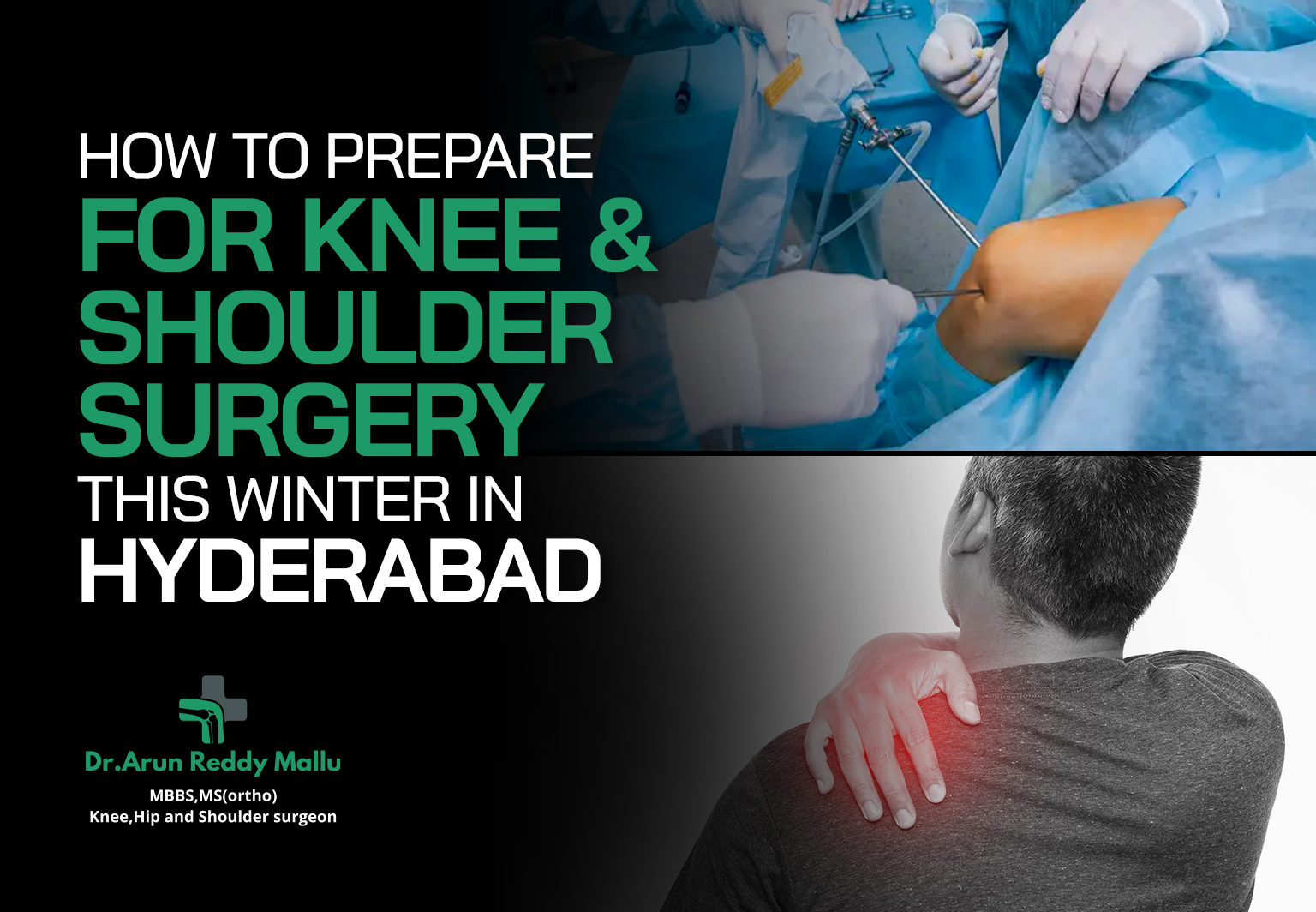
- Arthroscopic Rotator Cuff Repair– A minimally invasive procedure using small incisions and a camera to repair torn tendons.
- Open Repair– Traditional surgery for large or complex tears.
- Tendon Transfer– If the tendon is too damaged to be repaired, nearby tendons may be repositioned to restore function.
- Shoulder Replacement (Reverse Shoulder Arthroplasty)– In severe cases with arthritis and massive tears, a replacement may be considered.
Recovery and Rehabilitation
Post-treatment recovery plays a vital role in restoring full shoulder function. Key aspects of rehabilitation include:
- Immobilization– A sling may be used to protect the shoulder initially.
- Gradual Physical Therapy– Guided exercises to regain flexibility and strength.
- Pain Management– Medications and cold therapy to reduce discomfort.
- Lifestyle Modifications– Avoiding high-impact activities during recovery.
Recovery can take anywhere from a few weeks for minor injuries to several months after surgery. Following your doctor’s rehabilitation plan is crucial for optimal results.
Preventing Rotator Cuff Injuries
While not all injuries are avoidable, certain steps can lower the risk:
- Maintain good postureto reduce strain on the shoulder.
- Perform shoulder-strengthening exercises
- Always warm up before sports or workouts.
- Avoid repetitive overhead movements when possible.
- Listen to your body and don’t ignore shoulder pain—early treatment can prevent worsening.
Why Choose Dr. Arun Reddy Mallu at Continental Hospitals?
When it comes to shoulder injuries, choosing the right specialist makes all the difference. Dr. Arun Reddy Mallu, Orthopedic and Joint Replacement Surgeon at Continental Hospitals, Hyderabad, is renowned for his expertise in:
- Advanced arthroscopic shoulder surgeries
- Comprehensive rotator cuff repairtechniques
- Personalized treatment planstailored to each patient
- Focus on minimally invasive proceduresfor faster recovery
Patients trust Dr. Arun Reddy Mallu for his compassionate approach, precise diagnosis, and commitment to restoring pain-free mobility.
Conclusion
Rotator cuff injuries can severely impact your daily life, from simple tasks like combing your hair to professional activities requiring arm strength. Early diagnosis and the right treatment approach are crucial in preventing long-term damage. While non-surgical treatments may work for mild cases, surgical repair becomes essential for complete tears or persistent symptoms.
Consult Dr. Arun Reddy Mallu at Continental Hospitals today for expert treatment of Rotator Cuff Injuries.