Is ACL Surgery Painful? What to Expect Before and After Surgery
A torn Anterior Cruciate Ligament (ACL) is one of the most common knee injuries, especially among athletes and physically active individuals. If you’ve been advised to undergo ACL surgery, one of your biggest concerns is likely pain—both during and after the procedure. The good news is that modern surgical techniques and pain management strategies have made ACL reconstruction far less painful and more predictable than it used to be.
In this detailed guide, we’ll walk you through what ACL surgery involves, how pain is managed, and what to expect before and after surgery for a smoother recovery journey.
Understanding ACL and Its Role
The ACL is one of the key ligaments in your knee joint that helps maintain stability during movement. It connects the thigh bone (femur) to the shin bone (tibia) and prevents the knee from sliding forward excessively.
When the ACL tears—often due to sudden twisting motions, sports injuries, or accidents—it doesn’t heal on its own. In many cases, ACL reconstruction surgery becomes necessary to restore knee stability, prevent further damage, and allow a return to active living.
Is ACL Surgery Painful? The Honest Answer
During the Surgery:
No, you won’t feel pain during the ACL surgery itself because it’s performed under spinal or general anesthesia. An anesthesiologist ensures you remain comfortable and pain-free throughout the procedure.
After the Surgery:
You can expect some discomfort, swelling, and soreness in the first few days following surgery. However, pain is effectively managed through medications, ice therapy, rest, and gradual rehabilitation exercises.
With proper care and adherence to post-surgical guidelines, pain levels typically decrease significantly within the first two weeks, and most patients are able to walk with minimal discomfort soon after.
What to Expect Before ACL Surgery
Before undergoing ACL surgery, your orthopedic surgeon will guide you through several preparatory steps to ensure a successful outcome.
- Pre-Surgical Evaluation
A complete assessment will be done, including:
- Physical examination
- MRI scan to confirm the ligament tear
- Discussion about your medical history and activity level
- Preoperative blood tests or health check-ups
- Prehabilitation (“Prehab”)
Your doctor may recommend physiotherapy before surgery. Strengthening your quadriceps, hamstrings, and core muscles beforehand helps speed up recovery later. This “prehab” phase also reduces stiffness and improves flexibility.
- Surgery Day Preparation
On the day of surgery:
- You’ll be asked to fast for several hours.
- The anesthesiologist will explain the type of anesthesia used.
- You’ll be shifted to the operating room, where the surgery typically takes about 5 to 2 hours.
- The Procedure
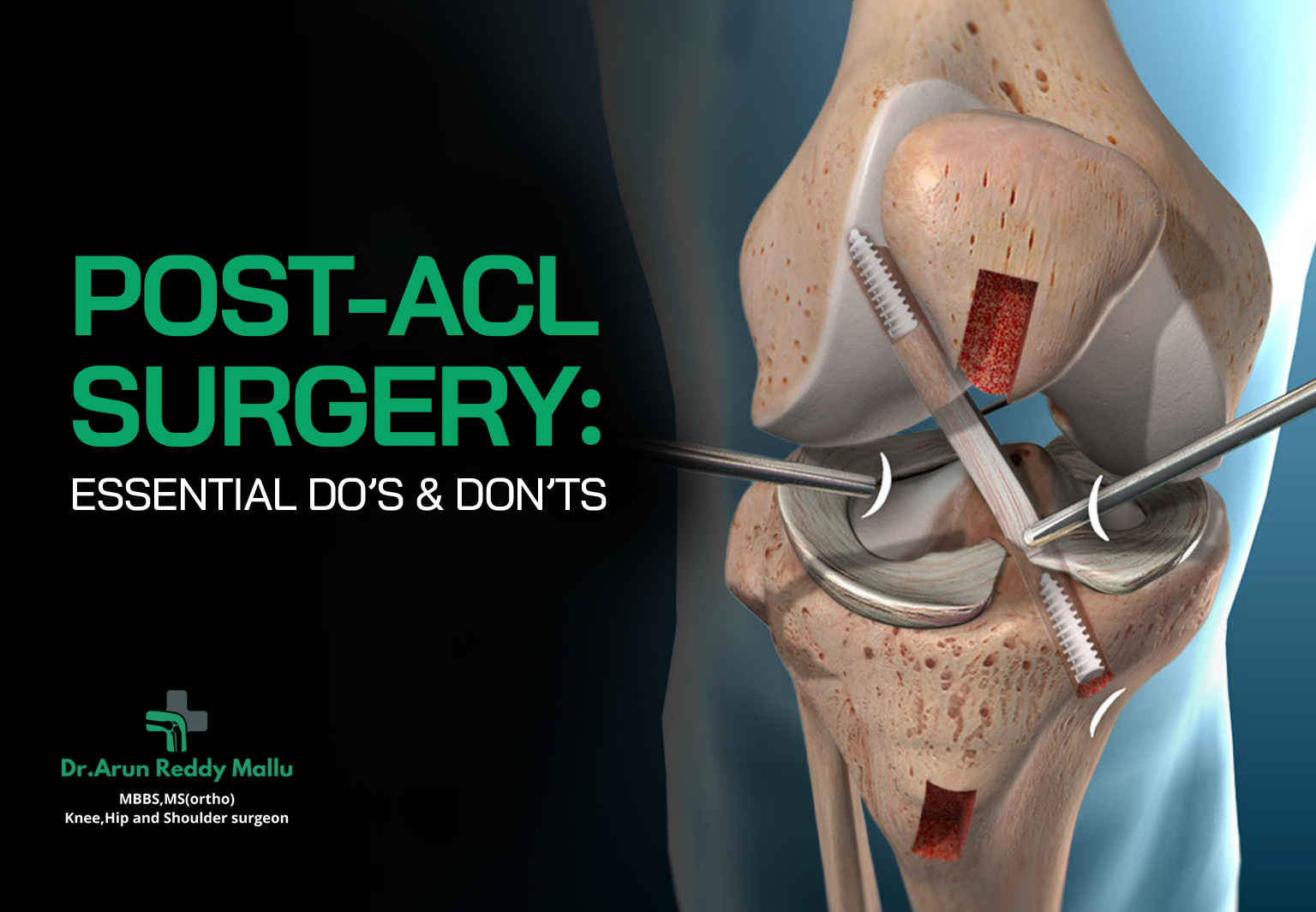
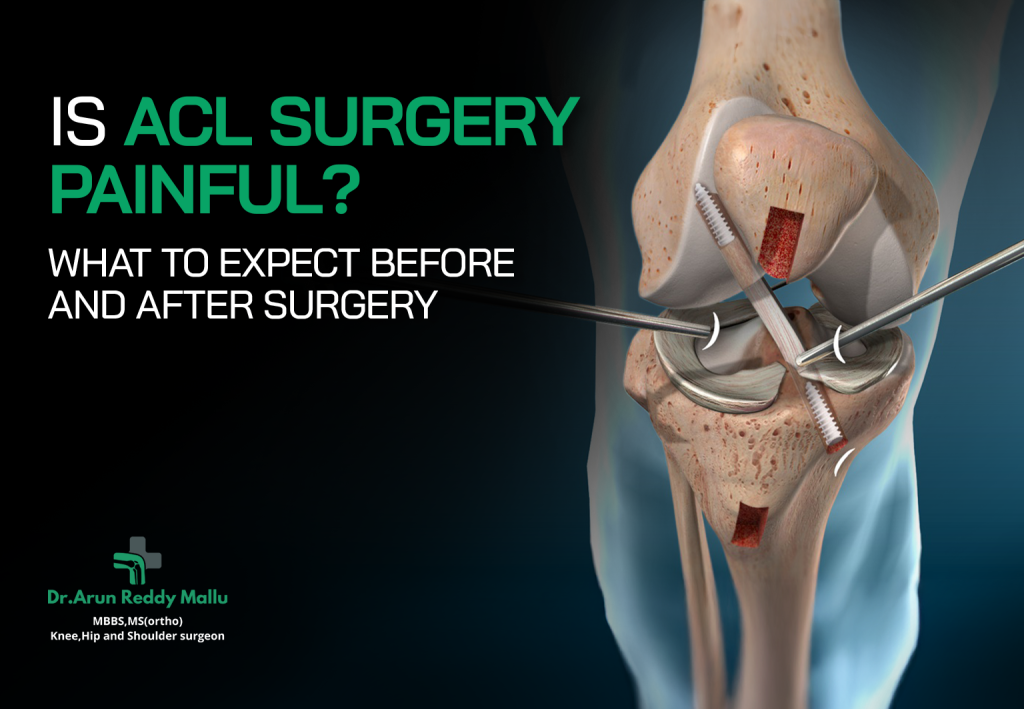
ACL reconstruction involves replacing the torn ligament with a tissue graft (usually taken from your own hamstring or patellar tendon). The graft acts as a scaffold for new ligament growth over time. The surgery is done arthroscopically — through small incisions using a camera and tiny instruments, minimizing pain and scarring.
What to Expect After ACL Surgery
Recovery after ACL surgery is a gradual process, and understanding each stage helps set realistic expectations.
- Immediately After Surgery
You’ll spend a few hours in the recovery room as anesthesia wears off. Your knee will likely be bandaged, and a brace may be used to keep it stable. Pain medication will be given to manage initial discomfort.
- The First Few Days
- Pain and Swelling:It’s normal to experience mild to moderate pain and swelling. Applying ice packs and keeping your leg elevated can help reduce this.
- Mobility:Crutches are used to avoid putting weight on your operated leg initially.
- Medications:Your doctor will prescribe antibiotics and painkillers to prevent infection and ease discomfort.
- The First Two Weeks
During this period, the focus is on managing pain, reducing swelling, and regaining knee motion. Physiotherapists guide you through gentle exercises like ankle pumps and leg raises to maintain circulation and muscle tone.
You may still feel soreness, especially when bending or straightening your leg, but this is part of the healing process. Following your doctor’s instructions closely will make a big difference in comfort and recovery speed.
Pain Management After ACL Surgery
Pain levels vary from person to person, but with modern approaches, most patients describe their pain as manageable rather than severe. Common methods include:
- Medications
Pain-relieving medicines like NSAIDs, acetaminophen, or prescribed opioids (for short-term use) help control discomfort. Your doctor will adjust doses to balance relief and safety.
- Cold Therapy
Applying ice or using a cold compression device reduces inflammation and swelling significantly in the first few days.
- Elevation and Rest
Keeping the leg elevated promotes blood circulation and minimizes pressure around the knee joint, leading to less pain and stiffness.
- Physiotherapy
Regular, guided physiotherapy sessions not only improve strength and flexibility but also prevent pain caused by stiffness or muscle weakness.
- Nerve Blocks (Optional)
Some patients receive a nerve block injection around the knee before or after surgery. This numbs the area for several hours, providing additional pain control immediately after surgery.
Physical Therapy and Recovery Timeline
Rehabilitation is the most crucial part of ACL recovery. Here’s a general timeline:
- Weeks 1–2:Focus on gentle mobility, swelling reduction, and light exercises.
- Weeks 3–6:You’ll start weight-bearing activities and work on strengthening the quadriceps and hamstrings.
- Months 2–4:More active physiotherapy — including balance, endurance, and controlled movements.
- Months 5–6:Gradual return to jogging, running, or light sports under supervision.
- After 6 Months:Most patients return to normal activities, though full sports performance may take 8–9 months depending on individual progress.
Throughout the process, communication with your physiotherapist and surgeon ensures proper healing and prevents complications.
Common Concerns After ACL Surgery
- How long will I need painkillers?
Most patients use prescription pain medication for about a week, then switch to milder pain relievers as needed. - When can I walk without crutches?
Typically within 2–3 weeks, depending on your strength and stability. - Is there pain during physiotherapy?
Some mild discomfort is expected, but it should not be severe. Your therapist adjusts exercises to your tolerance level. - Can ACL surgery fail?
Though rare, improper rehabilitation or premature return to sports can lead to graft failure. Following medical advice is key to preventing this.
Tips for a Smooth Recovery
- Follow all post-surgical instructions carefully.
- Attend all physiotherapy sessions consistently.
- Avoid high-impact activities until cleared by your surgeon.
- Eat a protein-rich, nutrient-dense diet to promote tissue healing.
- Stay positive — recovery is progressive and requires patience.
When to Call Your Doctor
Seek immediate medical attention if you experience:
- Excessive swelling or redness around the incision
- High fever or chills
- Persistent pain not relieved by medication
- Numbness or loss of movement in your leg
Prompt care can prevent complications and ensure proper healing.
Conclusion
ACL surgery may sound intimidating, but with modern arthroscopic techniques and advanced pain management, it’s not as painful as most people imagine. The initial discomfort is temporary and well-controlled through medications, rest, and physiotherapy.
The key to a successful recovery lies in following your doctor’s advice, staying consistent with rehabilitation, and maintaining a positive attitude throughout the healing journey.
Most patients regain full knee function and return to their favorite activities pain-free — proving that ACL surgery, though challenging, is truly worth it for long-term stability and mobility.
Experience precise and comfortable ACL surgery with Dr. Arun Reddy Mallu at Continental Hospital — book your consultation now at +91 99591 35963!