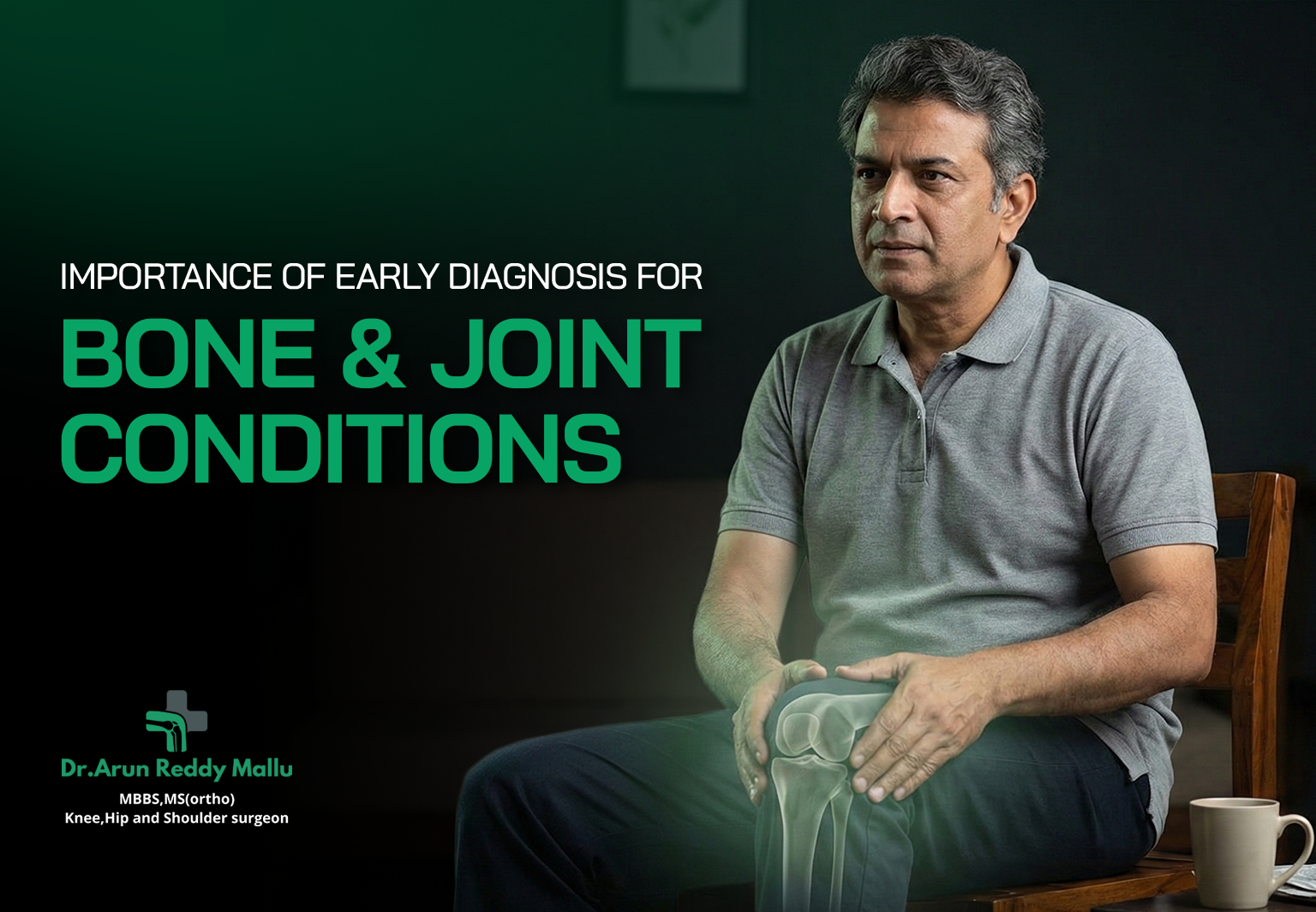
Importance of Early Diagnosis for Bone and Joint Conditions
Bone and joint conditions encompass a wide range of disorders affecting the musculoskeletal system — including bones, joints, cartilage, muscles, tendons, ligaments, and connective tissues. These conditions range from age-related degenerative changes like osteoarthritis to autoimmune diseases such as rheumatoid arthritis, metabolic bone diseases like osteoporosis, traumatic injuries, congenital deformities, and infections. Regardless of the cause, the impact of bone and joint problems is immense. They are leading contributors to chronic pain, physical disability, reduced quality of life, and loss of productivity worldwide. One common thread in effectively managing these conditions is early diagnosis. Identifying problems at an early stage can dramatically alter the course of a disease, reduce complications, and improve long term outcomes.
Understanding Bone and Joint Conditions
To appreciate the value of early diagnosis, it is essential to understand how bone and joint conditions develop and progress.
- Degenerative Disorders
Degenerative disorders like osteoarthritis are among the most common musculoskeletal conditions. They involve the gradual breakdown of cartilage — the smooth tissue that cushions joints — often leading to pain, stiffness, swelling, and limited movement. The process usually begins subtly and worsens over time.
- Inflammatory Conditions
Autoimmune diseases such as rheumatoid arthritis cause the body’s immune system to mistakenly attack its own joint tissues. Inflammatory responses can cause significant joint damage if untreated, affecting mobility and overall function.
- Traumatic Injuries
Accidents and sports injuries can result in fractures, ligament tears, and joint dislocations. Immediate and accurate diagnosis ensures appropriate treatment and prevents chronic instability or long term disability.
- Metabolic Bone Diseases
Conditions such as osteoporosis silently weaken bones over time. Without early detection, bones become fragile and susceptible to fractures even with minimal trauma.
- Infections and Tumors
Infections like osteomyelitis or bone tumors may not show clear symptoms early on but can cause devastating complications if not diagnosed promptly.
Why Early Diagnosis Matters
- Prevents Irreversible Joint Damage
Many bone and joint conditions, particularly degenerative and inflammatory diseases, can cause permanent structural changes if they progress unchecked. Early diagnosis allows interventions — such as medications, lifestyle changes, or surgeries — to slow or stop disease progression before irreversible damage occurs.
For example, early stages of rheumatoid arthritis may respond well to disease modifying antirheumatic drugs (DMARDs), which can prevent joint erosion and preserve function.
- Reduces Chronic Pain
Pain is one of the first symptoms patients notice. When conditions are diagnosed early, pain can be managed more effectively through therapies that address the underlying causes, not just the symptoms. Poorly managed chronic pain often leads to compensatory habits — such as altered gait or posture — which can further strain muscles and joints.
- Enhances Treatment Effectiveness
Interventions are generally more effective when conditions are addressed early. Many medications and therapies show diminished returns when the disease has progressed to an advanced stage. For instance, early physical therapy after a knee injury can restore strength and stability, whereas delays might require complex surgery and prolonged rehabilitation.
- Improves Mobility and Function
Early identification of joint problems allows for timely therapeutic exercises, braces, orthotics, and other supportive measures that maintain or enhance mobility. Preserving joint function helps individuals stay active, retain independence, and maintain quality of life.
- Reduces Healthcare Costs
Chronic and advanced bone and joint diseases often require more extensive treatments — including surgeries, long rehabilitation, and hospital stays — leading to increased healthcare costs. Early diagnosis can limit the need for invasive procedures and long term care, reducing the financial burden on patients and healthcare systems.
- Improves Overall Health
The musculoskeletal system influences balance, mobility, and metabolic health. Early treatment of joint conditions can promote physical activity, which supports cardiovascular health, mental well being, weight management, and overall life satisfaction.
How Early Diagnosis Is Achieved
Modern medicine offers several tools and strategies to detect bone and joint conditions early:
- Clinical Evaluation
A thorough medical history and physical exam are the first steps in diagnosis. Symptoms such as joint pain, swelling, stiffness, reduced range of motion, or limping provide invaluable clues. Early reporting of symptoms by patients significantly aids this process.
- Imaging Techniques
Imaging plays a pivotal role in detecting structural abnormalities:
- X raysreveal bone fractures, joint space narrowing, and significant degenerative changes.
- MRI (Magnetic Resonance Imaging)visualizes soft tissues — including cartilage, ligaments, tendons, and early inflammatory changes.
- Ultrasoundhelps detect joint effusions, cysts, and synovial inflammation.
- DEXA scansassess bone mineral density to diagnose conditions like osteoporosis at an asymptomatic stage.
- Laboratory Tests
Blood tests can support the diagnosis of inflammatory or autoimmune conditions. Markers such as rheumatoid factor (RF), anti CCP antibodies, ESR (erythrocyte sedimentation rate), and CRP (C reactive protein) help detect inflammation early.
- Early Screening Programs
For individuals at risk — such as older adults, postmenopausal women, or people with a family history of bone disease — regular screening facilitates early detection of conditions like osteoporosis before fractures occur.
Barriers to Early Diagnosis
Despite the clear benefits, several challenges exist:
- Lack of Awareness
Many individuals dismiss early symptoms like mild joint pain or stiffness as “normal aging,” delaying medical consultation and missing the opportunity for early diagnosis.
- Limited Access to Healthcare
In underserved regions, lack of access to specialists, diagnostic tools, and routine screenings hampers early detection.
- Misdiagnosis
Bone and joint conditions often present with overlapping symptoms, making accurate diagnosis challenging. Without experienced clinicians and appropriate tools, misdiagnoses are common.
- Economic Constraints
Diagnostic tests and specialist consultations may not be affordable for many, delaying the diagnosis until the disease becomes advanced.
Strategies to Promote Early Diagnosis
Improving early diagnosis requires a multipronged approach:
- Public Education
Public awareness campaigns can educate individuals about early symptoms that warrant medical evaluation — such as persistent joint pain, swelling, morning stiffness, or difficulty performing daily activities.
- Encouraging Routine Screening
Especially for high risk populations, routine bone density tests and regular musculoskeletal check ups should be advocated.
- Training Healthcare Providers
Primary care physicians and allied health professionals need training to recognize early signs and refer patients for timely imaging and specialist consultation.
- Use of Telemedicine
Teleconsultations can expand access to specialists in remote areas, facilitating early evaluation and appropriate referrals.
- Multidisciplinary Care
Collaboration between orthopedic surgeons, rheumatologists, physiotherapists, radiologists, and primary care physicians ensures comprehensive care and early intervention.
Real – Life Impact of Early Diagnosis
Consider two hypothetical patients with knee osteoarthritis:
- Patient Adismissed early knee pain and stiffness for years. Eventually, they experienced severe pain, significant cartilage loss, bone spurs, and joint deformity. Conservative treatments were no longer effective, and total knee replacement surgery became necessary.
- Patient Bsought medical evaluation at first symptoms. Early diagnosis led to activity modification, weight management, physical therapy, medications, and joint injections. Progression slowed, symptoms were effectively controlled, and surgery was delayed for many years.
These contrasting outcomes highlight the transformative power of early detection and management.
Conclusion
The importance of early diagnosis for bone and joint conditions cannot be overstated. It is the cornerstone of effective care — preventing irreversible joint damage, reducing pain, enhancing treatment outcomes, preserving mobility, lowering healthcare costs, and improving overall quality of life. Detecting problems early provides clinicians the opportunity to intervene promptly, tailor individualized treatment plans, and empower patients to stay active and healthy.
If you are experiencing persistent joint discomfort, stiffness, or mobility issues, do not ignore these signs. Consulting a qualified orthopedic specialist early can make all the difference. Dr. Arun Reddy at Continental Hospital is renowned for his expertise in the diagnosis and management of bone and joint conditions. With advanced diagnostic tools, comprehensive care protocols, and a patient centered approach, Dr. Arun Reddy ensures that musculoskeletal problems are identified and treated at the earliest possible stage — leading to better outcomes and improved quality of life.
Early diagnosis keeps your bones and joints healthy—consult Dr. Arun Reddy Mallu at Continental Hospitals, call +91 99591 35963.