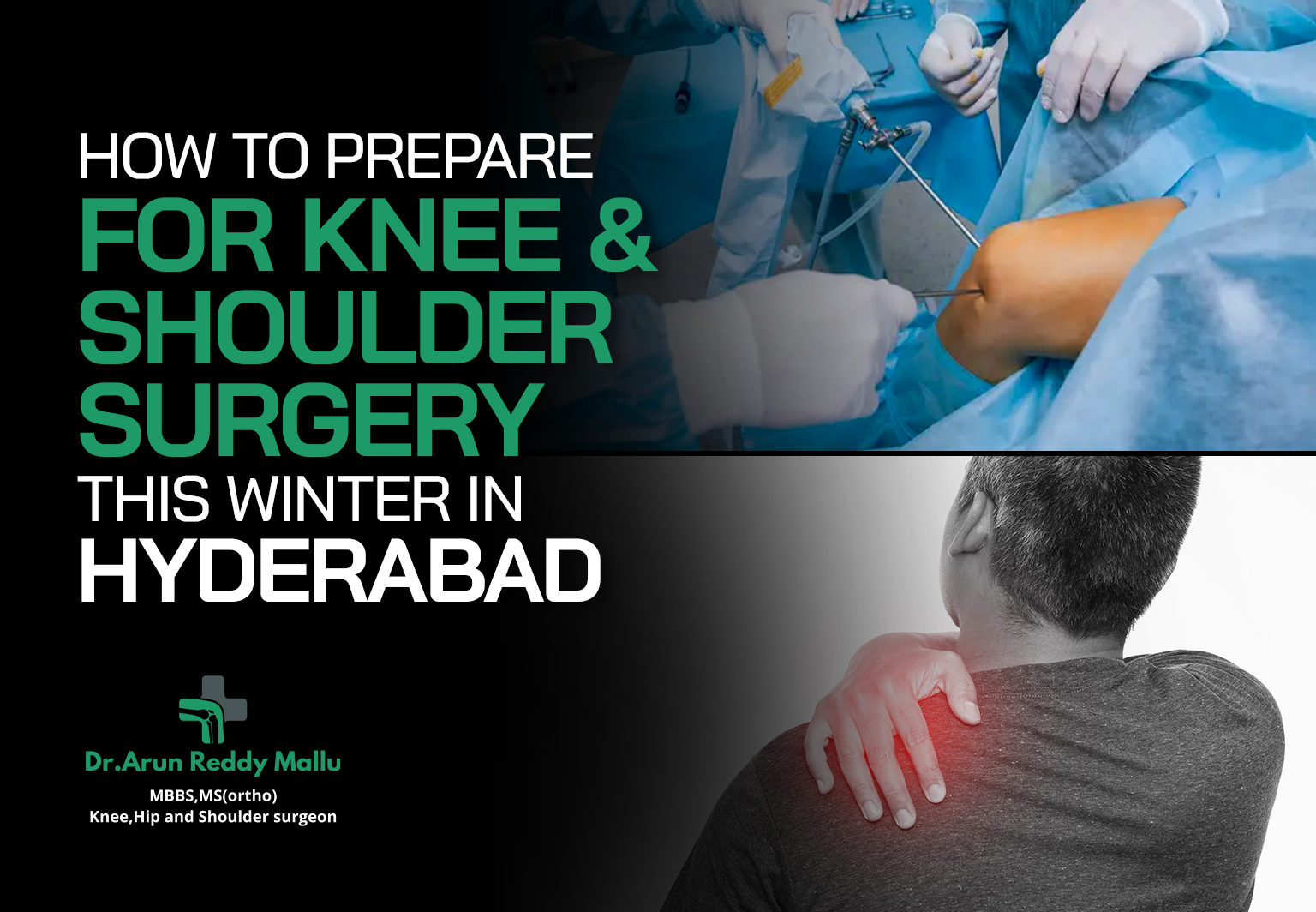
How to Prepare for Knee & Shoulder Surgery This Winter in Hyderabad
Knee and shoulder problems can significantly affect your quality of life, limiting mobility, independence, and daily comfort. When conservative treatments such as medication, physiotherapy, or injections no longer provide relief, surgery may become the most effective solution. For many patients in Hyderabad, winter is an ideal season to undergo knee or shoulder surgery, thanks to cooler temperatures and better post-operative comfort.
However, successful surgery is not just about the procedure itself—it depends heavily on how well you prepare beforehand. From physical conditioning and medical readiness to home planning and mental preparation, every step matters. This guide will help you understand how to prepare effectively for knee and shoulder surgery this winter in Hyderabad.
- Understand Your Condition and Surgical Procedure
Preparation begins with awareness. Before scheduling surgery, take time to understand your diagnosis clearly. Knee and shoulder surgeries can vary widely, including procedures such as:
- Total orpartial knee replacement
- Arthroscopic knee surgery
- Shoulder arthroscopy
- Rotator cuff repair
- Shoulder replacement
Your orthopedic surgeon will explain the nature of your joint problem, why surgery is required, and which procedure is most suitable. Understanding the expected benefits, possible risks, and recovery timeline helps you set realistic expectations and reduces anxiety.
Do not hesitate to ask questions about pain control, hospital stay duration, mobility after surgery, and rehabilitation requirements. A well-informed patient is better prepared both physically and mentally.
- Complete Pre-Surgical Medical Evaluation
Before surgery, you will undergo a comprehensive medical evaluation to ensure your body is ready for anesthesia and healing. This typically includes:
- Blood tests
- Heart evaluation (ECG)
- Imaging studies such as X-rays or MRI
- General health assessment
If you have conditions such as diabetes, high blood pressure, asthma, or heart disease, they must be well controlled before surgery. Inform your doctor about all medications, supplements, or herbal remedies you take, as some may need to be paused before surgery to reduce bleeding risks or anesthesia complications.
- Strengthen Your Body Before Surgery (Prehabilitation)
One of the most important yet often overlooked steps is prehabilitation, or preparing your muscles before surgery.
For Knee Surgery
- Strengthening the thigh, calf, and hip muscles helps support the knee joint.
- Gentle exercises improve flexibility and reduce stiffness after surgery.
- Low-impact activities such as walking or cycling are beneficial.
For Shoulder Surgery
- Maintaining shoulder range of motion within pain limits is important.
- Strengthening surrounding muscles supports faster recovery.
- A physiotherapist can guide you with safe pre-operative exercises.
Patients who engage in prehabilitation often experience less post-operative pain, quicker mobility, and better long-term outcomes.
- Focus on Nutrition and Hydration
Your body needs proper fuel to heal efficiently. In the weeks leading up to surgery:
- Increase protein intake to support tissue repair.
- Eat fresh fruits and vegetables for vitamins and antioxidants.
- Ensure adequate calcium and vitamin D for bone health.
- Stay well hydrated to maintain circulation and joint lubrication.
Avoid crash diets or skipping meals before surgery. Good nutrition plays a vital role in reducing infection risk and promoting faster recovery.
- Adjust Medications, Smoking, and Alcohol Habits
Certain lifestyle habits can negatively affect surgery and healing.
- Smokingreduces blood flow and delays wound healing. Quitting even a few weeks before surgery can significantly improve outcomes.
- Alcohol consumptionshould be minimized or stopped prior to surgery, as it can interfere with anesthesia and increase bleeding risk.
- Follow your doctor’s advice regarding medications, especially blood thinners and pain relievers.
These adjustments may feel challenging, but they directly impact your surgical success.
- Prepare Your Home for Recovery
After knee or shoulder surgery, simple daily tasks can become temporarily difficult. Preparing your home in advance ensures safety and comfort.
Safety Modifications
- Remove loose rugs and clutter to prevent falls.
- Ensure adequate lighting, especially at night.
- Install grab bars in bathrooms if needed.
Comfort Setup
- Arrange a recovery area with pillows, blankets, water, medicines, and essentials within easy reach.
- Keep frequently used items at waist level to avoid bending or reaching.
- Use chairs with armrests to assist sitting and standing.
Support System
- Arrange for a family member or caregiver to help with cooking, bathing, and errands during the first few days.
- Prepare meals in advance to reduce daily strain.
- Plan Your Hospital Stay
Knowing what to expect during your hospital stay can ease stress.
Pack essentials such as:
- Comfortable, loose clothing
- Slip-resistant footwear
- Personal toiletries
- Medical documents and identification
- Mobile phone and charger
Also, arrange transportation in advance, as driving is not allowed immediately after surgery.
- Winter-Specific Considerations
Winter offers certain advantages for joint surgery:
- Cooler temperatures can reduce swelling and discomfort.
- Patients often sleep better and experience less fatigue.
- Rehabilitation exercises are more manageable without excessive heat.
However, take precautions when moving outdoors, as slippery surfaces can increase fall risk. Wearing appropriate footwear and avoiding unnecessary outdoor activity during early recovery is essential.
- Mental and Emotional Preparation
Surgery can cause emotional stress, especially for first-time patients. Preparing mentally is just as important as physical readiness.
- Practice relaxation techniques such as deep breathing or meditation.
- Maintain a positive outlook and trust the recovery process.
- Set realistic goals and understand that healing takes time.
Staying mentally calm and optimistic helps your body respond better to treatment and rehabilitation.
- Follow Pre-Operative Instructions Carefully
Your surgeon will provide detailed instructions before surgery, including:
- When to stop eating and drinking
- Which medications to take or avoid
- Personal hygiene recommendations
Following these instructions strictly helps prevent complications and ensures your surgery proceeds as planned.
Conclusion
Preparing for knee or shoulder surgery is a journey that involves thoughtful planning, physical readiness, and emotional strength. From understanding your condition and strengthening your body to preparing your home and mindset, each step plays a vital role in ensuring a smooth surgical experience and faster recovery.
If you are considering knee or shoulder surgery this winter in Hyderabad, expert guidance makes all the difference. Dr. Arun Reddy Mallu at Continental Hospitals is renowned for his expertise in orthopedic care and joint surgeries. With a patient-focused approach, advanced surgical techniques, and comprehensive rehabilitation planning, Dr. Arun Reddy Mallu ensures that patients receive the highest standard of care from preparation through recovery—helping them return confidently to an active, pain-free life.
Get ready for knee & shoulder surgery this winter—book your appointment with Dr. Arun Reddy Mallu at Continental Hospitals, Hyderabad, call +91 99591 35963.