Frozen Shoulder Explained – Symptoms, Causes, Stages & Treatment Options
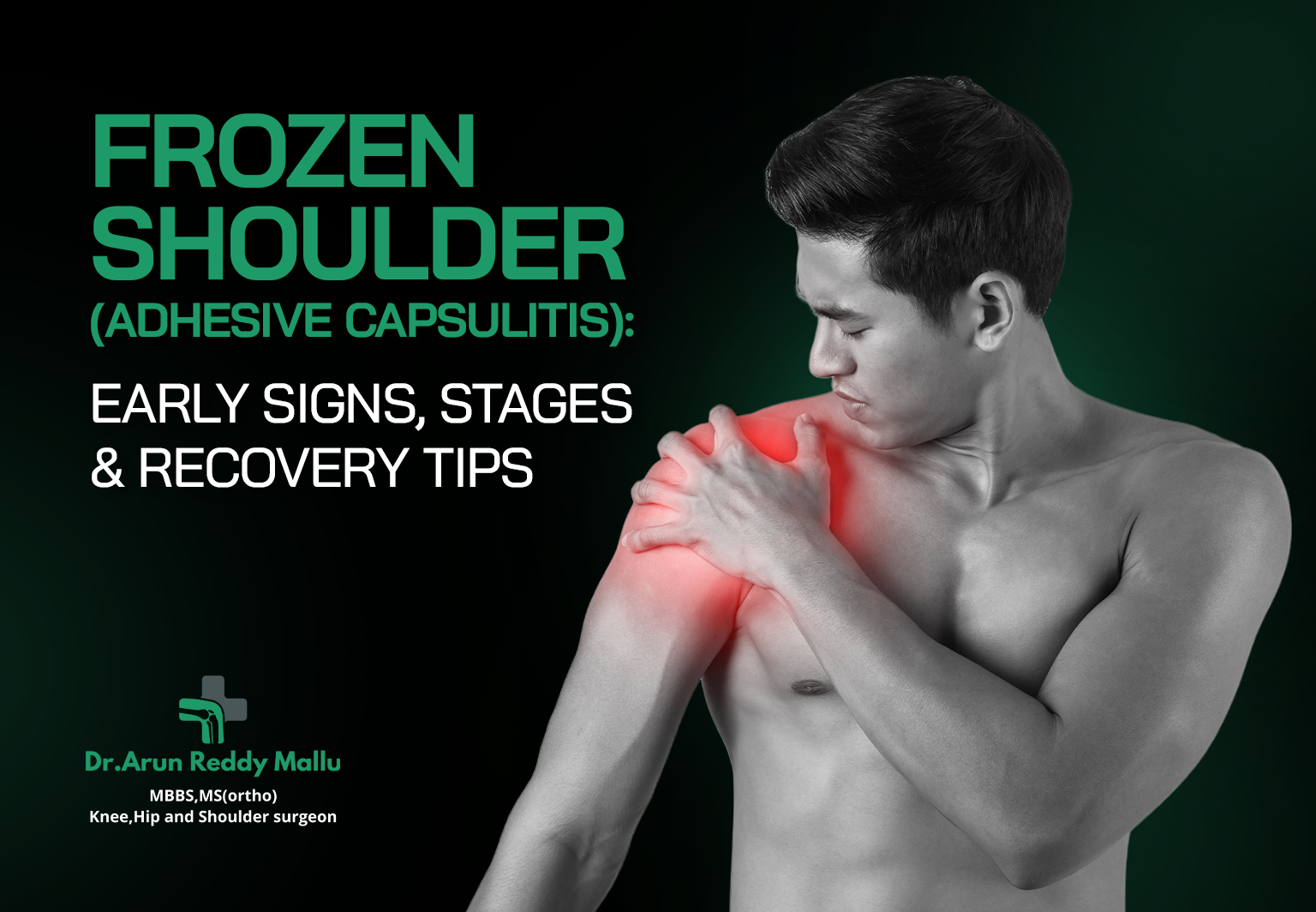
When you think about everyday movements like reaching for something on a shelf, combing your hair, or simply stretching your arm, it’s easy to take shoulder mobility for granted. But for people suffering from frozen shoulder, these simple activities can feel nearly impossible. Medically known as adhesive capsulitis, frozen shoulder is a painful condition that limits movement and gradually worsens if left untreated.
In this comprehensive guide, we’ll explore what frozen shoulder is, its symptoms, causes, stages, and treatment options. We’ll also highlight expert care available with Dr. Arun Reddy Mallu at Continental Hospitals, who specializes in shoulder conditions and advanced orthopedic treatments.
What is Frozen Shoulder?
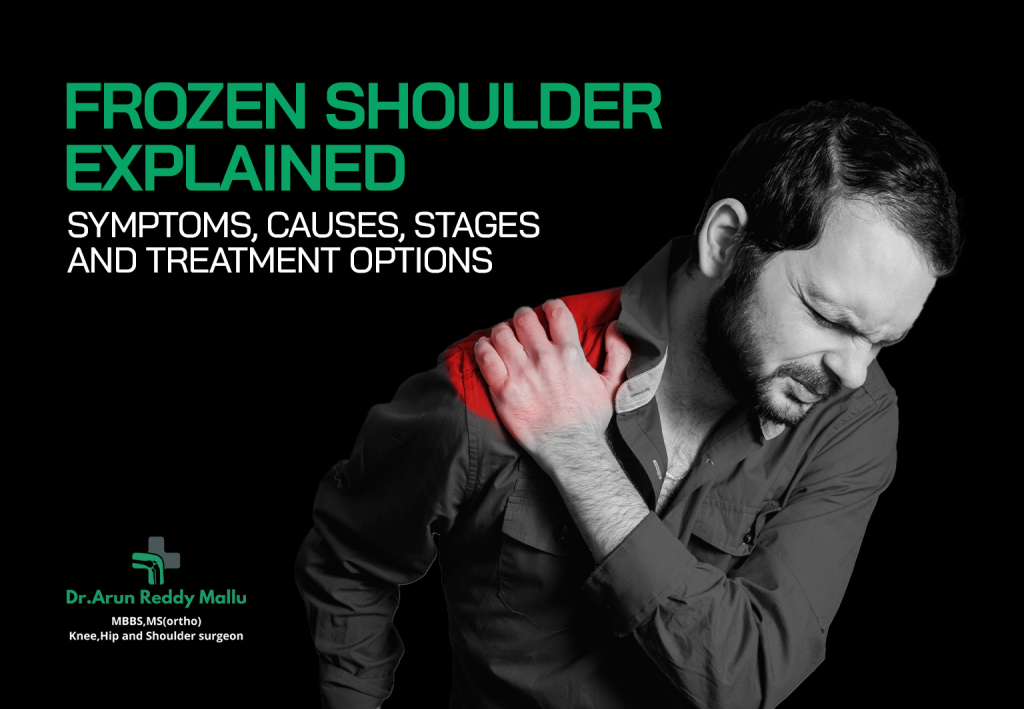
Frozen shoulder (adhesive capsulitis) is a condition that causes pain, stiffness, and reduced range of motion in the shoulder joint. It develops when the connective tissue capsule around the shoulder joint becomes thick, tight, and inflamed, restricting movement.
It is more common in people between the ages of 40 and 60, with women being more frequently affected than men. While the condition is not life-threatening, it can severely impact daily life and productivity.
Symptoms of Frozen Shoulder
Frozen shoulder usually develops gradually, and symptoms may persist for months or even years if untreated. Common symptoms include:
- Persistent Pain– A dull or aching pain in the shoulder that worsens with movement or at night.
- Stiffness– Difficulty moving the shoulder in all directions.
- Restricted Range of Motion– Trouble lifting the arm overhead, reaching behind the back, or rotating the shoulder.
- Sleep Disturbances– Pain is often worse at night, leading to poor sleep quality.
- Weakness– Prolonged inactivity due to pain can cause weakness in the shoulder and arm muscles.
Causes and Risk Factors
While the exact cause of frozen shoulder is not always clear, several factors increase the risk:
- Immobilization after injury or surgery– Keeping the arm in one position for too long (e.g., after a fracture or surgery) can trigger frozen shoulder.
- Medical conditions– Diabetes, thyroid disorders, cardiovascular disease, and Parkinson’s disease are linked with higher risk.
- Inflammation– Chronic inflammation of the shoulder capsule can lead to scar tissue buildup.
- Age and gender– Most common in individuals between 40–60 years, especially women.
- Post-surgical complications– Some patients develop frozen shoulder after operations like mastectomy or rotator cuff repair.
Stages of Frozen Shoulder
Frozen shoulder typically progresses in three stages, each lasting several months:
- Freezing Stage (Painful Stage)
- Duration: 6 weeks to 9 months
- Symptoms: Gradual onset of pain and stiffness, worsening over time. Movement becomes increasingly limited.
- Frozen Stage (Adhesive Stage)
- Duration: 4 to 12 months
- Symptoms: Pain may reduce slightly, but stiffness becomes more severe. Range of motion is at its lowest point. Daily activities are significantly affected.
- Thawing Stage (Recovery Stage)
- Duration: 6 months to 2 years
- Symptoms: Gradual improvement in shoulder mobility and reduced stiffness. Pain continues to decrease.
Not everyone recovers fully without treatment. Early diagnosis and management are crucial for preventing long-term disability.
Diagnosis of Frozen Shoulder
An accurate diagnosis involves a combination of clinical evaluation and imaging tests:
- Medical history and physical examination– Doctors check for pain level, stiffness, and range of motion.
- Imaging tests– X-rays, MRI, or ultrasound may be ordered to rule out other shoulder problems such as arthritis, rotator cuff tears, or bursitis.
At Continental Hospitals, Dr. Arun Reddy Mallu uses advanced diagnostic tools and individualized assessments to determine the stage and severity of frozen shoulder, ensuring the right treatment plan.
Treatment Options for Frozen Shoulder
Frozen shoulder often improves over time, but active treatment can significantly speed up recovery and restore function. Treatment depends on the stage and severity.
Non-Surgical Treatments
- Medications
Over-the-counter pain relievers (NSAIDs like ibuprofen or acetaminophen) help reduce pain and inflammation.
Corticosteroid injections directly into the shoulder joint can provide longer-lasting relief.
- Physical Therapy
The cornerstone of frozen shoulder treatment.
Gentle stretching, mobility exercises, and strengthening routines restore movement.
A skilled physiotherapist can design exercises to match each stage of recovery.
- Heat and Cold Therapy
Applying heat before exercises helps relax stiff muscles, while cold packs reduce inflammation after activity.
- Lifestyle Adjustments
Patients are advised to avoid complete immobility and continue light shoulder use to prevent worsening stiffness.
Surgical and Advanced Treatments
If conservative methods fail, surgical options may be considered:
- Hydrodilatation (Joint Distension)
A sterile fluid is injected into the joint capsule to stretch it and improve movement.
- Manipulation Under Anesthesia (MUA)
The patient is put under anesthesia, and the surgeon gently moves the shoulder to break adhesions.
- Arthroscopic Capsular Release
A minimally invasive surgery where the tight joint capsule is cut to restore motion.
Dr. Arun Reddy Mallu at Continental Hospitals specializes in advanced surgical techniques, including arthroscopic shoulder procedures, ensuring faster recovery and minimal complications.
Recovery and Rehabilitation
Recovery from frozen shoulder can take several months to years, depending on the stage at diagnosis and treatment chosen. Rehabilitation is a vital part of recovery and typically involves:
- Regular physiotherapy sessionsto restore mobility.
- Home exercisesto maintain progress between therapy sessions.
- Gradual return to daily activitiesto regain independence.
- Post-surgery care(if needed), which includes structured rehab programs under professional guidance.
With the right treatment and commitment to rehabilitation, most patients regain almost full mobility of the shoulder.
Preventing Frozen Shoulder
While not all cases can be prevented, you can lower the risk by:
- Staying activeand maintaining regular shoulder mobility exercises.
- Post-surgery physiotherapyafter any shoulder operation to prevent stiffness.
- Managing medical conditionssuch as diabetes and thyroid disorders effectively.
- Avoiding prolonged immobilityafter injuries—start gentle exercises as advised by a doctor.
Why Choose Dr. Arun Reddy Mallu at Continental Hospitals?
When it comes to treating shoulder conditions like frozen shoulder, choosing the right specialist makes a huge difference. Dr. Arun Reddy Mallu at Continental Hospitals, Hyderabad, is known for his expertise in advanced orthopedic and shoulder surgeries.
Patients benefit from:
- Accurate diagnosis using state-of-the-art imaging.
- Personalized treatment plans based on the stage of frozen shoulder.
- Access to both conservative and advanced surgical treatment options.
- Comprehensive rehabilitation support for long-term recovery.
Conclusion
Frozen shoulder can be a frustrating and painful condition, often affecting daily life for months or years. Understanding its symptoms, causes, and stages helps in seeking timely medical attention. While some cases may improve gradually, many require structured treatment and physiotherapy to restore mobility.
If you are struggling with shoulder pain or stiffness, consulting an experienced specialist is the best step forward. Dr. Arun Reddy Mallu at Continental Hospitals offers expert care and advanced treatments for frozen shoulder, helping patients regain movement, reduce pain, and return to their normal lifestyle.
Don’t let frozen shoulder limit your life—seek professional help today and take the first step towards recovery.
Book a consultation with Dr. Arun Reddy Mallu at Continental Hospitals today for expert Frozen Shoulder treatment.