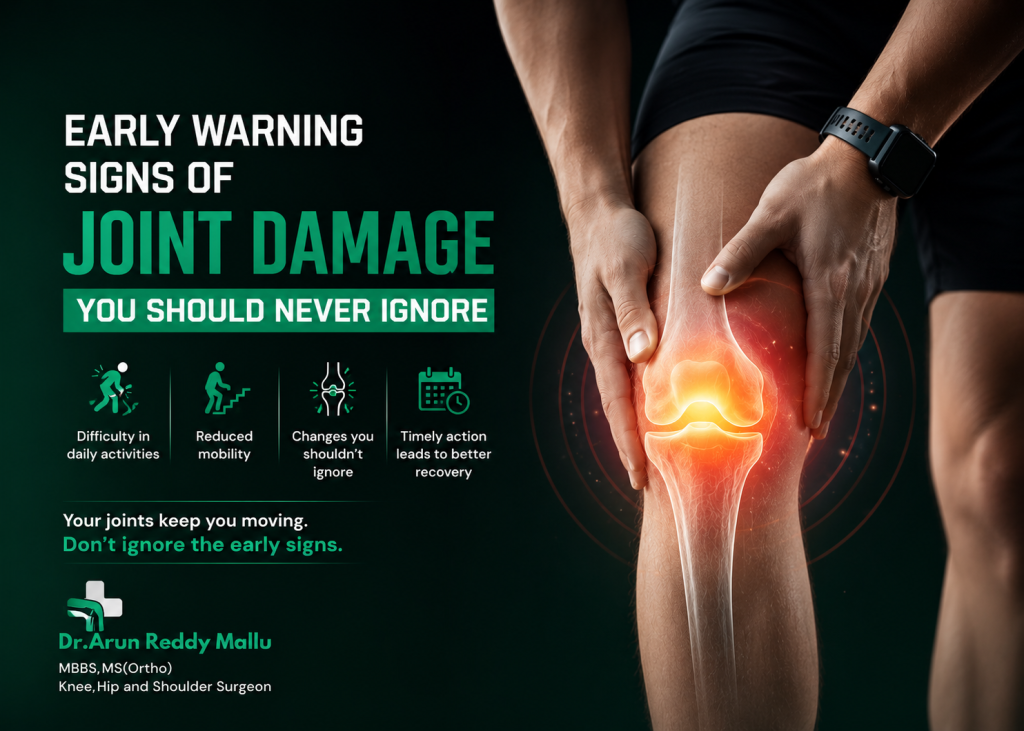
Signs of Joint Damage – Joint pain and stiffness are often ignored as a normal part of aging or daily stress. However, persistent discomfort in your knees, hips, shoulders, or other joints may indicate a more serious orthopedic problem. Recognizing the early Warning Signs of Joint Damage can help prevent severe complications and improve long-term mobility.
Joint damage can develop gradually due to arthritis, sports injuries, trauma, ligament injuries, cartilage wear, or degenerative orthopedic conditions. Seeking treatment at the right time can reduce pain, protect joint function, and help patients maintain an active lifestyle.
According to Dr. Arun Reddy Mallu, early diagnosis and proper orthopedic care are extremely important in preventing advanced joint damage and preserving joint health.
What Causes Joint Damage?
Joint damage occurs when the cartilage, ligaments, tendons, or bones within a joint begin to deteriorate or become injured. This can happen because of:
- Osteoarthritis
- Sports injuries
- Ligament tears
- Cartilage injuries
- Fractures or trauma
- Repetitive stress on joints
- Obesity and excess body weight
- Age-related wear and tear
- Untreated orthopedic conditions
When these issues are ignored, they may eventually lead to chronic pain, stiffness, reduced mobility, and even the need for joint replacement surgery.
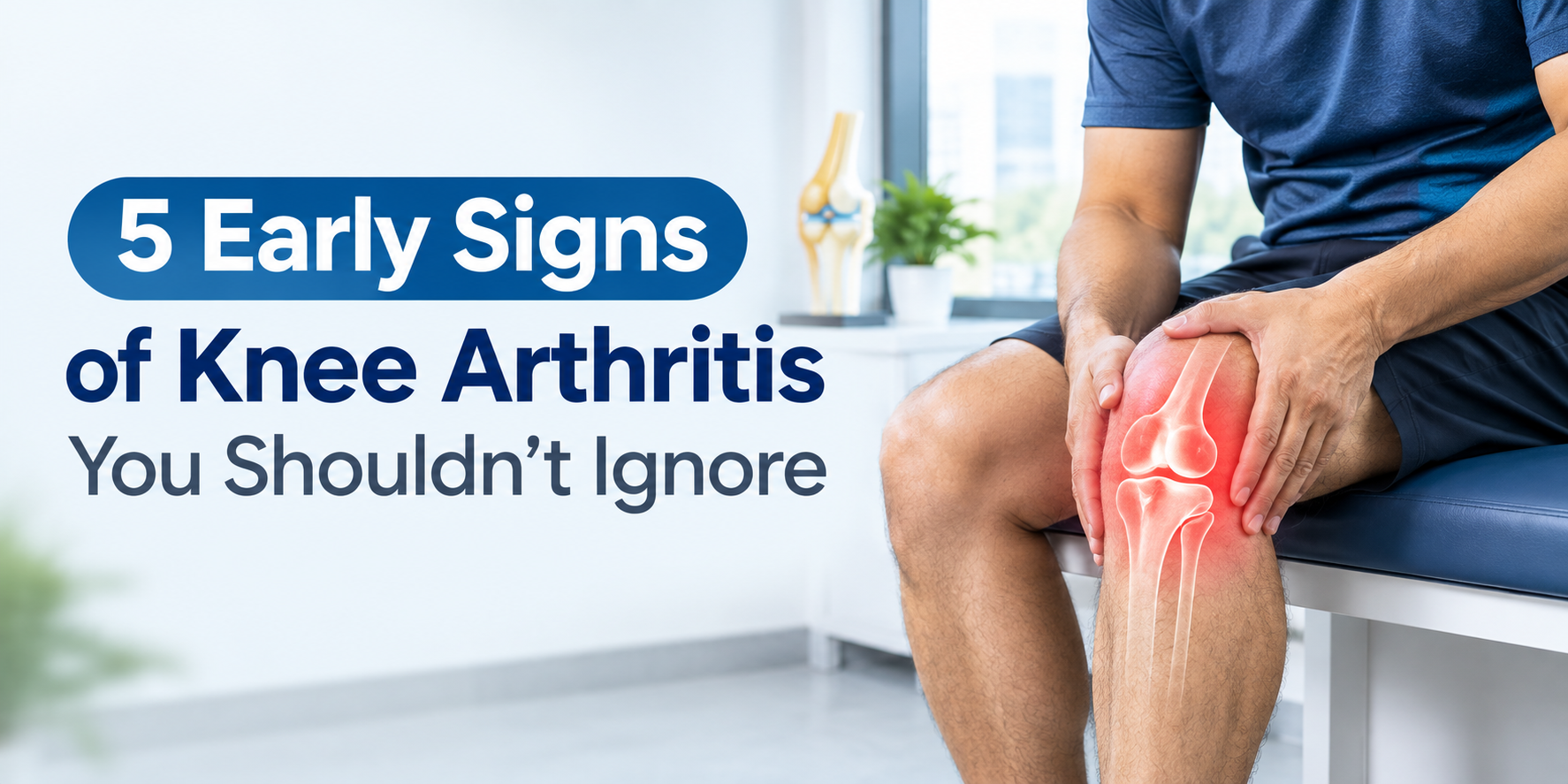
Persistent Joint Pain
One of the most common Warning Signs of Joint Damage is persistent joint pain. Occasional discomfort after physical activity may be normal, but ongoing pain lasting for weeks or months should never be ignored.
Pain in the knees, hips, shoulders, or ankles during walking, climbing stairs, exercise, or even rest can indicate cartilage damage, arthritis, or ligament injury.
Patients often delay treatment until the pain becomes severe, but early orthopedic evaluation can help prevent further joint deterioration.
Joint Stiffness in the Morning
Morning stiffness is another major sign of developing joint problems. If your joints feel tight or difficult to move after waking up or after sitting for long periods, it may indicate inflammation or early arthritis.
Stiffness that improves slowly throughout the day can suggest progressive joint degeneration. Early treatment and physiotherapy can help improve flexibility and mobility.
Swelling Around the Joint
Swelling is one of the most noticeable Warning Signs of Joint Damage. Inflammation around the joint may occur due to injury, cartilage wear, ligament tears, or arthritis.
Common symptoms include:
- Puffiness around the joint
- Warmth or redness
- Tenderness while touching the area
- Difficulty moving the joint
Persistent swelling should always be evaluated by an orthopedic specialist because untreated inflammation can worsen joint damage over time.
Clicking or Grinding Sounds
Hearing clicking, grinding, or popping sounds while moving your joints may indicate cartilage wear or instability within the joint.
Although occasional joint sounds may not always be serious, frequent grinding associated with pain or swelling could signal early orthopedic damage.
Conditions such as meniscus injuries, cartilage degeneration, or ligament instability can produce these symptoms.
Reduced Range of Motion
Difficulty bending or straightening a joint is another important warning sign. Reduced flexibility in the knee, hip, or shoulder may suggest joint inflammation, cartilage damage, or ligament injuries.
Patients may notice problems with:
- Squatting
- Climbing stairs
- Lifting objects
- Walking long distances
- Raising the arms
Ignoring these symptoms may eventually affect daily activities and overall quality of life.
Joint Instability or Weakness
If a joint feels unstable, weak, or gives way while walking, it could indicate ligament injuries or structural joint damage.
This is commonly seen in sports injuries involving the ACL, PCL, meniscus, or shoulder instability. Early diagnosis is important to prevent further damage and restore proper joint function.
Dr. Arun Reddy Mallu specializes in sports injury management, arthroscopy, ligament reconstruction, and complex orthopedic procedures for patients suffering from joint instability and mobility issues.
Pain During Physical Activity
Pain that increases during exercise or physical activity should never be ignored. Many people assume discomfort during movement is temporary, but repeated pain may indicate early cartilage wear or stress on the joints.
Athletes and physically active individuals are especially at risk for sports-related orthopedic injuries. Early treatment can help avoid long-term joint complications.
Difficulty Performing Daily Activities
One of the serious Warning Signs of Joint Damage is difficulty performing routine activities such as walking, standing, sitting, or carrying objects.
Patients may start avoiding activities they once enjoyed because of pain or stiffness. Over time, reduced activity can affect muscle strength and overall mobility.
Consulting an orthopedic specialist early can help patients receive the right treatment before the condition worsens.
Why Early Orthopedic Treatment Matters
Early diagnosis and treatment play a crucial role in preventing advanced joint damage. Modern orthopedic care focuses on preserving the natural joint whenever possible.
Depending on the condition, treatment options may include:
- Physiotherapy
- Lifestyle modifications
- Sports injury management
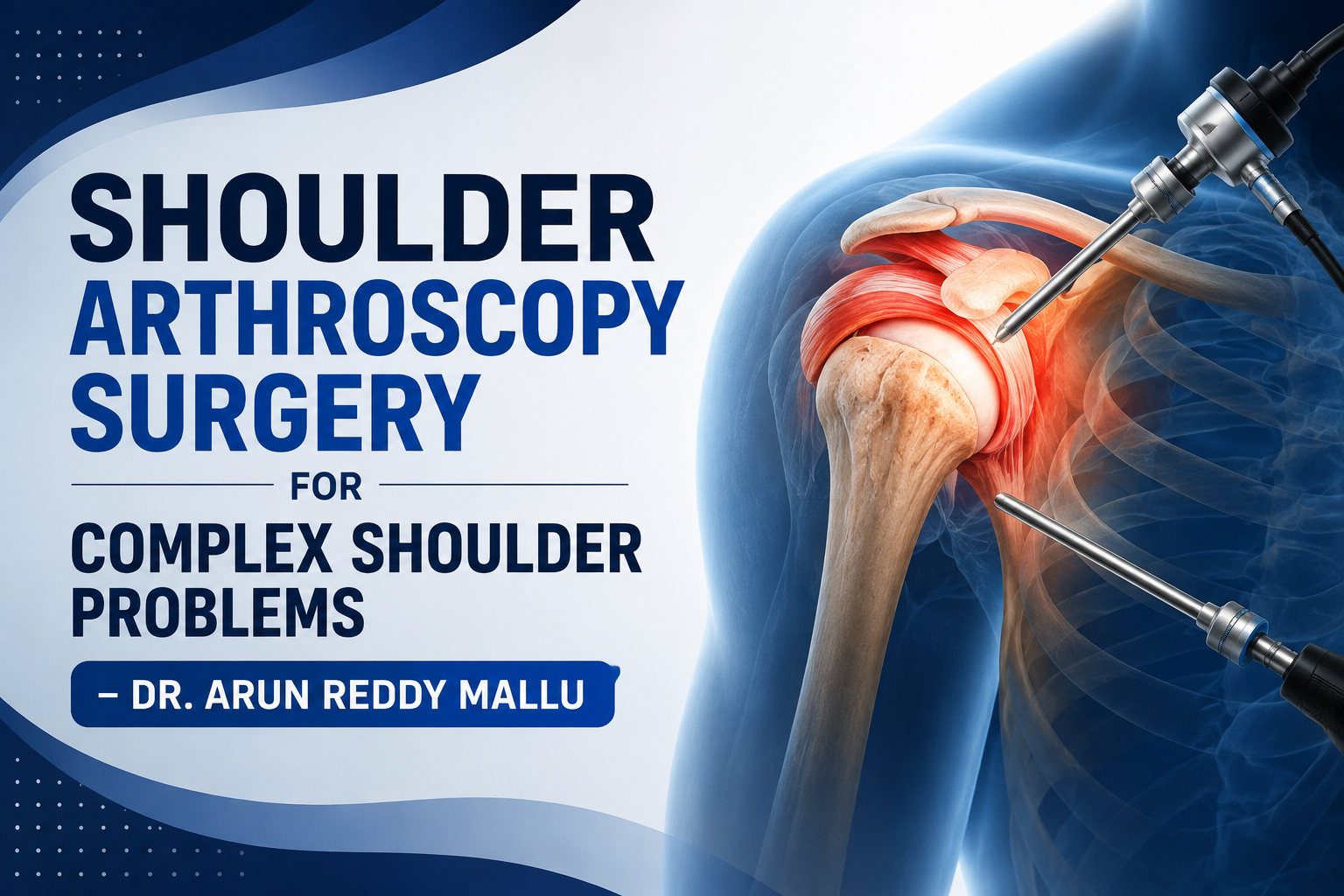
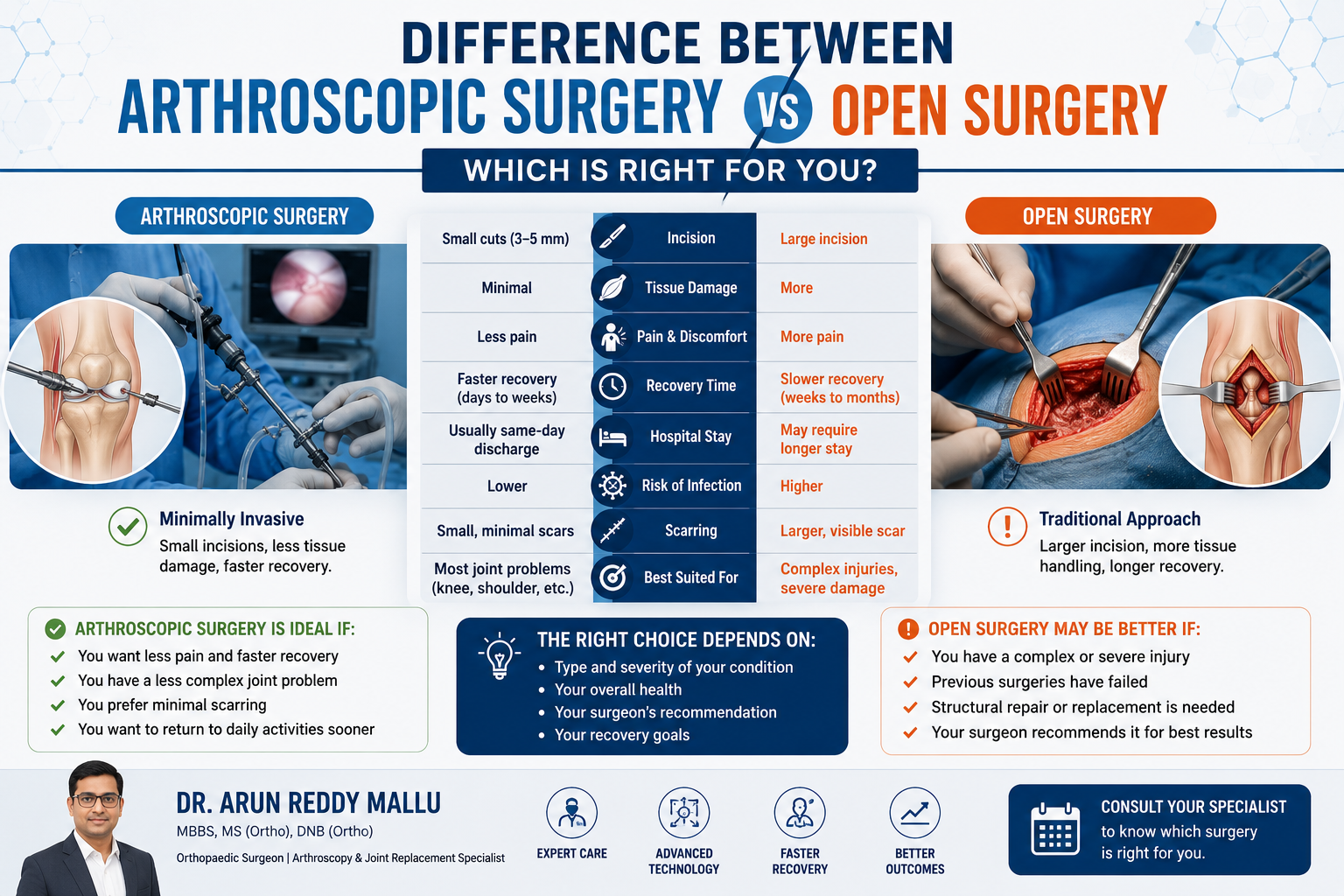
- Arthroscopic surgery
- Ligament reconstruction
- Joint preservation procedures
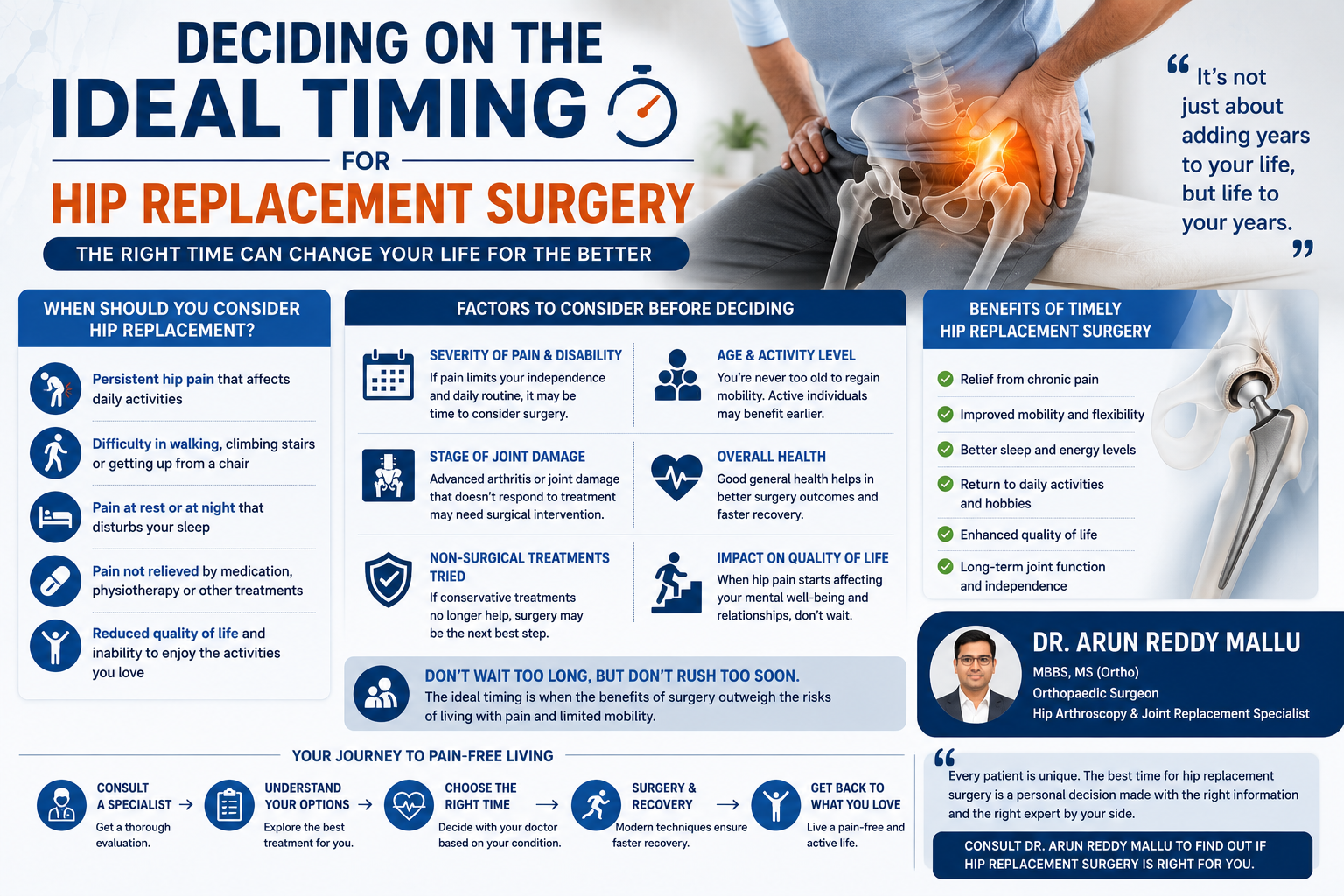
- Robotic-assisted joint replacement for severe cases
Advanced orthopedic techniques help patients recover faster and improve mobility with better precision and long-term outcomes.
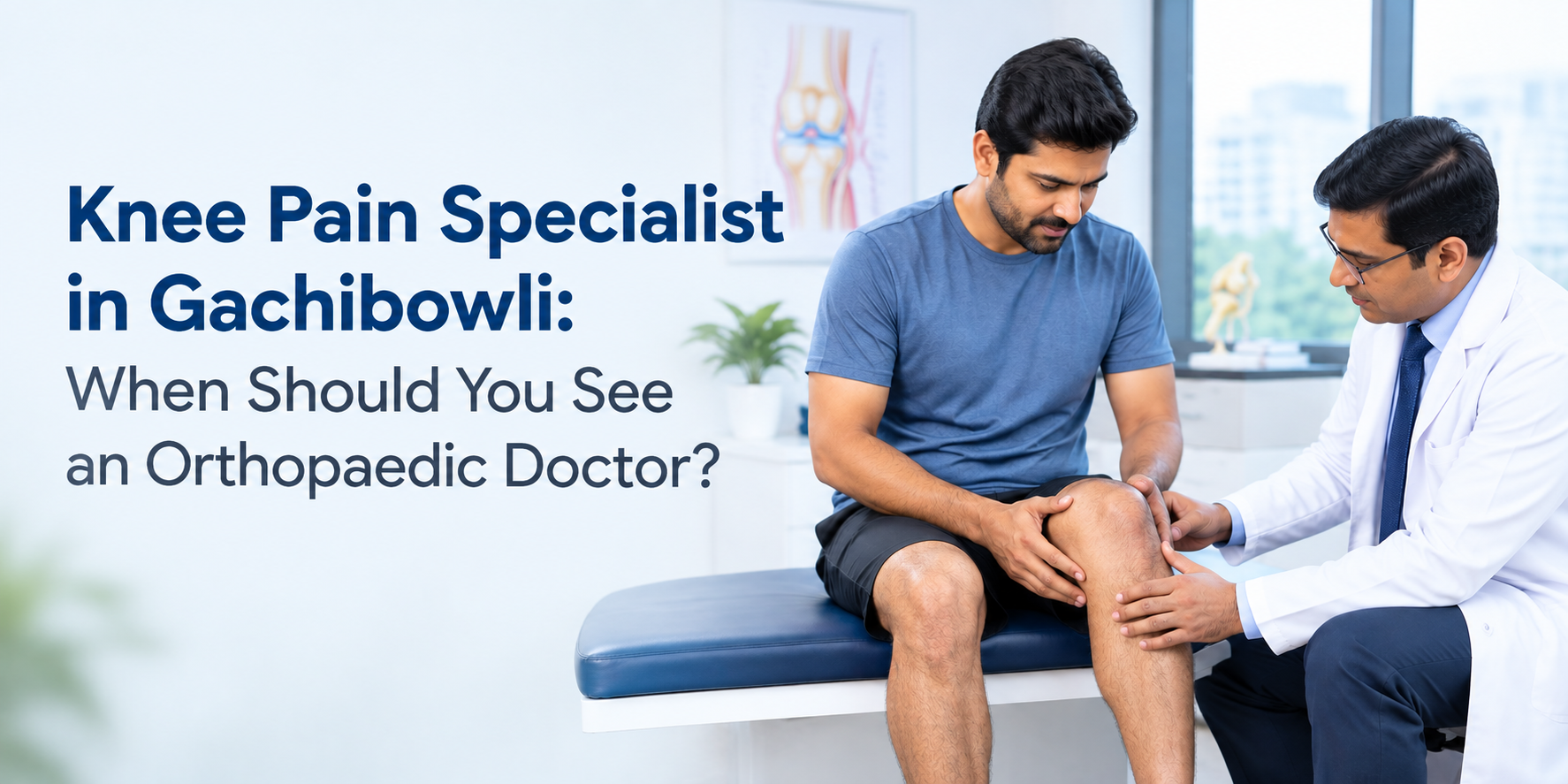
When Should You See an Orthopedic Specialist?
You should consult an orthopedic surgeon if you experience:
- Persistent joint pain
- Swelling or inflammation
- Joint stiffness
- Difficulty walking
- Clicking or grinding sounds
- Reduced flexibility
- Joint instability
- Sports-related injuries
- Pain affecting daily activities
Ignoring these symptoms may lead to permanent joint damage and more complicated treatment later.
Dr. Arun Reddy Mallu Contact Information
Call:- 9959135963
Whatsapp:- 9959135963
Facebook:- DrArunReddyMallu
Instagram:- drarunreddymallu
Youtube:- https://www.youtube.com/channel/UCt_XTYwyqpzloXtkTLblwxw
LinkedIn:- drarunmallu
Conclusion
Recognizing the early Warning Signs of Joint Damage can help protect your joints, reduce pain, and improve long-term mobility. Early orthopedic care can prevent complications and help patients maintain an active and healthy lifestyle.
Dr. Arun Reddy Mallu is widely recognized for his expertise in joint replacement surgery, arthroscopy, sports injury treatment, robotic orthopedic procedures, and complex trauma care. With advanced surgical expertise and patient-focused treatment, he has helped many patients recover mobility and improve their quality of life.
Known for advanced orthopedic care and precision-based treatment approaches, Dr. Arun Reddy Mallu is considered one of the best orthopedic surgeons in Hyderabad for knee injuries, hip problems, sports injuries, arthroscopy, and joint replacement surgeries.
If you are experiencing any early signs of joint damage, consulting an experienced orthopedic specialist like Dr. Arun Reddy Mallu at the right time can help you achieve better recovery and long-term joint health.