Early vs. Delayed Knee Replacement: Which One Is Right for You?
Knee pain can slowly take over your life—making it difficult to walk, climb stairs, or enjoy activities you once loved. When conservative treatments like medications, physiotherapy, injections, or lifestyle changes stop helping, doctors often recommend knee replacement surgery. But the big question most patients ask is: Should I get knee replacement surgery early, or wait until the pain becomes unbearable?
Choosing between early and delayed knee replacement is a critical decision that affects your long-term mobility, comfort, and overall health. In this detailed guide, we break down both options so you can make an informed choice. We also discuss how expert surgeons like Dr. Arun Reddy Mallu at Continental Hospitals guide patients toward the safest and most effective treatment plan based on their condition.
Understanding Knee Replacement Surgery
Knee replacement, or knee arthroplasty, is a procedure where a damaged knee joint is replaced with an artificial implant. It is performed when the knee joint becomes severely worn out due to conditions like osteoarthritis, rheumatoid arthritis, old injuries, or degenerative changes.
The goal of the surgery is to:
- Reduce chronic pain
- Improve mobility
- Restore quality of life
- Support long-term joint function
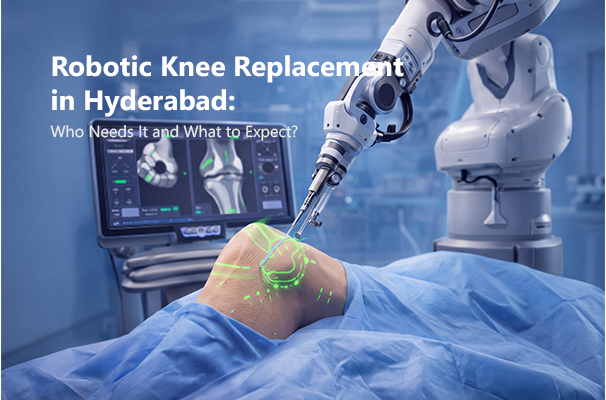
Advancements such as robotic knee replacement have made the procedure more accurate, safer, and more predictable, offering faster recovery and fewer complications.
What Is Early Knee Replacement?
Early knee replacement refers to undergoing the surgery before the joint damage becomes extreme. Patients who choose this option typically have:
- Moderate pain affecting daily life
- Early to moderate joint degeneration
- Limited benefit from non-surgical treatments
- Difficulty performing long-distance walking or exercise
Benefits of Early Knee Replacement
- Faster Recovery and Less Joint Damage
When surgery is performed earlier, surrounding tissues are healthier and inflammation is lower, making recovery smoother and faster.
- Better Long-Term Outcomes
Early surgery helps preserve your natural joint alignment and prevents further deterioration of cartilage, ligaments, and bone.
- Improved Quality of Life
You can return to normal activities much sooner—like walking, traveling, exercising, or playing with your children or grandchildren.
- Reduced Use of Pain Medicines
Delaying surgery sometimes forces patients to rely heavily on painkillers or steroid injections. Early intervention helps avoid long-term medication dependency.
What Is Delayed Knee Replacement?
Delayed or late knee replacement involves waiting until the pain becomes severe or until the joint damage reaches an advanced stage. Some choose delay because:
- They fear surgery
- They believe medications or physiotherapy may still work
- They want to postpone recovery time
- They are concerned about cost
- They are young and want to avoid implant wear-out
Benefits of Delaying Knee Replacement
- More Time to Try Non-Surgical Treatments
Physiotherapy, braces, weight loss, hyaluronic injections, and PRP therapy can sometimes manage symptoms for months or even years.
- Avoiding Early Implant Wear
Artificial knee implants last around 15–20 years on average. Younger patients may choose to delay to avoid needing a revision surgery later.
- Emotional Comfort
Some patients prefer postponing surgery until they feel mentally ready.
Risks of Delayed Knee Replacement
While delaying has a few advantages, it also comes with serious drawbacks:
- Increased Pain and Disability
As arthritis worsens, mobility decreases, leading to more stiffness, swelling, and difficulty walking.
- Poorer Surgical Outcomes
Patients who wait too long may have weaker muscles, severe bone deformities, or ligament damage, which can complicate surgery.
- Slower Postoperative Rehabilitation
The weaker your knee is before surgery, the harder it becomes to regain strength afterward.
- Higher Risk of Falling
Reduced mobility increases the chances of falls, fractures, and injury.
- Mental Health Impact
Chronic pain often leads to frustration, depression, and social withdrawal.
Who Should Consider Early Knee Replacement?
Early replacement is the right choice if:
- Your pain impacts daily routines
- You can’t walk or stand for long
- Physiotherapy and medicines no longer help
- Your sleep is affected due to joint pain
- You want to maintain an active lifestyle
Athletes, working professionals, and people who travel frequently often benefit the most from early intervention.
Who Should Wait or Delay Knee Replacement?
Delaying may be suitable for:
- Patients with mild symptoms
- Younger individuals concerned about implant life
- Those responding well to conservative treatments
- People with medical conditions requiring stabilization before surgery
However, even while delaying, regular follow-ups with an orthopedic surgeon are essential to monitor joint progression.
How Dr. Arun Reddy Mallu Helps You Decide
Choosing early vs delayed surgery isn’t a one-size-fits-all decision. Dr. Arun Reddy Mallu, one of the leading orthopedic and joint replacement surgeons at Continental Hospitals, uses a personalized evaluation approach that includes:
- Detailed physical examination
- X-rays and imaging analysis
- Assessment of joint alignment
- Evaluation of ligament and cartilage condition
- Review of your lifestyle, goals, and medical history
His expertise in robotic knee replacement ensures highly precise implant placement, reduced pain, and faster recovery—benefits especially useful for patients opting for early surgery.
What Happens if You Wait Too Long?
Patients who delay often reach a point where:
- Knee deformity increases (bow legs or knock knees)
- Walking becomes extremely painful
- They lose strength in thigh muscles
- Daily tasks like shopping or climbing stairs feel impossible
At this point, the surgery becomes more complex, and the chances of a perfect outcome decrease. Early surgery often prevents this downward spiral.
The Role of Technology in Choosing the Right Time
Modern tools like robotic navigation, digital scanning, and 3D knee joint mapping have made knee replacement safer and more predictable than ever. These advancements:
- Improve accuracy
- Reduce tissue damage
- Speed up recovery
- Ensure long-term implant stability
If you are hesitant about early surgery, discussing these advancements with your doctor can ease your concerns.
How to Know If It’s Time: Key Signs to Watch For
Here are some signs you should NOT ignore:
Persistent pain for more than six months
Difficulty standing or walking for long
Knee locking or instability
Minimal relief from physiotherapy
Stiffness that worsens in the morning
Frequent swelling
Pain while climbing stairs
Reduced participation in social or work activities
If you notice these signs, consult an orthopedic specialist for a proper assessment.
Conclusion
Early vs delayed knee replacement is a deeply personal decision, but it should be based on medical need rather than fear or confusion. Early knee replacement often offers better results, faster recovery, and improved quality of life—especially when performed by experienced surgeons like Dr. Arun Reddy Mallu at Continental Hospitals. Delaying may help some patients, but it also increases risks like severe joint damage, slower recovery, and reduced outcome success.
If knee pain is interfering with your happiness, mobility, and independence, don’t wait for it to control your life. Talk to a specialist, understand your options, and choose the path that gives you the best long-term comfort and freedom.
Early vs. Delayed Knee Replacement: Know what’s best for you with Dr. Arun Reddy Mallu at Continental Hospital — +91 99591 35963.