Which Type of Knee Replacement Is Right for You?
Knee pain is one of the most common orthopedic issues affecting millions of people worldwide, especially those over the age of 50. When conservative treatments like physical therapy, medications, or lifestyle modifications fail to bring relief, knee replacement surgery becomes a viable and effective option. But not all knee replacements are the same. Understanding the types of knee replacement surgeries available and their suitability based on individual needs is crucial to making an informed decision.
In this article, we’ll explore the different types of knee replacements, their advantages and limitations, and help you figure out which one might be right for you.
Why Do You Need Knee Replacement?
Knee replacement, or knee arthroplasty, is typically recommended for people who suffer from:
- Osteoarthritis
- Rheumatoid arthritis
- Post-traumatic arthritis
- Severe knee injury or deformity.
The goal of the surgery is to relieve pain, restore mobility, and improve the quality of life by replacing the damaged parts of the knee joint with artificial implants.
Types of Knee Replacement Surgeries
There are four main types of knee replacement surgeries:
- Total Knee Replacement (TKR)
This is the most common type of knee replacement. In this procedure, both sides of the knee joint (the femur and the tibia) are resurfaced with metal and plastic components. Sometimes, the underside of the kneecap is also replaced.
Who it’s best for:
- Patients with severe osteoarthritis
- Those with extensive joint damage
- Individuals who have tried non-surgical options without success.
Advantages:
- Long-lasting results (15–20 years or more)
- High success rate
- Improved mobility and pain relief.
Considerations:
- Longer recovery period
- More invasive than partial replacements
- Partial Knee Replacement (PKR)
Also known as unicompartmental knee replacement, this procedure involves replacing only the damaged part of the knee, usually either the inner (medial) or outer (lateral) compartment.
Who it’s best for:
- Patients with arthritis confined to one part of the knee
Advantages:
- Shorter hospital stay and quicker recovery
- Less blood loss and reduced risk of infection
- More natural knee function after surgery.
Considerations:
- Not suitable for those with widespread joint damage
- May need conversion to total knee replacement in the future.
- Kneecap Replacement (Patellofemoral Arthroplasty)
This procedure involves replacing only the underside of the kneecap and the groove it sits in. It’s relatively rare and typically performed in patients who have arthritis limited to the kneecap.
Who it’s best for:
- Individuals with isolated patellofemoral arthritis
- Younger patients with early-stage disease.
Advantages:
- Minimally invasive
- Preserves healthy bone and ligaments
- Fast recovery and natural motion.
Considerations:
- Limited long-term success
- Not suitable for patients with arthritis in other parts of the knee.
- Revision Knee Replacement
This is a repeat surgery for patients who previously had a knee replacement that has worn out, failed, or become infected.
Who it’s best for:
- Individuals with implant loosening, wear, or infection
- Patients with persistent pain or instability after a primary knee replacement.
Advantages:
- Restores function when the first implant fails
- Addresses complications from the initial surgery.
Considerations:
- Technically complex and takes longer
- Increased risk of complications
- Requires an experienced orthopedic surgeon.
Customizing Your Knee Replacement
Every patient’s condition is unique. Factors like age, weight, activity level, overall health, and severity of arthritis will influence the choice of knee replacement. Modern knee surgeries can also be tailored further with techniques like:
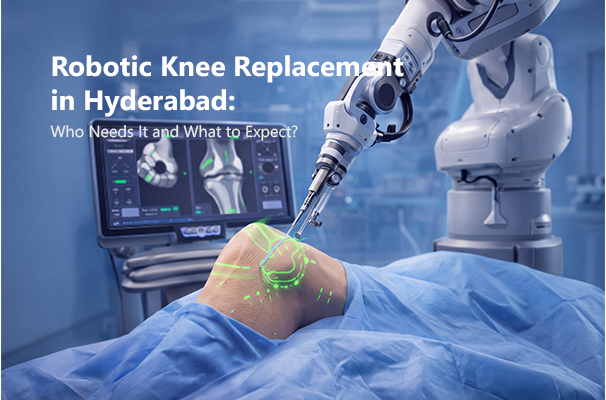
- Robotic-Assisted Knee Replacement
This advanced technology uses a robotic arm to help the surgeon perform highly accurate and customized bone cuts. It improves implant alignment and reduces variability.
Benefits:
- Greater precision
- Reduced soft tissue damage
- Faster recovery and less post-op pain.
Note: Robotic technology is used in both total and partial knee replacements and is especially helpful in younger, active patients or those with complex anatomy.
- Minimally Invasive Knee Replacement
This technique uses smaller incisions and avoids cutting muscles, resulting in faster recovery and less post-surgical pain. However, it’s suitable only for selected candidates and requires a skilled surgeon
How to Decide Which One Is Right for You?
Here are a few guiding factors to help you understand which type of knee replacement may suit your condition:
Criteria | Best Option |
| Widespread arthritis damage | Total Knee Replacement |
| Localized damage to one compartment | Partial Knee Replacement |
| Arthritis limited to kneecap area | Kneecap Replacement |
| Prior knee surgery failure | Revision Knee Replacement |
| Desire for quicker recovery and precision | Robotic-Assisted Surgery |
It’s essential to consult with an orthopedic surgeon who can evaluate your joint structure through X-rays, MRIs, and physical examination. Dr. Arun Reddy Mallu, a renowned knee specialist, often stresses the importance of a thorough assessment before choosing the right surgical option for long-term success.
What to Expect After Knee Replacement
Regardless of the type of surgery, a structured rehabilitation plan is vital for recovery. You can expect:
- Pain management through medications and ice packs
- Physical therapy for strengthening and range of motion
- Use of crutches or walkers for a few weeks
- Return to routine activities within 6 to 12 weeks
Full recovery can take up to 6 months for total knee replacements, while partial procedures may see quicker results.
Lifestyle changes like maintaining a healthy weight, staying active with low-impact exercises (like walking, cycling, or swimming), and regular follow-ups can extend the life of your implant.
Risks and Complications
While knee replacement surgeries are generally safe and successful, they still carry certain risks:
- Infection
- Blood clots
- Implant loosening or wear
- Nerve injury
- Persistent stiffness or pain
Choosing an experienced surgeon and following post-op care instructions carefully can significantly reduce these risks. Patients under the care of experts Dr. Arun Reddy Mallu often benefit from personalized surgical planning and comprehensive post-surgery guidance.
Conclusion
Choosing the right type of knee replacement surgery is a highly individual decision that depends on your health status, lifestyle, and goals. Whether it’s a total replacement or a minimally invasive partial procedure, advances in medical technology now offer better outcomes and faster recovery times than ever before.
The key to a successful knee replacement lies not only in selecting the appropriate procedure but also in partnering with an experienced orthopedic surgeon who can guide you through the entire process—from diagnosis to full recovery.
If you’re suffering from chronic knee pain and considering surgery, it’s time to take a step toward a more active and pain-free life.
Schedule a consultation with a trusted orthopedic specialist, Dr. Arun Reddy Mallu at Continental Hospitals, to explore the best treatment options tailored to your needs.