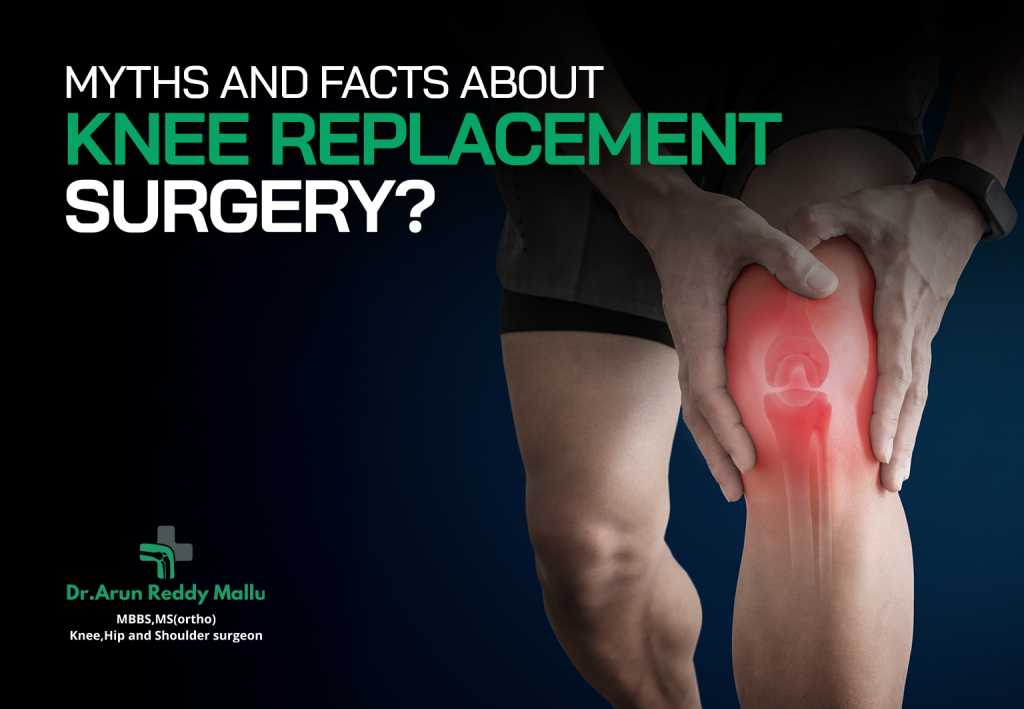
Myths and Facts About Knee Replacement Surgery: Facts and Tips for a Smooth Recovery
Knee replacement surgery has become a common and highly effective treatment for people suffering from severe arthritis or knee injuries. However, despite its increasing success rate, many myths and misconceptions still surround the procedure. These myths can create unnecessary fear, confusion, or hesitation among patients. Understanding the facts can help individuals make informed decisions and prepare for a smooth recovery.
Common Myths and the Real Facts
Myth 1: Knee replacement is only for the elderly.
Fact: Age is just a number when it comes to joint health. While knee replacements were traditionally associated with older adults, the decision today is driven more by the severity of joint damage, chronic pain, and how much it limits daily life, not just age.
Many patients in their 40s and 50s, especially those with sports injuries, arthritis, or previous trauma, are now opting for knee replacement when conservative treatments no longer provide relief. Thanks to advanced surgical methods and next-gen implants, Dr. Arun Reddy Mallu delivers excellent outcomes even in younger patients, restoring mobility, reducing pain, and helping them return to an active lifestyle with confidence.
Myth 2: Knee Replacement Means Being Stuck in Bed for Months
Fact: This is one of the most common—and outdated—misconceptions about knee replacement surgery. Thanks to advancements in surgical techniques, anesthesia, and post-operative care, prolonged bed rest is a thing of the past. Under the expert care of Dr. Arun Reddy Mallu, most patients are encouraged to stand and walk with assistance within 24 to 48 hours after surgery. What used to be a weeks-long hospital stay has now been reduced to just 2 to 3 days, thanks to modern Enhanced Recovery After Surgery (ERAS) protocols. With a carefully guided rehabilitation plan, many individuals can return to light daily activities within 3 to 6 weeks.
Full recovery does take time, but it’s an active process, not a passive one. Immobility and long-term bed rest are no longer part of today’s knee replacement experience.
Myth 3:Artificial Knee Replacement will not feel normal
Fact: With conventional techniques, that might be true. But not with Dr. Arun Reddy Mallu. Using advanced robotic technology with kinematic and reverse kinematic alignment, Dr. Arun ensures that your new knee mimics your natural joint movement.
🎯 Result? Patients often report that their knee feels more natural, stable, and pain-free, like it did when they were younger.
Myth 4: You can’t kneel after knee replacement.
Fact: It’s a common concern, but the reality is more encouraging. While many patients feel hesitant to kneel post-surgery—either due to initial discomfort or fear of harming the implant—kneeling is typically safe after full recovery. The sensation might feel different or slightly awkward at first, but with time, physical therapy, and guidance from Dr. Arun Reddy Mallu, most patients can comfortably return to activities like kneeling. Regular follow-ups and a gradual reintroduction of movements help build both confidence and mobility. Don’t let myths hold you back—regaining everyday movements is possible with the right care.
Myth 5: Surgery is always the last resort.
Fact: While it’s true that non-surgical treatments—such as physical therapy, medications, and lifestyle modifications—are typically the first line of management, delaying surgery for too long can do more harm than good. When knee pain begins to severely affect your daily activities, sleep, and overall quality of life, it’s time to consider surgery, not as a last resort, but as a proactive step toward better living.
Prolonged avoidance can lead to complications like muscle wasting, joint deformities, and increased stiffness, making both the surgery and recovery process more challenging. Consulting Dr. Arun Reddy Mallu early ensures a personalized treatment plan and timely intervention, helping you return to an active, pain-free life sooner.
Essential Facts About Knee Replacement
- High Success Rate
Modern knee replacement surgeries have a success rate of over 90%. Implants can last 15 to 20 years or longer with proper care, and many patients report substantial pain relief and improved function.
- Personalized Treatment Plans
Not all knee replacements are the same. Depending on the damage and patient needs, options include partial or total knee replacement. Surgeons tailor the approach based on the patient’s lifestyle, weight, activity level, and medical history.
- Minimally Invasive Techniques
Minimally invasive or computer-assisted knee replacement methods result in smaller incisions, less pain, reduced hospital stays, and quicker rehabilitation.
- Physical Therapy Is Key
Physical therapy plays a crucial role in recovery. Starting therapy early helps reduce stiffness, build muscle strength, and restore knee function. It also educates patients on how to move safely and regain independence.
- Weight and Nutrition Impact Recovery
Maintaining a healthy weight reduces pressure on the new joint. Nutritional support before and after surgery can promote healing, boost immunity, and prevent complications.
Tips for a Smooth Recovery After Knee Replacement
- Prepare Your Home
Before surgery, organize your living space to make post-operative life easier. Install handrails in bathrooms, keep essentials within reach, and remove trip hazards. Consider using assistive devices like walkers, raised toilet seats, and shower chairs.
- Follow Your Doctor’s Instructions
Adhere to all post-operative care guidelines, including medication schedules, wound care, and activity levels. Attend follow-up appointments regularly to monitor your progress.
- Be Consistent With Physical Therapy
Don’t skip physical therapy sessions. Your therapist will guide you through exercises that promote joint flexibility, muscle strength, and balance. Following their plan can accelerate your return to normal activity.
- Manage Pain Wisely
Pain is expected after surgery, but it can be managed with medications, ice packs, and rest. Proper pain control helps you stay active in your recovery program. Speak to your doctor if you experience excessive or prolonged pain.
- Stay Active, But Don’t Overdo It
Gradual, safe movement helps prevent complications like blood clots and stiffness. Start walking short distances and increase slowly under guidance. Avoid high-impact activities until your doctor gives the green light.
- Practice Patience
Full recovery can take anywhere from 3 to 6 months, with some patients taking up to a year to feel completely normal. Don’t rush the process. Listen to your body and focus on steady progress rather than perfection.
- Eat a Balanced Diet
A diet rich in protein, vitamins, and minerals aids healing. Stay hydrated, and avoid excessive sugar or processed foods that can increase inflammation and slow recovery.
- Watch for Warning Signs
Monitor for symptoms like swelling, redness, persistent fever, or unusual drainage from the wound. Promptly reporting any issues to your healthcare provider can prevent serious complications.
Conclusion
Knee replacement surgery is a proven solution for chronic knee pain and limited mobility. By separating myth from reality and following a structured recovery plan, patients can return to active and fulfilling lives. If you’re considering knee replacement, consult a qualified orthopedic surgeon to discuss your options and get personalized advice. With the right expectations, support, and mindset, a smooth and successful recovery is within reach.
Explore the latest in knee replacement technology with Dr. Arun Reddy Mallu at Continental Hospitals.