
Which Type of Knee Replacement Is Right for You?
Which Type of Knee Replacement Is Right for You? Knee pain is one of the most common orthopedic issues affecting millions of people worldwide, especially those over the age of 50. When conservative treatments like physical therapy, medications, or lifestyle modifications fail to bring relief, knee replacement surgery becomes a viable and effective option. But not all knee replacements are the same. Understanding the types of knee replacement surgeries available and their suitability based on individual needs is crucial to making an informed decision. In this article, we’ll explore the different types of knee replacements, their advantages and limitations, and help you figure out which one might be right for you. Why Do You Need Knee Replacement? Knee replacement, or knee arthroplasty, is typically recommended for people who suffer from: Osteoarthritis Rheumatoid arthritis Post-traumatic arthritis Severe knee injury or deformity. The goal of the surgery is to relieve pain, restore mobility, and improve the quality of life by replacing the damaged parts of the knee joint with artificial implants. Types of Knee Replacement Surgeries There are four main types of knee replacement surgeries: Total Knee Replacement (TKR) This is the most common type of knee replacement. In this procedure, both sides of the knee joint (the femur and the tibia) are resurfaced with metal and plastic components. Sometimes, the underside of the kneecap is also replaced. Who it’s best for: Patients with severe osteoarthritis Those with extensive joint damage Individuals who have tried non-surgical options without success. Advantages: Long-lasting results (15–20 years or more) High success rate Improved mobility and pain relief. Considerations: Longer recovery period More invasive than partial replacements Partial Knee Replacement (PKR) Also known as unicompartmental knee replacement, this procedure involves replacing only the damaged part of the knee, usually either the inner (medial) or outer (lateral) compartment. Who it’s best for: Patients with arthritis confined to one part of the knee Advantages: Shorter hospital stay and quicker recovery Less blood loss and reduced risk of infection More natural knee function after surgery. Considerations: Not suitable for those with widespread joint damage May need conversion to total knee replacement in the future. Kneecap Replacement (Patellofemoral Arthroplasty) This procedure involves replacing only the underside of the kneecap and the groove it sits in. It’s relatively rare and typically performed in patients who have arthritis limited to the kneecap. Who it’s best for: Individuals with isolated patellofemoral arthritis Younger patients with early-stage disease. Advantages: Minimally invasive Preserves healthy bone and ligaments Fast recovery and natural motion. Considerations: Limited long-term success Not suitable for patients with arthritis in other parts of the knee. Revision Knee Replacement This is a repeat surgery for patients who previously had a knee replacement that has worn out, failed, or become infected. Who it’s best for: Individuals with implant loosening, wear, or infection Patients with persistent pain or instability after a primary knee replacement. Advantages: Restores function when the first implant fails Addresses complications from the initial surgery. Considerations: Technically complex and takes longer Increased risk of complications Requires an experienced orthopedic surgeon. Customizing Your Knee Replacement Every patient’s condition is unique. Factors like age, weight, activity level, overall health, and severity of arthritis will influence the choice of knee replacement. Modern knee surgeries can also be tailored further with techniques like: Robotic-Assisted Knee Replacement This advanced technology uses a robotic arm to help the surgeon perform highly accurate and customized bone cuts. It improves implant alignment and reduces variability. Benefits: Greater precision Reduced soft tissue damage Faster recovery and less post-op pain. Note: Robotic technology is used in both total and partial knee replacements and is especially helpful in younger, active patients or those with complex anatomy. Minimally Invasive Knee Replacement This technique uses smaller incisions and avoids cutting muscles, resulting in faster recovery and less post-surgical pain. However, it’s suitable only for selected candidates and requires a skilled surgeon How to Decide Which One Is Right for You? Here are a few guiding factors to help you understand which type of knee replacement may suit your condition: Criteria Best Option Widespread arthritis damage Total Knee Replacement Localized damage to one compartment Partial Knee Replacement Arthritis limited to kneecap area Kneecap Replacement Prior knee surgery failure Revision Knee Replacement Desire for quicker recovery and precision Robotic-Assisted Surgery It’s essential to consult with an orthopedic surgeon who can evaluate your joint structure through X-rays, MRIs, and physical examination. Dr. Arun Reddy Mallu, a renowned knee specialist, often stresses the importance of a thorough assessment before choosing the right surgical option for long-term success. What to Expect After Knee Replacement Regardless of the type of surgery, a structured rehabilitation plan is vital for recovery. You can expect: Pain management through medications and ice packs Physical therapy for strengthening and range of motion Use of crutches or walkers for a few weeks Return to routine activities within 6 to 12 weeks Full recovery can take up to 6 months for total knee replacements, while partial procedures may see quicker results. Lifestyle changes like maintaining a healthy weight, staying active with low-impact exercises (like walking, cycling, or swimming), and regular follow-ups can extend the life of your implant. Risks and Complications While knee replacement surgeries are generally safe and successful, they still carry certain risks: Infection Blood clots Implant loosening or wear Nerve injury Persistent stiffness or pain Choosing an experienced surgeon and following post-op care instructions carefully can significantly reduce these risks. Patients under the care of experts Dr. Arun Reddy Mallu often benefit from personalized surgical planning and comprehensive post-surgery guidance. Conclusion Choosing the right type of knee replacement surgery is a highly individual decision that depends on your health status, lifestyle, and goals. Whether it’s a total replacement or a minimally invasive partial procedure, advances in medical technology now offer better outcomes and faster recovery times than ever before. The key to a successful knee replacement lies not only in selecting the appropriate procedure but also in partnering with an experienced orthopedic surgeon who can guide you through the entire process—from diagnosis to full recovery.
What Influences the Success of Knee Replacement Surgery?
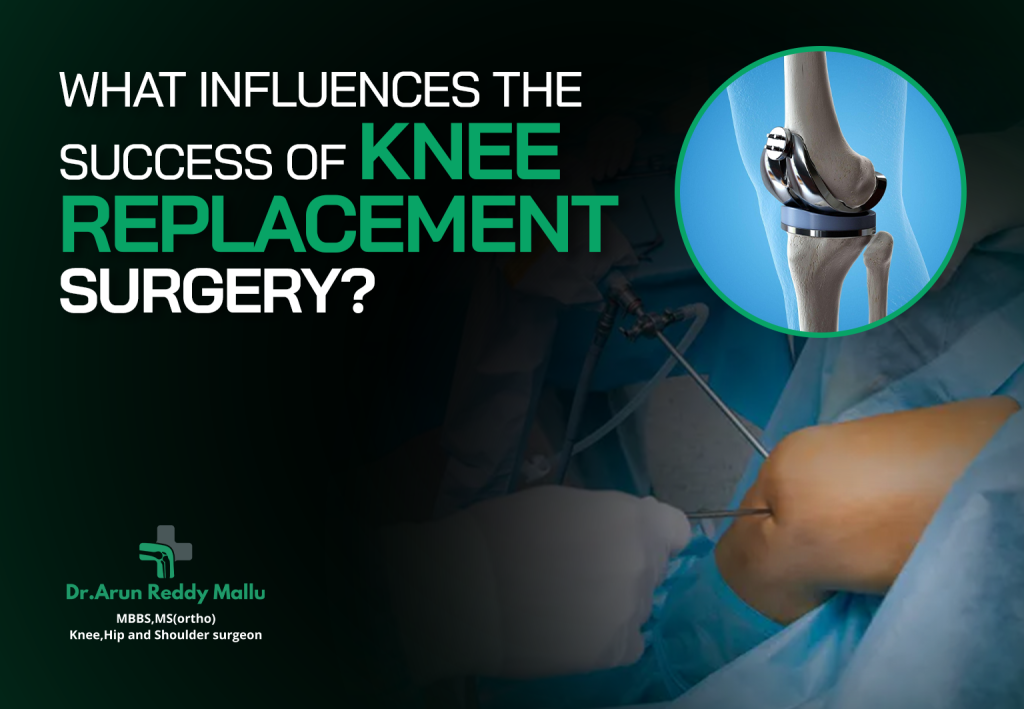
What Influences the Success of Knee Replacement Surgery? Knee replacement surgery, is a widely performed procedure that has helped millions of individuals regain mobility and lead pain-free lives. It is primarily recommended for patients suffering from severe osteoarthritis, rheumatoid arthritis, or traumatic joint injuries that no longer respond to non-surgical treatments like physiotherapy or medications. While the success rate of knee replacement surgery is high, outcomes can vary depending on several key factors. These include the patient’s overall health, the expertise of the surgeon, the type of implant used, and the effectiveness of rehabilitation. What Is Knee Replacement Surgery? Knee replacement surgery involves removing the damaged portions of the knee joint and replacing them with artificial components made from metal and plastic. These components are designed to replicate the movement of a healthy knee, reduce pain, and restore function. There are two main types of procedures: Total Knee Replacement (TKR):Replacement of the entire joint. Partial Knee Replacement (PKR):Replacement of only the damaged part of the joint, leaving healthy areas intact. The procedure chosen depends on the extent of joint damage and the patient’s activity level, age, and overall health. How Is Success Measured? A successful knee replacement is not just about how well the surgery is performed, but also about the long-term outcome. Key indicators of success include: Relief from chronic knee pain Improved joint function and flexibility Long-lasting performance of the implant (15–20+ years) High patient satisfaction Ability to return to daily activities or moderate exercise Renowned orthopedic surgeon Dr. Arun Reddy Mallu notes that successful outcomes also depend on patient commitment to recovery and follow-up care, not just surgical precision. Factors That Influence the Success of Knee Replacement Surgery Patient’s Overall Health Patients with chronic conditions like diabetes, heart disease, or autoimmune disorders may face slower healing or a higher risk of infection. Preoperative assessments are crucial to prepare the body for surgery and reduce risks. Maintaining good general health before surgery—including quitting smoking, managing weight, and controlling blood sugar—is essential to ensure optimal recovery. Body Weight and Fitness Level Higher body weight places increased stress on the knee joint, which can affect implant durability. Obese patients may also face a longer recovery timeline and a greater risk of complications such as infection or implant loosening. Surgeons often recommend weight loss and strengthening exercises before surgery to improve surgical outcomes and post-surgery performance. Age and Activity Knee replacement can be performed at any age, but most patients are between 55 and 75 years old. Younger, more active patients may put more stress on their implants, requiring revision surgery later in life. Older patients, on the other hand, may have more moderate expectations and lower-impact lifestyles, which may lead to longer-lasting results. Extent of Knee Damage The condition of the joint and surrounding tissues prior to surgery also influences success. Severe deformities, loss of muscle strength, or stiffness in the knee can make surgery more complex and prolong recovery. Early intervention can prevent further joint damage and may improve surgical outcomes. Surgical Skill and Experience The experience and technique of the orthopedic surgeon is one of the most critical success factors. Proper alignment, implant placement, and attention to detail can prevent early wear or imbalance in the joint. Patients are encouraged to choose a specialist with a strong track record in joint replacement. For example, Dr. Arun Reddy Mallu, a respected name in knee and joint surgeries, combines surgical precision with a patient-focused approach to deliver long-term results. Type and Quality of Implant Modern implants are designed to mimic the natural movement of the knee and are made of highly durable materials like cobalt-chromium or titanium alloys. The choice of implant should be customized based on the patient’s age, activity level, and anatomy. While no implant lasts forever, most high-quality prosthetics function well for 15–20 years or more. Postoperative Rehabilitation Recovery doesn’t end in the operating room. A structured rehabilitation plan is crucial for regaining strength, flexibility, and confidence. Patients who attend regular physiotherapy sessions and stay active typically recover faster and achieve better long-term function. Those who neglect rehab may face stiffness, pain, or reduced mobility. Pain Management and Follow-Up Care Controlling pain after surgery allows patients to begin rehabilitation sooner and more comfortably. Medications, ice therapy, and guided movement all help manage pain effectively. Follow-up appointments are also essential to track healing, ensure proper implant positioning, and catch potential issues early. Lifestyle Modifications Post-Surgery Making certain lifestyle changes after surgery can greatly extend the life of the implant. Patients are advised to: Avoid high-impact sports like running or jumping Focus on low-impact exercises such as walking, swimming, or cycling Maintain a healthy weight Keep up with annual orthopedic checkups Consistent care and sensible activity choices are key to preserving joint function. Common Challenges After Knee Replacement Despite the high success rate, some patients may experience: Infection at the surgical site Blood clots Implant loosening or wear Ongoing stiffness or pain These issues are rare but can usually be managed if detected early. That’s why ongoing communication with your orthopedic surgeon is important. Conclusion Knee replacement surgery offers lasting relief from pain and significantly improves quality of life for people with severe joint problems. However, the success of the procedure depends on multiple factors—including the patient’s health, their commitment to recovery, and the skill of the surgeon. By working with an experienced specialist like Dr. Arun Reddy Mallu, following medical advice, and staying consistent with post-surgery rehabilitation, patients can expect excellent results and a much-improved lifestyle. Receive top-quality knee replacement treatment and expert care from Dr. Arun Reddy Mallu at Continental Hospitals.
Tips for a Smooth Recovery at Home After Knee Replacement Surgery

Tips for a Smooth Recovery at Home After Knee Replacement Surgery Knee replacement surgery is a life-changing procedure that can restore mobility and significantly reduce pain caused by conditions like osteoarthritis, rheumatoid arthritis, or post-traumatic joint damage. While the surgery itself is critical, a successful recovery at home is just as important to regain full function of the knee. If you’re preparing for or have recently undergone knee replacement, this guide offers valuable tips to ensure a smooth recovery process from the comfort of your home. Understanding the Recovery Journey After a knee replacement, your recovery continues well beyond the hospital stay. Most patients return home within a few days post-surgery. From this point, the responsibility of care, exercise, and progress lies largely with the patient and their caregivers. Dr. Arun Reddy Mallu, an experienced orthopedic surgeon known for his advanced approach to knee replacement surgeries, emphasizes that proper rehabilitation at home can drastically improve the long-term success of the procedure. Here are some expert-recommended tips to support your knee recovery journey at home: 1. Follow Your Surgeon’s Instructions Closely Post-operative care instructions provided by your surgeon are tailored to your specific needs. Dr. Arun Reddy Mallu advises patients to strictly follow the prescribed medication schedule, wound care routine, and movement restrictions. Do not skip any appointments and report any unusual symptoms like swelling, redness, or fever immediately. 2. Create a Safe and Supportive Home Environment Before you return home, make necessary modifications to reduce the risk of slips and falls. Here are a few safety tips: Remove rugs or obstacles that could cause tripping. Install handrails in bathrooms and stairways. Keep commonly used items within easy reach to avoid bending or stretching. Use a raised toilet seat and shower chair for ease and comfort. This safety preparation will ensure your new knee is protected while you regain strength and mobility. 3. Commit to Your Physical Therapy Program Physical therapy is the cornerstone of knee recovery. Once home, it’s vital to continue your prescribed exercises every day. These exercises help to: Improve joint mobility Prevent stiffness Strengthen the muscles around your knee Regain full range of motion Dr. Arun Reddy Mallu stresses the importance of early movement and consistent rehabilitation. Missing your daily exercises can slow down your progress and increase the risk of complications. 4. Manage Pain Effectively Pain is a natural part of recovery, but it should be controlled for you to stay active and heal properly. Your doctor may prescribe medications for pain relief, and you can also try: Using ice packs on the knee to reduce swelling Elevating the leg to promote blood flow Resting as needed, especially after exercising However, never ignore severe or persistent pain. It could indicate a complication and should be reported to your healthcare provider immediately. 5. Eat a Balanced, Nutrient-Rich Diet Your body needs proper fuel to heal. Focus on a diet rich in: Lean proteins (chicken, fish, tofu) to rebuild tissue Leafy greens and fruits for vitamins and antioxidants Whole grains for energy Dairy or calcium-rich foods to strengthen bones Avoid foods high in sugar, salt, or processed ingredients, as they can increase inflammation and slow healing. Stay hydrated by drinking plenty of water throughout the day. 6. Keep Your Wound Clean and Dry Post-surgery, you’ll have a bandage over the incision area. Keeping this area clean and dry helps prevent infections. Follow these steps: Change dressings as advised by your doctor. Avoid soaking the knee in baths or pools until you’re cleared. Monitor for signs of infection like increased warmth, discharge, or a foul smell. Dr. Arun Reddy Mallu emphasizes proper wound care as a top priority during the first few weeks post-surgery. 7. Use Assistive Devices as Needed In the early days of recovery, you may be advised to use crutches, a walker, or a cane. These tools help support your balance and reduce the strain on your new knee. Don’t rush to walk unaided — listen to your therapist and surgeon. Using these devices properly can prevent falls and promote better healing. 8. Monitor Your Progress Tracking your progress can be motivating. Keep a simple journal of: Pain levels Range of motion Ability to perform daily activities Changes in swelling or mobility This will help you stay focused and share accurate information with your doctor during follow-ups. 9. Get Enough Rest and Sleep Recovery isn’t just about movement — rest is equally crucial. Your body needs sleep to repair tissues and reduce inflammation. Try to: Maintain a regular sleep schedule Use pillows to support your knee while sleeping Avoid screens before bed for better rest quality If you’re having trouble sleeping due to discomfort, talk to your doctor about ways to improve sleep during recovery. 10. Stay Positive and Be Patient Recovery from knee replacement surgery is a gradual process. Some days will be better than others, and it’s important to stay patient. Surround yourself with supportive family members or friends who can assist you physically and emotionally. Dr. Arun Reddy Mallu reminds patients that steady, consistent effort yields the best results. Don’t compare your progress to others — everyone’s healing journey is different. Conclusion A successful knee replacement is just the beginning — the real success lies in how well you manage your recovery at home. By following the right precautions, maintaining a positive mindset, and committing to rehabilitation, you can regain strength, mobility, and independence. Under the guidance of specialists like Dr. Arun Reddy Mallu, many patients have returned to an active, pain-free lifestyle. With patience, dedication, and proper care, you too can make the most out of your new knee and enjoy a better quality of life. Explore the latest in advanced knee replacement treatments by checking out Dr. Arun Reddy Mallu’s profile at Continental Hospitals.
Myths and Facts About Knee Replacement Surgery: Facts and Tips for a Smooth Recovery
Myths and Facts About Knee Replacement Surgery: Facts and Tips for a Smooth Recovery Knee replacement surgery has become a common and highly effective treatment for people suffering from severe arthritis or knee injuries. However, despite its increasing success rate, many myths and misconceptions still surround the procedure. These myths can create unnecessary fear, confusion, or hesitation among patients. Understanding the facts can help individuals make informed decisions and prepare for a smooth recovery. Common Myths and the Real Facts Myth 1: Knee replacement is only for the elderly. Fact: Age is just a number when it comes to joint health. While knee replacements were traditionally associated with older adults, the decision today is driven more by the severity of joint damage, chronic pain, and how much it limits daily life, not just age. Many patients in their 40s and 50s, especially those with sports injuries, arthritis, or previous trauma, are now opting for knee replacement when conservative treatments no longer provide relief. Thanks to advanced surgical methods and next-gen implants, Dr. Arun Reddy Mallu delivers excellent outcomes even in younger patients, restoring mobility, reducing pain, and helping them return to an active lifestyle with confidence. Myth 2: Knee Replacement Means Being Stuck in Bed for Months Fact: This is one of the most common—and outdated—misconceptions about knee replacement surgery. Thanks to advancements in surgical techniques, anesthesia, and post-operative care, prolonged bed rest is a thing of the past. Under the expert care of Dr. Arun Reddy Mallu, most patients are encouraged to stand and walk with assistance within 24 to 48 hours after surgery. What used to be a weeks-long hospital stay has now been reduced to just 2 to 3 days, thanks to modern Enhanced Recovery After Surgery (ERAS) protocols. With a carefully guided rehabilitation plan, many individuals can return to light daily activities within 3 to 6 weeks. Full recovery does take time, but it’s an active process, not a passive one. Immobility and long-term bed rest are no longer part of today’s knee replacement experience. Myth 3:Artificial Knee Replacement will not feel normal Fact: With conventional techniques, that might be true. But not with Dr. Arun Reddy Mallu. Using advanced robotic technology with kinematic and reverse kinematic alignment, Dr. Arun ensures that your new knee mimics your natural joint movement. 🎯 Result? Patients often report that their knee feels more natural, stable, and pain-free, like it did when they were younger. Myth 4: You can’t kneel after knee replacement. Fact: It’s a common concern, but the reality is more encouraging. While many patients feel hesitant to kneel post-surgery—either due to initial discomfort or fear of harming the implant—kneeling is typically safe after full recovery. The sensation might feel different or slightly awkward at first, but with time, physical therapy, and guidance from Dr. Arun Reddy Mallu, most patients can comfortably return to activities like kneeling. Regular follow-ups and a gradual reintroduction of movements help build both confidence and mobility. Don’t let myths hold you back—regaining everyday movements is possible with the right care. Myth 5: Surgery is always the last resort. Fact: While it’s true that non-surgical treatments—such as physical therapy, medications, and lifestyle modifications—are typically the first line of management, delaying surgery for too long can do more harm than good. When knee pain begins to severely affect your daily activities, sleep, and overall quality of life, it’s time to consider surgery, not as a last resort, but as a proactive step toward better living. Prolonged avoidance can lead to complications like muscle wasting, joint deformities, and increased stiffness, making both the surgery and recovery process more challenging. Consulting Dr. Arun Reddy Mallu early ensures a personalized treatment plan and timely intervention, helping you return to an active, pain-free life sooner. Essential Facts About Knee Replacement High Success Rate Modern knee replacement surgeries have a success rate of over 90%. Implants can last 15 to 20 years or longer with proper care, and many patients report substantial pain relief and improved function. Personalized Treatment Plans Not all knee replacements are the same. Depending on the damage and patient needs, options include partial or total knee replacement. Surgeons tailor the approach based on the patient’s lifestyle, weight, activity level, and medical history. Minimally Invasive Techniques Minimally invasive or computer-assisted knee replacement methods result in smaller incisions, less pain, reduced hospital stays, and quicker rehabilitation. Physical Therapy Is Key Physical therapy plays a crucial role in recovery. Starting therapy early helps reduce stiffness, build muscle strength, and restore knee function. It also educates patients on how to move safely and regain independence. Weight and Nutrition Impact Recovery Maintaining a healthy weight reduces pressure on the new joint. Nutritional support before and after surgery can promote healing, boost immunity, and prevent complications. Tips for a Smooth Recovery After Knee Replacement Prepare Your Home Before surgery, organize your living space to make post-operative life easier. Install handrails in bathrooms, keep essentials within reach, and remove trip hazards. Consider using assistive devices like walkers, raised toilet seats, and shower chairs. Follow Your Doctor’s Instructions Adhere to all post-operative care guidelines, including medication schedules, wound care, and activity levels. Attend follow-up appointments regularly to monitor your progress. Be Consistent With Physical Therapy Don’t skip physical therapy sessions. Your therapist will guide you through exercises that promote joint flexibility, muscle strength, and balance. Following their plan can accelerate your return to normal activity. Manage Pain Wisely Pain is expected after surgery, but it can be managed with medications, ice packs, and rest. Proper pain control helps you stay active in your recovery program. Speak to your doctor if you experience excessive or prolonged pain. Stay Active, But Don’t Overdo It Gradual, safe movement helps prevent complications like blood clots and stiffness. Start walking short distances and increase slowly under guidance. Avoid high-impact activities until your doctor gives the green light. Practice Patience Full recovery can take anywhere from 3 to 6 months, with some patients taking up to a year to