
How to Know if You Sprained Your Ankle?
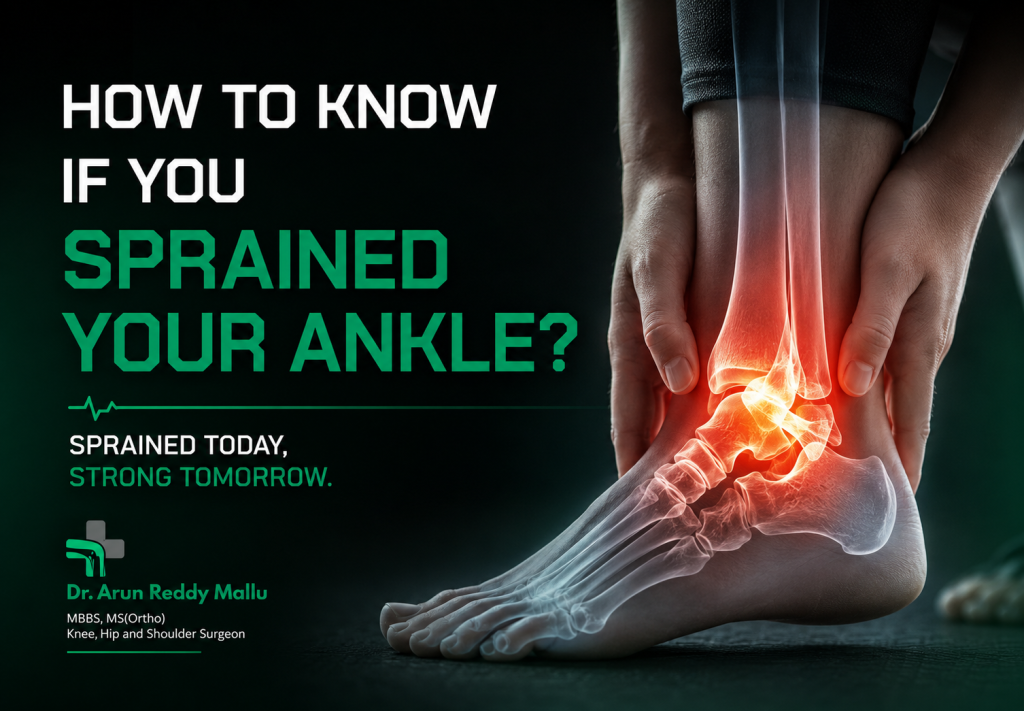
Sprained Your Ankle – An ankle sprain is one of the most common orthopedic injuries affecting people of all ages. Whether it happens during sports, exercise, walking on uneven surfaces, or even during daily activities, a sprained ankle can cause pain, swelling, and difficulty walking. Many people ignore mild ankle injuries, assuming the pain will go away on its own. However, untreated ankle sprains can sometimes lead to long-term instability and repeated injuries. Understanding the symptoms of a Sprained your Ankle condition can help you seek timely treatment and prevent complications. According to Dr. Arun Reddy Mallu, early diagnosis and proper orthopedic care play a major role in faster recovery and long-term ankle stability. What Happens When You Sprain Your Ankle? A sprained ankle occurs when the ligaments supporting the ankle joint are stretched or torn. Ligaments are strong bands of tissue that stabilize the joint and prevent excessive movement. Most ankle sprains happen when the foot twists inward suddenly, causing damage to the outer ankle ligaments. Sports activities, sudden falls, awkward landings, or walking on uneven ground are some of the most common causes. The severity of the injury may vary from mild ligament stretching to complete tears. Common Causes of Sprained Your Ankle Injuries There are several situations where people may accidentally experience a Sprained your Ankle injury, including: Sports injuries during running or jumping Sudden twisting movements Slipping or falling Walking on uneven surfaces Wearing improper footwear Weak ankle muscles or previous ankle injuries Athletes and physically active individuals are particularly at higher risk of ankle sprains. Immediate Pain Around the Ankle One of the first signs that you may have Sprained your Ankle is sudden pain around the ankle joint. The pain may begin immediately after twisting the ankle and can worsen while standing or walking. Some people experience sharp pain at the moment of injury, while others may notice gradual discomfort and stiffness afterward. Pain intensity usually depends on the severity of the ligament damage. Swelling and Inflammation Swelling is one of the most common symptoms of an ankle sprain. The injured ligaments become inflamed, leading to puffiness around the ankle area. You may notice: Swelling around the ankle Warmth near the injured area Tenderness while touching the ankle Tightness in the joint Swelling may appear immediately or develop gradually over several hours after the injury. Bruising Around the Ankle Bruising is another common sign that you may have Sprained your Ankle. Damaged blood vessels around the ligament can cause blue, purple, or black discoloration around the ankle and foot. Bruising often appears within 24 to 48 hours after the injury and may spread to nearby areas. Difficulty Walking People with ankle sprains often experience difficulty walking or putting weight on the affected foot. Severe ligament injuries may cause instability, making it painful to stand or move normally. Some individuals feel like the ankle is weak or unable to support body weight properly. If walking becomes extremely difficult or painful, medical evaluation is strongly recommended. Reduced Range of Motion An ankle sprain can make it difficult to move the foot normally. You may notice stiffness or pain while rotating, bending, or flexing the ankle. Reduced mobility may indicate inflammation, ligament injury, or joint instability. Ignoring these symptoms can delay healing and increase the risk of repeated ankle injuries. Tenderness Around the Ligaments Tenderness around the ankle ligaments is another important symptom. Touching the injured area may cause discomfort or pain, especially along the outer side of the ankle. This tenderness occurs because the ligaments become inflamed after injury. Feeling of Instability Some patients feel like the ankle may “give way” while walking. This feeling of instability is commonly associated with ligament damage and weakened ankle support. Repeated untreated sprains may eventually lead to chronic ankle instability, especially in athletes and active individuals. Different Grades of Ankle Sprains Doctors usually classify ankle sprains into different grades depending on the severity of ligament damage. Grade 1 Sprain Mild stretching of ligaments Mild pain and swelling Minimal difficulty walking Grade 2 Sprain Partial ligament tear Moderate swelling and bruising Pain while walking Grade 3 Sprain Complete ligament tear Severe swelling and instability Inability to bear weight properly Proper orthopedic evaluation helps determine the severity of the injury and the right treatment plan. How Is a Sprained Ankle Diagnosed? Orthopedic specialists evaluate ankle sprains through physical examination and imaging studies if necessary. Diagnosis may include: Checking swelling and tenderness Evaluating ankle stability Assessing walking ability X-rays to rule out fractures MRI scans for severe ligament injuries Early diagnosis helps prevent complications and supports better recovery outcomes. Treatment for Sprained Your Ankle Treatment depends on the severity of the injury. Mild sprains may improve with conservative care, while severe ligament tears may require advanced orthopedic management. Common treatment options include: Rest and activity modification Ice application Compression and elevation Physiotherapy and rehabilitation Ankle strengthening exercises Sports injury rehabilitation Arthroscopy or ligament reconstruction in severe cases Modern orthopedic care focuses on restoring mobility, reducing pain, and preventing future injuries. Dr. Arun Reddy Mallu specializes in sports injury management, arthroscopy, ligament reconstruction, robotic orthopedic procedures, and advanced joint care for patients with ankle and sports-related injuries. When Should You See an Orthopedic Specialist? You should consult an orthopedic doctor if you experience: Severe ankle pain Persistent swelling Difficulty walking Bruising around the ankle Repeated ankle injuries Feeling of instability Limited ankle movement Ignoring ankle injuries may increase the risk of chronic pain and long-term instability. Dr. Arun Reddy Mallu Contact Information Call:- 9959135963 Whatsapp:- 9959135963 Facebook:- DrArunReddyMallu Instagram:- drarunreddymallu Youtube:- https://www.youtube.com/channel/UCt_XTYwyqpzloXtkTLblwxw LinkedIn:- drarunmallu Conclusion Recognizing the symptoms of a Sprained your Ankle injury early can help prevent complications and speed up recovery. Pain, swelling, bruising, instability, and difficulty walking should never be ignored. Dr. Arun Reddy Mallu is widely recognized for expertise in sports injury treatment, arthroscopy, robotic joint replacement, trauma care, and advanced orthopedic procedures. With patient-focused care and advanced orthopedic techniques, he has helped many patients recover from ligament injuries and regain active lifestyles. Known
Muscle Injury Causes – Everyday Mistakes Explained
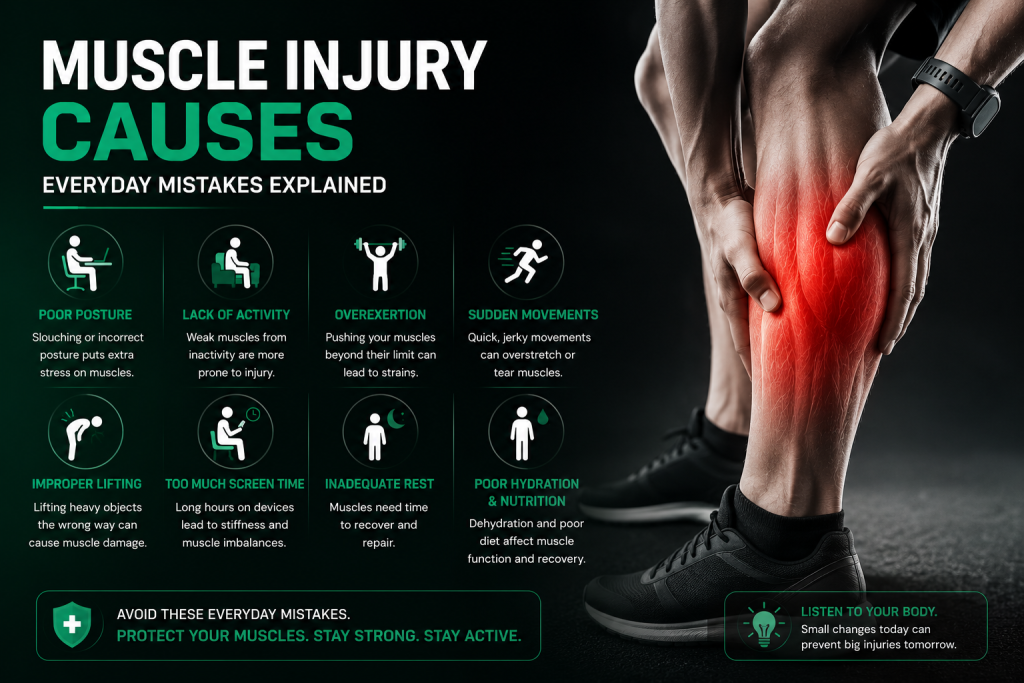
Muscle Injury Causes – Muscle injuries are one of the most common orthopedic problems affecting people of all ages. Whether you are an athlete, office worker, gym enthusiast, or someone performing daily household activities, muscle injuries can happen unexpectedly. Many people assume muscle pain is temporary and ignore the early signs until the condition worsens. Understanding the common Muscle Injury Causes can help prevent serious complications, improve recovery, and protect long-term mobility. According to Dr. Arun Reddy Mallu, many muscle injuries occur because of simple everyday mistakes that people often overlook. What Is a Muscle Injury? A muscle injury occurs when muscle fibers become overstretched, strained, or torn. These injuries can range from mild discomfort to severe tears that significantly affect movement and daily activities. Muscle injuries commonly affect the: Back Shoulders Neck Hamstrings Calf muscles Quadriceps Arms In many cases, muscle injuries are preventable when proper care, posture, and physical techniques are followed. Poor Warm-Up Before Exercise One of the leading Muscle Injury Causes is skipping warm-up exercises before physical activity. Many people start intense workouts, running, or sports activities without preparing their muscles properly. Cold muscles are less flexible and more prone to strain or tearing. Warm-up exercises help improve blood circulation, increase flexibility, and prepare muscles for movement. Simple stretching and mobility exercises before workouts can significantly reduce injury risk. Incorrect Exercise Techniques Using improper form while exercising is another major reason behind muscle injuries. Incorrect lifting posture, poor gym techniques, or excessive training can place unnecessary stress on muscles and joints. Many sports injuries occur because individuals attempt advanced workouts without proper guidance or supervision. Dr. Arun Reddy Mallu specializes in sports injury management, arthroscopy, ligament reconstruction, and orthopedic care for patients dealing with muscle and joint injuries caused by physical activity. Overtraining Without Rest Exercising continuously without allowing the body to recover is one of the common Muscle Injury Causes seen in athletes and fitness enthusiasts. Muscles need adequate recovery time after intense activity. Without proper rest: Muscle fatigue increases Flexibility reduces Risk of tears and strains rises Recovery becomes slower Overtraining can eventually lead to chronic pain, inflammation, and long-term orthopedic complications. Poor Posture During Daily Activities Many muscle injuries are not caused by sports but by poor posture during daily routines. Sitting for long hours with improper posture, using laptops incorrectly, bending repeatedly, or lifting heavy objects the wrong way can place constant stress on muscles. Common posture-related problems include: Neck pain Shoulder stiffness Lower back muscle strain Muscle tightness Correct ergonomic posture and regular movement breaks are essential for preventing muscle stress and injuries. Sudden Increase in Physical Activity A sudden increase in workout intensity or physical activity is another important factor contributing to Muscle Injury Causes. People often return to exercise after long breaks and immediately start heavy workouts, running, or lifting weights. This sudden strain can overload muscles that are not conditioned properly. Gradually increasing workout intensity helps muscles adapt safely and reduces injury risk. Dehydration and Poor Nutrition Muscles require proper hydration and nutrition to function effectively. Dehydration can cause muscle cramps, weakness, and reduced flexibility, increasing the likelihood of injuries. Poor nutrition may also weaken muscles and slow recovery. A balanced diet rich in protein, vitamins, minerals, and hydration supports muscle strength and healing. Ignoring hydration during sports or workouts is a common mistake many people make. Ignoring Early Muscle Pain One of the biggest mistakes people make is ignoring mild pain or discomfort. Persistent soreness, tightness, or weakness may indicate an early muscle injury. Continuing physical activity despite pain can worsen the condition and increase the risk of severe tears or ligament injuries. Early orthopedic evaluation can help identify the underlying problem before it becomes more serious. Lifting Heavy Objects Incorrectly Improper lifting techniques are among the most overlooked Muscle Injury Causes. Lifting heavy weights using the back instead of the legs places excessive stress on muscles and joints. This can result in: Muscle strains Back injuries Shoulder injuries Joint pain Using proper lifting posture and avoiding sudden twisting movements can reduce injury risk significantly. Lack of Flexibility and Mobility Tight muscles are more vulnerable to injury. Lack of stretching, mobility exercises, or flexibility training can increase stress on muscles during movement. Regular stretching helps maintain muscle flexibility, improve circulation, and support healthy movement patterns. People with sedentary lifestyles are particularly at risk for muscle stiffness and reduced flexibility. Sports Injuries and Muscle Damage Sports activities often involve sudden movements, jumping, twisting, or rapid direction changes that can strain muscles and ligaments. Common sports-related muscle injuries include: Hamstring strains Calf muscle tears Shoulder muscle injuries ACL-related muscle stress Groin strains Advanced orthopedic care, physiotherapy, and rehabilitation are essential for proper recovery and preventing repeated injuries. Why Early Treatment Is Important Ignoring muscle injuries can lead to chronic pain, reduced mobility, muscle weakness, and long-term orthopedic complications. Early diagnosis and treatment can help: Reduce pain and inflammation Improve healing Prevent severe tears Restore movement and strength Avoid future injuries Depending on the condition, treatment may include physiotherapy, rehabilitation, sports medicine care, arthroscopy, or advanced orthopedic procedures. Modern orthopedic techniques help patients recover faster and safely return to their normal activities. When Should You See an Orthopedic Specialist? You should consult an orthopedic doctor if you experience: Persistent muscle pain Swelling or inflammation Difficulty moving a limb Muscle weakness Sudden sharp pain during activity Sports-related injuries Pain affecting daily activities Early medical care can prevent complications and speed up recovery. Dr. Arun Reddy Mallu Contact Information Call:- 9959135963 Whatsapp:- 9959135963 Facebook:- DrArunReddyMallu Instagram:- drarunreddymallu Youtube:- https://www.youtube.com/channel/UCt_XTYwyqpzloXtkTLblwxw LinkedIn:- drarunmallu Conclusion Understanding the common Muscle Injury Causes can help you avoid preventable orthopedic problems and maintain long-term muscle health. Simple lifestyle changes like proper warm-ups, good posture, hydration, stretching, and safe exercise techniques can make a major difference in preventing injuries. Dr. Arun Reddy Mallu is widely recognized for expertise in sports injury treatment, arthroscopy, robotic joint replacement, trauma care, and advanced orthopedic procedures. With patient-focused treatment and modern orthopedic techniques, he has helped many patients
Early Warning Signs of Joint Damage You Should Never Ignore
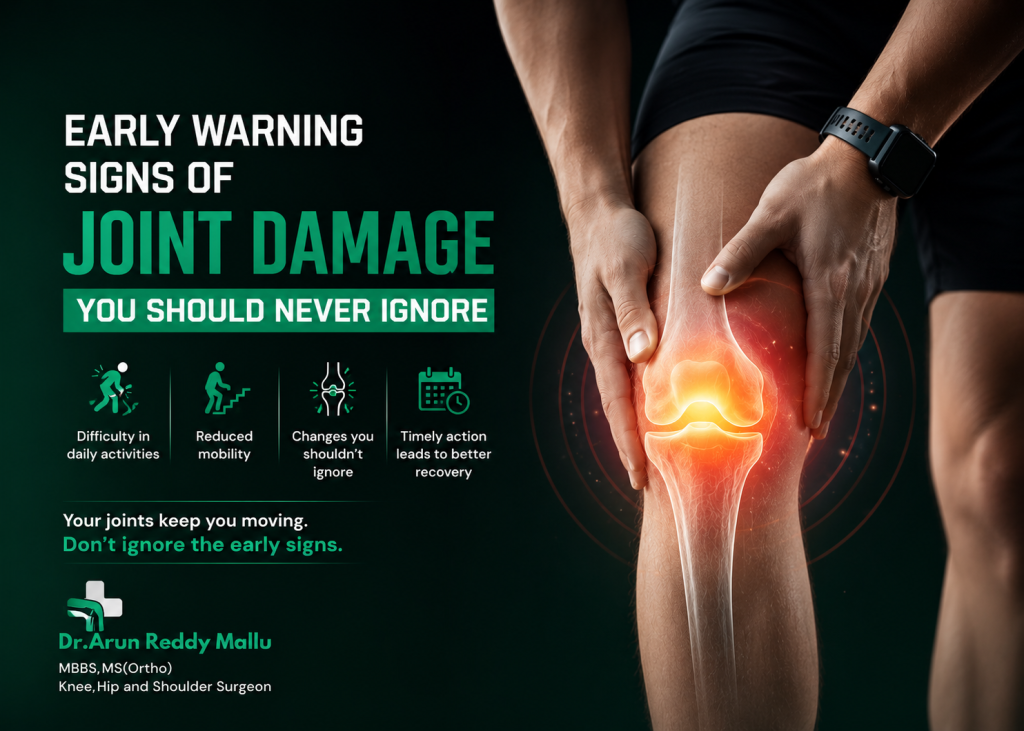
Signs of Joint Damage – Joint pain and stiffness are often ignored as a normal part of aging or daily stress. However, persistent discomfort in your knees, hips, shoulders, or other joints may indicate a more serious orthopedic problem. Recognizing the early Warning Signs of Joint Damage can help prevent severe complications and improve long-term mobility. Joint damage can develop gradually due to arthritis, sports injuries, trauma, ligament injuries, cartilage wear, or degenerative orthopedic conditions. Seeking treatment at the right time can reduce pain, protect joint function, and help patients maintain an active lifestyle. According to Dr. Arun Reddy Mallu, early diagnosis and proper orthopedic care are extremely important in preventing advanced joint damage and preserving joint health. What Causes Joint Damage? Joint damage occurs when the cartilage, ligaments, tendons, or bones within a joint begin to deteriorate or become injured. This can happen because of: Osteoarthritis Sports injuries Ligament tears Cartilage injuries Fractures or trauma Repetitive stress on joints Obesity and excess body weight Age-related wear and tear Untreated orthopedic conditions When these issues are ignored, they may eventually lead to chronic pain, stiffness, reduced mobility, and even the need for joint replacement surgery. Persistent Joint Pain One of the most common Warning Signs of Joint Damage is persistent joint pain. Occasional discomfort after physical activity may be normal, but ongoing pain lasting for weeks or months should never be ignored. Pain in the knees, hips, shoulders, or ankles during walking, climbing stairs, exercise, or even rest can indicate cartilage damage, arthritis, or ligament injury. Patients often delay treatment until the pain becomes severe, but early orthopedic evaluation can help prevent further joint deterioration. Joint Stiffness in the Morning Morning stiffness is another major sign of developing joint problems. If your joints feel tight or difficult to move after waking up or after sitting for long periods, it may indicate inflammation or early arthritis. Stiffness that improves slowly throughout the day can suggest progressive joint degeneration. Early treatment and physiotherapy can help improve flexibility and mobility. Swelling Around the Joint Swelling is one of the most noticeable Warning Signs of Joint Damage. Inflammation around the joint may occur due to injury, cartilage wear, ligament tears, or arthritis. Common symptoms include: Puffiness around the joint Warmth or redness Tenderness while touching the area Difficulty moving the joint Persistent swelling should always be evaluated by an orthopedic specialist because untreated inflammation can worsen joint damage over time. Clicking or Grinding Sounds Hearing clicking, grinding, or popping sounds while moving your joints may indicate cartilage wear or instability within the joint. Although occasional joint sounds may not always be serious, frequent grinding associated with pain or swelling could signal early orthopedic damage. Conditions such as meniscus injuries, cartilage degeneration, or ligament instability can produce these symptoms. Reduced Range of Motion Difficulty bending or straightening a joint is another important warning sign. Reduced flexibility in the knee, hip, or shoulder may suggest joint inflammation, cartilage damage, or ligament injuries. Patients may notice problems with: Squatting Climbing stairs Lifting objects Walking long distances Raising the arms Ignoring these symptoms may eventually affect daily activities and overall quality of life. Joint Instability or Weakness If a joint feels unstable, weak, or gives way while walking, it could indicate ligament injuries or structural joint damage. This is commonly seen in sports injuries involving the ACL, PCL, meniscus, or shoulder instability. Early diagnosis is important to prevent further damage and restore proper joint function. Dr. Arun Reddy Mallu specializes in sports injury management, arthroscopy, ligament reconstruction, and complex orthopedic procedures for patients suffering from joint instability and mobility issues. Pain During Physical Activity Pain that increases during exercise or physical activity should never be ignored. Many people assume discomfort during movement is temporary, but repeated pain may indicate early cartilage wear or stress on the joints. Athletes and physically active individuals are especially at risk for sports-related orthopedic injuries. Early treatment can help avoid long-term joint complications. Difficulty Performing Daily Activities One of the serious Warning Signs of Joint Damage is difficulty performing routine activities such as walking, standing, sitting, or carrying objects. Patients may start avoiding activities they once enjoyed because of pain or stiffness. Over time, reduced activity can affect muscle strength and overall mobility. Consulting an orthopedic specialist early can help patients receive the right treatment before the condition worsens. Why Early Orthopedic Treatment Matters Early diagnosis and treatment play a crucial role in preventing advanced joint damage. Modern orthopedic care focuses on preserving the natural joint whenever possible. Depending on the condition, treatment options may include: Physiotherapy Lifestyle modifications Sports injury management Arthroscopic surgery Ligament reconstruction Joint preservation procedures Robotic-assisted joint replacement for severe cases Advanced orthopedic techniques help patients recover faster and improve mobility with better precision and long-term outcomes. When Should You See an Orthopedic Specialist? You should consult an orthopedic surgeon if you experience: Persistent joint pain Swelling or inflammation Joint stiffness Difficulty walking Clicking or grinding sounds Reduced flexibility Joint instability Sports-related injuries Pain affecting daily activities Ignoring these symptoms may lead to permanent joint damage and more complicated treatment later. Dr. Arun Reddy Mallu Contact Information Call:- 9959135963 Whatsapp:- 9959135963 Facebook:- DrArunReddyMallu Instagram:- drarunreddymallu Youtube:- https://www.youtube.com/channel/UCt_XTYwyqpzloXtkTLblwxw LinkedIn:- drarunmallu Conclusion Recognizing the early Warning Signs of Joint Damage can help protect your joints, reduce pain, and improve long-term mobility. Early orthopedic care can prevent complications and help patients maintain an active and healthy lifestyle. Dr. Arun Reddy Mallu is widely recognized for his expertise in joint replacement surgery, arthroscopy, sports injury treatment, robotic orthopedic procedures, and complex trauma care. With advanced surgical expertise and patient-focused treatment, he has helped many patients recover mobility and improve their quality of life. Known for advanced orthopedic care and precision-based treatment approaches, Dr. Arun Reddy Mallu is considered one of the best orthopedic surgeons in Hyderabad for knee injuries, hip problems, sports injuries, arthroscopy, and joint replacement surgeries. If you are experiencing any early signs of joint damage, consulting an experienced orthopedic specialist like Dr. Arun Reddy Mallu
When Do You Need a Revision Joint Replacement Surgeon?
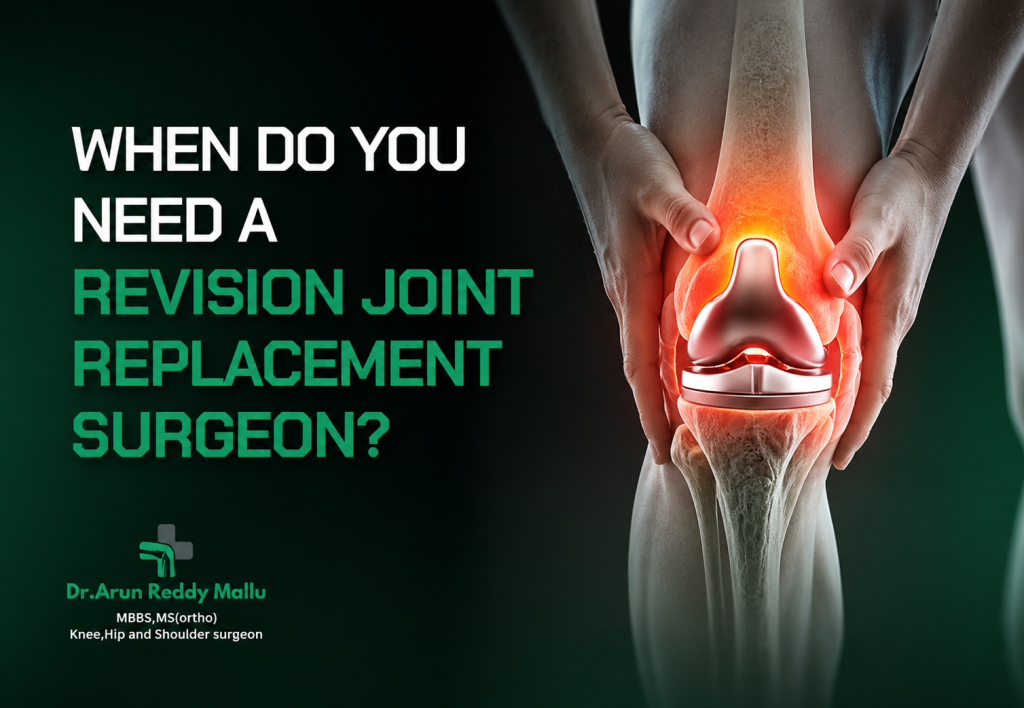
Joint Replacement Surgeon – Joint replacement surgery has transformed the lives of millions of people suffering from severe knee, hip, and shoulder pain. Most joint replacement procedures provide long-lasting relief and improved mobility. However, in some cases, patients may continue to experience pain, instability, stiffness, or implant-related complications after surgery. This is when the expertise of a Revision Joint Replacement Surgeon becomes extremely important. A Revision Joint Replacement Surgeon specializes in correcting or replacing a failed joint replacement. These surgeries are more complex than primary joint replacements and require advanced surgical planning, precision, and experience. What Is Revision Joint Replacement Surgery? Revision joint replacement surgery is a procedure performed to repair, replace, or correct an existing artificial joint that is not functioning properly anymore. Unlike a primary knee or hip replacement, revision surgery involves removing the old implant and placing a new prosthesis designed to restore stability, function, and pain relief. A skilled Revision Joint Replacement Surgeon carefully evaluates the condition of the joint, surrounding bone, ligaments, and muscles before planning the surgery. These procedures are technically demanding and require specialized expertise in complex orthopedic reconstruction. Signs You May Need a Revision Joint Replacement Surgeon Many patients assume that pain after joint replacement is normal. While temporary discomfort during recovery is expected, persistent or worsening symptoms should never be ignored. Here are some common signs that indicate you may need consultation with a Revision Joint Replacement Surgeon. Persistent Joint Pain One of the most common warning signs is ongoing pain after knee, hip, or shoulder replacement surgery. If pain continues months or years after the procedure, it may indicate implant loosening, infection, wear, or alignment problems. Pain during walking, climbing stairs, or even while resting can affect quality of life and should be evaluated by an orthopedic specialist. Difficulty Walking or Reduced Mobility If you notice increasing stiffness or difficulty performing daily activities, your artificial joint may not be functioning properly. Limited movement, instability, or reduced range of motion can suggest implant failure or mechanical issues. A Revision Joint Replacement Surgeon can assess whether revision surgery is necessary to restore proper movement and joint function. Implant Loosening Over time, artificial joints can become loose from the surrounding bone. Implant loosening may happen because of wear and tear, aging, bone loss, or excessive stress on the joint. Patients often experience pain, swelling, or a feeling that the joint is unstable. Early diagnosis is important to prevent further bone damage. Joint Infection Infection is one of the most serious complications after joint replacement surgery. Symptoms may include redness, swelling, warmth, fever, drainage, or severe pain around the operated joint. A highly experienced Revision Joint Replacement Surgeon plays a critical role in treating infected joint replacements through advanced surgical techniques and infection management protocols. Recurrent Joint Instability If the replaced joint repeatedly slips, dislocates, or feels unstable, revision surgery may be required. This is more commonly seen in hip and shoulder replacements. Instability can affect confidence while walking and increase the risk of falls or injuries. Wear and Tear of the Implant Artificial joints are designed to last for many years, but eventually some components may wear out. Patients who had joint replacement at a younger age may require revision surgery later in life due to implant wear. Advanced imaging and orthopedic evaluation help determine whether the implant needs replacement. Why Choosing the Right Revision Joint Replacement Surgeon Matters Revision joint replacement procedures are significantly more complicated than primary surgeries. They require advanced surgical skills, precise planning, and expertise in handling complex orthopedic conditions. Choosing an experienced Revision Joint Replacement Surgeon can improve surgical outcomes, reduce complications, and help patients recover mobility safely. Dr. Arun Reddy Mallu is recognized for expertise in complex orthopedic procedures including revision knee and hip replacements, robotic joint replacements, arthroscopy, and sports injury management. His approach focuses on precision, advanced techniques, and patient-centered orthopedic care. Conditions Commonly Treated by a Revision Joint Replacement Surgeon A Revision Joint Replacement Surgeon may treat several complex orthopedic conditions, including: Failed knee replacement surgery Failed hip replacement surgery Shoulder replacement complications Implant loosening Periprosthetic fractures Joint infections Severe stiffness after replacement surgery Recurrent dislocation or instability Bone loss around implants These cases often require advanced reconstruction techniques and specialized implants. Advanced Techniques Used in Revision Joint Replacement Surgery Modern orthopedic advancements have improved the success rates of revision surgeries. Experienced surgeons use advanced technologies to improve precision and recovery outcomes. Some modern approaches include: Robotic-assisted joint replacement Computer-navigated surgery Minimally invasive surgical techniques Advanced imaging for surgical planning Customized implants for complex reconstruction These technologies help improve implant positioning, reduce complications, and support faster rehabilitation. Recovery After Revision Joint Replacement Surgery Recovery after revision surgery depends on the complexity of the procedure and the patient’s overall health. Rehabilitation is an essential part of regaining strength, flexibility, and mobility. Most patients are advised to follow a structured physiotherapy program along with regular orthopedic follow-up appointments. Early movement and guided rehabilitation help improve recovery outcomes and restore confidence in daily activities. When Should You Consult a Revision Joint Replacement Surgeon? You should consult a Revision Joint Replacement Surgeon if you experience: Persistent pain after joint replacement Swelling or redness around the joint Difficulty walking Joint instability or repeated dislocation Reduced mobility Implant-related complications Signs of infection Sudden worsening of symptoms years after surgery Ignoring these symptoms may lead to further joint damage and more complicated treatment later. Dr. Arun Reddy Mallu Contact Information Call:- 9959135963 Whatsapp:- 9959135963 Facebook:- DrArunReddyMallu Instagram:- drarunreddymallu Youtube:- https://www.youtube.com/channel/UCt_XTYwyqpzloXtkTLblwxw LinkedIn:- drarunmallu Conclusion Joint replacement surgery is designed to improve mobility and quality of life, but complications can sometimes occur. When a previous joint replacement no longer functions properly, consulting an experienced Revision Joint Replacement Surgeon becomes essential. With advanced orthopedic techniques, robotic-assisted surgery, and specialized revision procedures, patients can regain movement, reduce pain, and return to daily life with confidence. Dr. Arun Reddy Mallu is widely recognized for his expertise in joint replacement, revision joint replacement, sports injuries, arthroscopy,
Best Treatment for Sports Injuries in Hyderabad: What You Need to Know
Sports injuries are becoming increasingly common due to active lifestyles, gym routines, and competitive sports. Whether you are a professional athlete or someone who plays occasionally, injuries like ligament tears, muscle strains, or joint pain can affect your daily life and performance. Fortunately, Hyderabad is known for its advanced healthcare facilities and expert orthopedic care, making it a top destination for sports injury treatment. In this blog, we will explore the causes, types, treatments, and recovery options for sports injuries—and why consulting an experienced orthopedic specialist Dr. Arun Reddy Mallu at Continental Hospitals is highly recommended. Understanding Sports Injuries Sports injuries occur during physical activities, exercise, or sports participation. These injuries can be: Acute injuries– Sudden injuries like fractures, sprains, or dislocations Chronic injuries– Develop over time due to repetitive stress, like tendonitis Common Causes Improper warm-up Overtraining Poor technique Lack of proper equipment Sudden impact or accidents Common Types of Sports Injuries Ligament tears (ACL, MCL) Muscle strains and sprains Tendon injuries Fractures and dislocations Shoulder injuries(rotator cuff) Knee injuries(runner’s knee) Importance of Early Diagnosis Ignoring a sports injury can lead to serious long-term problems such as chronic pain, reduced mobility, and joint instability. Early diagnosis helps in: Faster recovery Preventing complications Avoiding surgery in many cases Advanced diagnostic tools like MRI and digital imaging used in top hospitals in Hyderabad ensure accurate and timely diagnosis. Best Treatment Options for Sports Injuries The treatment depends on the type and severity of the injury. Hyderabad offers both non-surgical and surgical solutions. Physiotherapy and Rehabilitation Physiotherapy is the foundation of sports injury treatment. Key Benefits: Improves flexibility and mobility Strengthens muscles Reduces pain Prevents future injuries Rehabilitation programs are tailored to each individual and may include: Stretching exercises Strength training Manual therapy Balance training Medication and Pain Management For mild to moderate injuries, doctors may prescribe: Anti-inflammatory medicines Pain relievers Muscle relaxants In some cases, targeted injections are used to reduce inflammation and speed up recovery. Minimally Invasive Treatments Modern orthopedic care focuses on minimally invasive techniques such as: Arthroscopy (keyhole surgery) Ligament reconstruction Cartilage repair Advantages: Smaller incisions Less pain Faster healing Shorter hospital stay Regenerative Therapies Advanced treatments like: PRP (Platelet-Rich Plasma) therapy Stem cell therapy These therapies promote natural healing and are especially useful for tendon and ligament injuries. Surgical Treatment Surgery is recommended for severe injuries such as: Complete ligament tears Complex fractures Severe joint damage With modern surgical techniques available in Hyderabad, patients experience quicker recovery and better outcomes. Role of an Orthopedic Specialist Treating sports injuries requires expert care from a qualified orthopedic specialist. An experienced doctor ensures: Accurate diagnosis Customized treatment plans Safe and effective procedures Proper rehabilitation guidance Why Choose Dr. Arun Reddy Mallu for Sports Injury Treatment in Hyderabad? When it comes to sports injury treatment in Hyderabad, Dr. Arun Reddy Mallu is a trusted name in orthopedic care. Expertise Skilled in treating sports injuries and joint conditions Experience in both non-surgical and surgical treatments Patient-Centric Approach Personalized treatment plans Focus on long-term recovery Emphasis on minimally invasive techniques Advanced Care at Continental Hospitals At Continental Hospitals, patients benefit from: Modern infrastructure Advanced diagnostic facilities Comprehensive rehabilitation programs This combination ensures faster healing and safe return to normal activities. Recovery and Rehabilitation Recovery time depends on the severity of the injury. Estimated Recovery Time Mild injuries: 2–6 weeks Moderate injuries: 6–12 weeks Severe injuries: 3–6 months or more Rehabilitation Goals Restore mobility Improve strength Enhance flexibility Prevent re-injury Following a structured rehabilitation program is essential for complete recovery. Tips to Prevent Sports Injuries Preventing injuries is just as important as treating them. Warm up before exercise Use proper sports techniques Avoid overtraining Stay hydrated Maintain a healthy diet Use appropriate equipment Take adequate rest When Should You Consult a Doctor? Seek medical help if you experience: Persistent pain Swelling Limited movement Joint instability Difficulty walking or bearing weight Consulting an expert Dr. Arun Reddy Mallu ensures timely treatment and better outcomes. Conclusion Sports injuries can disrupt your active lifestyle, but with the right treatment and expert guidance, full recovery is achievable. Hyderabad offers advanced medical facilities and experienced specialists who provide world-class care for all types of sports injuries. Choosing the right doctor plays a crucial role in recovery. With his expertise, patient-focused approach, and access to advanced treatment facilities at Continental Hospitals, Dr. Arun Reddy Mallu ensures comprehensive care from diagnosis to rehabilitation. If you’re facing a sports injury, don’t ignore the symptoms. Early treatment and proper care can help you return to your active lifestyle stronger, healthier, and more confident. For expert sports injury treatment in Hyderabad, consult Dr. Arun Reddy Mallu at Continental Hospitals — call +91 99591 35963 to book your appointment today.
Frozen Shoulder (Adhesive Capsulitis): Early Signs, Stages & Recovery Tips
Frozen Shoulder (Adhesive Capsulitis): Early Signs, Stages & Recovery Tips Frozen shoulder, medically known as adhesive capsulitis, is a painful and often debilitating condition of the shoulder joint. It can gradually restrict your ability to move your arm comfortably — affecting daily activities like dressing, reaching overhead, or even sleeping. While many people shrug off shoulder stiffness as “just getting older” or a consequence of minor injury, frozen shoulder is a specific clinical entity that benefits from early recognition and targeted management. In this blog, we’ll walk you through: What frozen shoulder really is Early warning signs The four classic stages of the condition Practical recovery tips When to seek expert care, including insights from Arun Reddy Malluat Continental Hospitals What Is Frozen Shoulder? Frozen shoulder refers to inflammation and thickening of the capsule of the shoulder joint. The capsule is a connective tissue envelope that surrounds the shoulder, providing support and stability. In adhesive capsulitis, this capsule becomes inflamed, tight, and less elastic — effectively “freezing” the shoulder’s range of motion. Although the exact cause isn’t always clear, it’s most commonly associated with: Long periods of shoulder immobility (after injury or surgery) Diabetes (highly correlated) Thyroid disorders Prior shoulder trauma Unlike acute injuries or arthritis, frozen shoulder evolves gradually and can take months to resolve. Early Signs & Symptoms To Watch For Recognizing frozen shoulder early improves the chances of effective treatment and faster recovery. Here are the initial warning signs: Gradual Onset of Pain The first symptom is usually a dull or aching pain deep within the shoulder. It may be worse at night or with specific movements. Often, people mistake this for muscle strain or fatigue. Progressive Stiffness Within weeks, your shoulder may feel less flexible. You might notice difficulty with movements like: Reaching above your head Reaching behind your back Rotating your arm outward This stiffness is typically painless at first but progresses. Pain With Activity Simple tasks such as combing hair, putting on a jacket, or reaching into a cupboard can start to hurt. This is often the first time many patients realize something more than “simple muscle tightness” is happening. Sleep Disturbances Persistent shoulder pain can interrupt sleep — especially when lying on the affected side. Difficulty achieving comfortable sleep positions is a common early complaint. Reduced Range of Motion Your shoulder simply won’t move as freely as before. Clinically, both active movement (you move) and passive movement (someone else moves your arm) become restricted. If you notice stiffness that doesn’t improve over several weeks — especially accompanied by worsening pain — it’s worth consulting a specialist. Four Stages of Frozen Shoulder Frozen shoulder doesn’t happen overnight. It evolves through four well-described stages. Each stage has distinctive features and implications for management. Stage 1 — The “Freezing” Stage Duration: 6–9 months Symptoms: Gradual increase in pain Stiffness starts, particularly with rotation Sleep disturbances During this stage, shoulder movement becomes increasingly restricted as inflammation of the joint capsule progresses. Pain is the dominant symptom. Many people seek help at this point, but it’s often mistaken for tendonitis or bursitis. Stage 2 — The “Frozen” Stage Duration: 4–12 months Symptoms: Significant stiffness Pain may decrease slightly Range of motion is severely limited In this stage, the shoulder becomes very tight. Although pain might lessen, stiffness has worsened — and daily activities become harder. Tasks such as fastening a bra, reaching overhead, or tucking in a shirt become difficult. Stage 3 — The “Thawing” Stage Duration: 6–12 months Symptoms: Gradual improvement in motion Less pain Function slowly returns The body begins to “remodel” the stiffened joint capsule. Daily activities become easier, although full motion may not be restored until later. Stage 4 — Recovery & Remodeling Duration: Variable (weeks to months after thawing) Symptoms: Increasing flexibility Minimal pain Functional improvement This stage represents recovery — improvements continue, although the timeline varies widely among individuals. Managing Frozen Shoulder: Practical Tips Effective management depends on early recognition and appropriate exercises, often combined with medical guidance. Here’s a comprehensive plan to support recovery. Gentle, Consistent Stretching The cornerstone of recovery is controlled, gentle stretching to maintain and gradually increase range of motion: Pendulum stretch:Let your arm hang and gently swing in small circles. Towel stretch:Grasp a towel behind your back with both hands and gently pull. Cross-body reach:Use your good arm to lift the affected arm across your body. Key: Never force movement to the point of sharp pain. Heat & Cold Therapy Heatbefore stretching can ease stiffness and relax muscles. Coldafter activity can reduce inflammation and discomfort. Use moist heat or warm showers before exercises for best effect. Pain Management Over-the-counter NSAIDs (e.g., ibuprofen) can help with inflammation and pain. Always consult a healthcare provider before starting medications, especially if you have gastric or kidney issues. Professional Physical Therapy A trained physiotherapist can tailor exercises and manual therapy to your condition — crucial for optimal recovery. Techniques may include: Passive stretching Mobilization exercises Strengthening routines once motion improves Consistency is key — daily therapy can significantly improve outcomes. Injections & Interventions For cases where pain severely limits function, a doctor may recommend: Corticosteroid injectionsto reduce inflammation Nerve blocksfor pain relief Hydrodilatation(capsular distension with saline/contrast) These should be guided by an experienced specialist. Avoid Prolonged Immobilization Keeping your shoulder immobile (like in a sling) for long periods can worsen stiffness. Balance rest with gentle motion. When To See a Specialist If stiffness and pain persist for more than 6–8 weeks, or if everyday activities are compromised, getting expert evaluation is important. At Continental Hospitals, orthopedic specialists — including Dr. Arun Reddy Mallu, who has extensive experience in shoulder conditions and minimally invasive therapies — can provide: Accurate diagnosis (clinical + imaging) Personalized treatment plans Guidance through physical therapy Advanced interventional options if needed Dr. Arun Reddy Mallu emphasizes early recognition and tailored therapy to prevent long-term disability and optimize recovery. Myths & Misconceptions Let’s debunk a few common myths about frozen shoulder: It only happens to older people. While more
Types of Implants Used in Total Knee Replacement

Introduction Total knee replacement (TKR) is a highly successful surgical procedure aimed at relieving pain and restoring function in patients with severe knee arthritis or injury. Dr. Arun Reddy Mallu, a renowned consultant orthopedic surgeon at Continental Hospitals in Hyderabad, India, is one of the best knee replacement surgeons in the city. This article delves into the various types of implant materials used in total knee replacement and their respective benefits and drawbacks. Types of Implant Materials Cobalt Chromium Cobalt chromium has been a popular choice for knee implants due to its strength and durability. It is resistant to wear and corrosion, making it a long-lasting option for patients. However, some individuals may develop allergies to metal implants, which is a critical consideration when selecting the appropriate material. Titanium Titanium is another widely used material for knee implants. It is known for its biocompatibility, meaning it integrates well with the body without causing adverse reactions. Titanium implants are lightweight and strong, providing excellent support and mobility for patients. Gold Gold implants are increasingly being used, particularly for patients with metal allergies. Gold is highly biocompatible and reduces the risk of allergic reactions. Moreover, it offers excellent wear resistance. However, gold implants are more expensive than other options, which can be a limiting factor for some patients. Oxinium Oxinium, or oxidized zirconium, is a material that combines the strength of metal with the wear resistance of ceramic. It is less likely to cause metal allergies and offers excellent durability. Oxinium implants are particularly beneficial for younger, more active patients due to their longevity and performance. Ceramic Ceramic implants are used in cases where patients have severe metal allergies. They offer excellent biocompatibility and wear resistance. However, ceramic implants can be brittle and may break under high-impact activities. Therefore, they are recommended for patients who lead a less physically demanding lifestyle. Considerations for Choosing the Right Implant When choosing the appropriate implant for a total knee replacement, several factors must be considered: Allergy Concerns: Patients with known metal allergies may benefit from ceramic or gold implants to minimize the risk of adverse reactions.Lifestyle and Activity Level: Active patients may require more durable materials like oxinium or cobalt chromium, while those with a less demanding lifestyle might do well with ceramic implants.Cost: The cost of implants can vary significantly. Gold and ceramic implants are typically more expensive than cobalt chromium and titanium options. ConclusionWhile there is no definitive evidence suggesting that one implant material is superior to others, the choice largely depends on individual patient needs and circumstances. Dr. Arun Reddy Mallu at Continental Hospitals, Hyderabad, is adept at evaluating these factors to recommend the most suitable implant for each patient. With his expertise and commitment to patient care, Dr. Mallu ensures optimal outcomes for those undergoing total knee replacement surgery. For consultations or to learn more about knee replacement options, visit Dr. Arun Reddy Mallu’s profile at Continental Hospitals.