
Why More Surgeons Are Choosing Robotic Knee Replacement Surgery
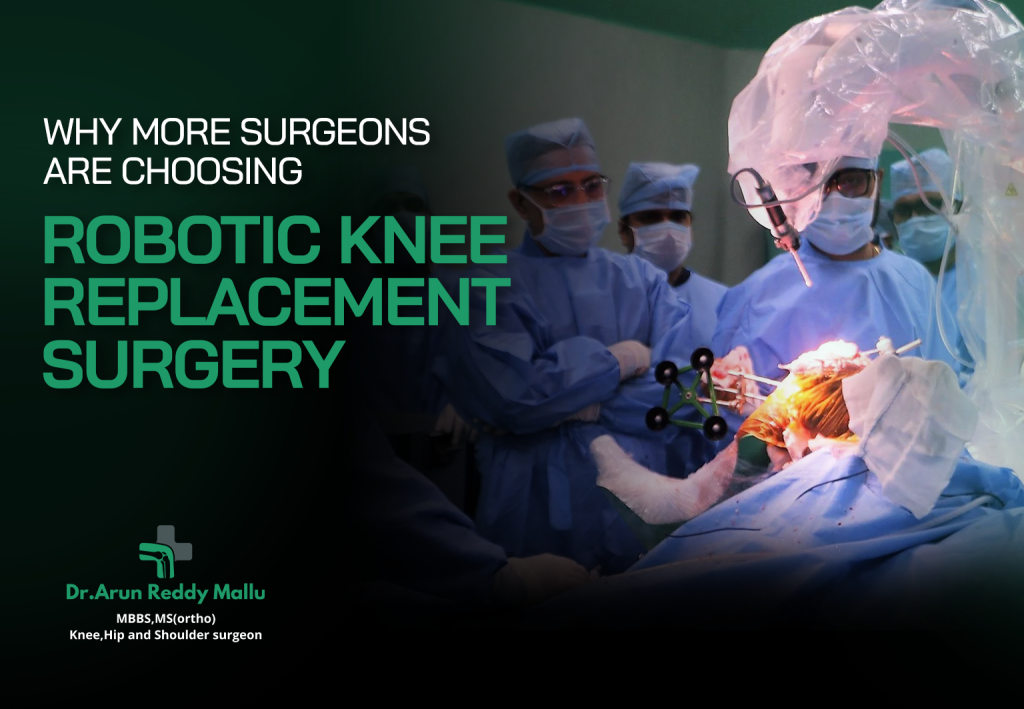
Orthopaedic surgery has witnessed remarkable advancements over the past decade, and one of the most significant breakthroughs is robotic-assisted knee replacement. Surgeons worldwide are increasingly adopting this modern technique because it enhances precision, improves patient outcomes, and offers a higher level of control during surgery. In India, especially in Hyderabad, experienced specialists Orthopedic surgeon Dr. Arun Reddy Mallu at Continental Hospital are utilizing robotic technology to deliver advanced and reliable joint replacement treatments. What Is Robotic Knee Replacement Surgery? Robotic knee replacement surgery is an advanced procedure where a robotic system assists the surgeon in performing the operation with exceptional accuracy. It is important to understand that the robot does not replace the surgeon—it acts as a supportive tool that enhances the surgeon’s capabilities. Using detailed 3D imaging, the surgeon can create a personalized surgical plan based on the patient’s unique anatomy. During the procedure, the robotic system provides real-time feedback, ensuring precise bone cuts and accurate implant placement. Superior Precision and Accuracy One of the primary reasons surgeons prefer robotic-assisted surgery is the unmatched level of precision. Even a small error in alignment during traditional knee replacement can lead to long-term complications. With robotic systems, surgeons can: Map the knee joint in detail Plan every step before surgery Execute bone cuts with high accuracy This results in better implant positioning and improved joint function. Personalized Treatment Approach Every patient’s knee structure is different. Robotic technology allows surgeons to customize the procedure according to the individual’s anatomy rather than following a standard approach. This personalization helps: Achieve more natural knee movement Improve comfort after surgery Increase overall patient satisfaction Because of this tailored approach, outcomes are more predictable and effective. Enhanced Control and Safety Robotic systems provide surgeons with better control throughout the procedure. They create predefined safety boundaries, ensuring that only the targeted area is operated on. This reduces: Damage to surrounding tissues Risk of surgical errors Chances of complications The surgeon remains in full control, but with advanced guidance that enhances safety and precision. Minimally Invasive Technique Another major advantage is that robotic-assisted surgery is less invasive compared to traditional methods. Benefits include: Smaller incisions Less tissue damage Reduced blood loss For surgeons, this means a cleaner and more controlled procedure. For patients, it translates into less pain and faster healing. Faster Recovery and Rehabilitation One of the biggest goals of any surgeon is to help patients recover quickly. Robotic-assisted knee replacement supports faster rehabilitation due to its precision and minimally invasive nature. Patients often experience: Reduced post-operative pain Shorter hospital stays Faster return to daily activities In many cases, patients are able to start walking within a day or two after surgery. Improved Long-Term Results Long-term success is a key factor in knee replacement procedures. Poor alignment can lead to implant wear, discomfort, or even the need for revision surgery. Robotic technology ensures: Accurate implant positioning Better joint alignment Longer implant lifespan This leads to durable results and higher patient satisfaction over time. Consistency in Surgical Outcomes Traditional surgeries may vary depending on the surgeon’s experience and intraoperative challenges. Robotic systems help standardize procedures, leading to consistent and reliable results. Surgeons benefit from: Reduced variability Greater confidence Improved surgical success rates This consistency is one of the main reasons why more surgeons are adopting robotic technology. Reduced Risk of Complications With better planning and precise execution, robotic-assisted surgery minimizes potential risks. These include: Implant misalignment Tissue damage Joint instability Post-surgical complications This makes the procedure safer and more efficient for both surgeons and patients. Adoption of Advanced Technology Robotic systems represent the future of orthopaedic surgery. They combine: High-resolution imaging Real-time navigation Data-driven precision Surgeons who adopt this technology are better equipped to handle complex cases and deliver optimal results. Increasing Patient Awareness and Demand Today’s patients are more informed and actively seek advanced treatment options. Many prefer robotic-assisted procedures because of the benefits they offer. This growing demand encourages surgeons to adopt robotic techniques and stay updated with the latest advancements in medical technology. Expertise Still Matters While robotic systems enhance surgical precision, the skill and experience of the surgeon remain crucial. A well-trained orthopedic specialist can fully utilize the capabilities of robotic technology to achieve the best outcomes. Experts Dr. Arun Reddy at Continental Hospital are known for combining advanced techniques with clinical expertise to ensure safe and successful surgeries. Robotic Knee Replacement Surgery in Hyderabad The availability of advanced healthcare infrastructure has made Robotic Knee Replacement Surgery in Hyderabad increasingly accessible. Leading hospitals and skilled surgeons are offering world-class treatment, making the city a preferred destination for joint replacement procedures. Patients can benefit from cutting-edge technology along with expert medical care. Conclusion Robotic-assisted knee replacement surgery is transforming the field of orthopaedics. Its ability to provide superior precision, personalized treatment, and faster recovery has made it a preferred choice among surgeons worldwide. From improved accuracy to better long-term outcomes, the advantages are significant. However, the success of the procedure depends not only on technology but also on the expertise of the surgeon. Specialists Dr. Arun Reddy Mallu at Continental Hospital are leading this transformation by integrating advanced robotic systems with expert care. As medical technology continues to evolve, robotic knee replacement is set to become the standard approach for treating severe knee conditions—offering patients a safer, more effective, and long-lasting solution. Book your appointment for robotic knee replacement surgery at Continental Hospitals with Dr. Arun Reddy Mallu—call +91 99591 35963 today
Best Robotic Knee Replacement Surgeon in Hyderabad
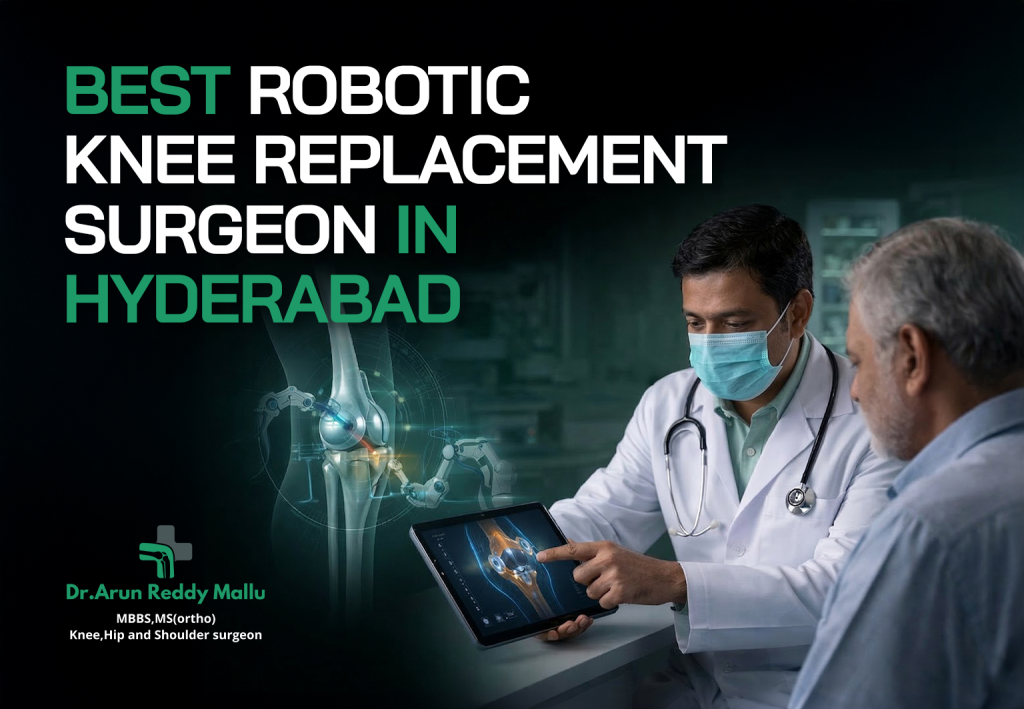
Knee pain can significantly affect your daily life, making simple activities like walking, standing, or climbing stairs difficult. With the advancement of medical technology, robotic knee replacement surgery has become a highly effective and precise solution for severe knee conditions. If you are searching for the best robotic knee replacement surgeon in Hyderabad, Dr. Arun Reddy Mallu at Continental Hospitals is known for delivering excellent results with advanced techniques and patient-focused care. What is Robotic Knee Replacement Surgery? Robotic knee replacement is an advanced surgical procedure where a robotic system assists the surgeon in performing knee replacement with exceptional accuracy. It enhances the surgeon’s ability to plan and execute the surgery based on the patient’s unique anatomy. This technology helps in: Accurate implant positioning Better alignment of the knee joint Reduced damage to surrounding tissues Improved long-term results Unlike traditional methods, robotic-assisted surgery ensures consistency and precision, leading to better outcomes. Why Knee Replacement is Needed Knee replacement surgery is usually recommended when: Severe osteoarthritis damages the joint Chronic knee pain does not respond to medication Stiffness limits daily movement Knee deformities develop In such cases, robotic knee replacement provides long-lasting relief and restores mobility. Benefits of Robotic Knee Replacement Higher Accuracy The robotic system provides real-time feedback, allowing surgeons to perform precise bone cuts and implant placement. Minimally Invasive Technique Smaller incisions lead to less pain and quicker healing. Faster Recovery Patients can walk sooner and return to daily activities faster. Improved Implant Longevity Better alignment reduces wear and tear, increasing implant lifespan. Personalized Surgery Each procedure is customized based on the patient’s knee structure. About Dr. Arun Reddy Mallu Dr. Arun Reddy Mallu is an experienced orthopedic surgeon with MBBS, MS (Orthopedics). He performs 100+ surgeries every year and has completed around 1000+ knee replacement surgeries till now. He is known for his expertise in robotic knee replacement and patient care. Expertise Includes: Robotic knee replacement surgery Hip and shoulder joint replacements Arthroscopy and sports injury treatment Revision knee replacement surgeries He is known for his precision, dedication, and commitment to providing high-quality care to every patient. Why Choose Dr. Arun Reddy Mallu? Specialized in Robotic Surgery Dr. Arun Reddy has advanced training in robotic-assisted joint replacement, ensuring accurate and safe procedures. Experience in Complex Cases He successfully handles primary as well as revision knee replacement surgeries. Patient-Centered Care He focuses on personalized treatment plans and clear communication with patients. High Success Rate His expertise in robotic techniques results in better recovery and long-term outcomes. Trusted Name in Orthopedics Many patients choose him for his reliable approach and consistent results. Robotic Knee Replacement Procedure Pre-Surgical Planning A detailed 3D model of the knee is created to plan the surgery accurately. Robotic-Assisted Surgery The surgeon uses robotic guidance to perform precise bone cuts and implant positioning. Implant Placement Artificial components are placed with high accuracy. Post-Surgery Recovery Patients begin walking early with guided physiotherapy. Recovery After Surgery Recovery from robotic knee replacement is faster compared to traditional surgery. Recovery Timeline: Day 1–2: Standing and walking with assistance Week 2–3: Reduced pain and improved movement 4–6 Weeks: Return to normal daily activities 3 Months: Full recovery for most patients Following physiotherapy and doctor’s advice is crucial for a smooth recovery. Who Needs Robotic Knee Replacement? You may be a candidate if you have: Severe arthritis Chronic knee pain Limited mobility Failed previous knee surgery Consultation with an experienced surgeon helps determine the best treatment plan. Risks and Safety Robotic knee replacement is generally safe, but like any surgery, it may involve minimal risks such as: Infection Blood clots Implant-related issues Choosing an experienced surgeon Dr. Arun Reddy reduces these risks significantly. Cost of Robotic Knee Replacement in Hyderabad The cost depends on: Type of implant used Hospital facilities Complexity of the condition Despite the cost, robotic surgery offers better accuracy and long-term benefits, making it a valuable investment in your health. Conclusion Robotic knee replacement is a breakthrough in orthopedic treatment, offering precision, faster recovery, and long-lasting results. Selecting the right surgeon is essential for a successful outcome. If you are looking for the best robotic knee replacement surgeon in Hyderabad, Dr. Arun Reddy Mallu at Continental Hospitals is a trusted choice. His expertise in robotic surgery, patient-focused approach, and commitment to excellence ensure that patients regain mobility and lead a pain-free life. Take the first step towards a healthier and more active lifestyle by consulting an experienced specialist today. Book your consultation with Dr. Arun Reddy Mallu, the Best Robotic Knee Replacement Surgeon in Hyderabad, at Continental Hospitals — call +91 99591 35963 today.
Robotic Knee Replacement Recovery: When Can You Start Playing Sports Again?
Robotic Knee Replacement Recovery: When Can You Start Playing Sports Again? Robotic knee replacement has transformed the way patients recover from knee pain, arthritis, and mobility issues. With its precision, minimally invasive approach, and faster recovery outcomes, more patients are choosing robotic-assisted surgery over traditional knee replacement. However, one of the most common concerns patients have is: “When can I start playing sports again after robotic knee replacement?” Returning to your favorite physical activities—whether it’s walking, jogging, badminton, cycling, yoga, or even more intense sports—depends on several factors. In this blog, we explore the recovery timeline, safe progression into sports, benefits of robotic technology, precautions, and expert insights from Dr. Arun Reddy Mallu, a leading knee replacement surgeon at Continental Hospitals, Hyderabad. Understanding Robotic Knee Replacement Robotic-assisted knee replacement is an advanced orthopedic procedure that uses computer-guided systems and robotic arms to enhance the accuracy of the surgery. The surgeon controls the robotic arm, ensuring perfect alignment, minimal tissue damage, and a personalized fit for the implant. Key advantages of robotic knee replacement include: Higher precisionin joint alignment Less soft tissue damageand muscle trauma Reduced blood loss Smaller incisions Faster recovery and reduced pain Long-lasting implant life These benefits play a major role in helping patients return to sports earlier than with conventional knee replacement. Typical Recovery Timeline After Robotic Knee Replacement Every patient recovers at their own pace, but robotic knee replacement often offers a smoother and more predictable recovery timeline. First 1–2 Weeks: Foundation Phase Pain and swelling start reducing. Patients typically begin walking with support on the same or next day after surgery. Simple movements, ankle pumps, and straight-leg raises are encouraged. Physical therapy focuses on improving flexibility and reducing stiffness. Weeks 3–6: Building Strength Most patients can walk without support by week 4. Strengthening exercises improve quadriceps, hamstrings, and calf muscles. Stationary cycling, gentle stretching, and low-impact activities begin. Swelling continues to reduce, and mobility improves significantly. Weeks 6–12: Returning to Daily Activities Patients regain around 70–80% of mobility. Light household activities and short outdoor walks are comfortable. Many people return to work depending on their profession. With doctor’s approval, low-impact sports can begin. 3–6 Months: Gradual Return to Sports Knee strength and stamina increase. Activities like swimming, cycling, yoga, golf, and brisk walking are usually allowed. Physio-guided training helps improve balance and agility. 6–12 Months: Full Return to Active Lifestyle Most patients safely resume sports like badminton, hiking, and doubles tennis. High-impact sports depend on individual healing, implant stability, and the surgeon’s guidance. When Can You Start Playing Sports Again? The ability to return to sports depends on: Age Type of implant Physical fitness Consistency with physiotherapy Overall knee function Doctor’s recommendations Below is a sport-wise breakdown: Safe Sports After Robotic Knee Replacement Walking & Brisk Walking – 2 to 4 Weeks Walking is essential for recovery. Most patients begin brisk walking within 3–4 weeks after robotic knee replacement. Indoor Cycling / Stationary Bike – 3 to 6 Weeks Helps improve range of motion and endurance without stressing the knee. Swimming – 6 Weeks Once the incision heals completely, swimming is one of the safest and most recommended post-surgery exercises. Yoga & Pilates – 2 to 3 Months Gentle stretching improves flexibility. Avoid deep squats or twisting movements until approved. Golf – 3 Months Most patients comfortably return to golf within three months with good balance and controlled swing movements. Badminton (Doubles) – 4 to 6 Months Doubles badminton minimizes rapid movements and impact. Start slow with warmups and soft footwork. Trekking / Hiking – 4 to 6 Months With strong muscles and balance, hiking becomes safe. Choose easy trails initially. Tennis (Doubles) – 6 Months and Above Doubles play reduces the need for sudden direction changes. Singles tennis may require more time. Sports to Avoid After Knee Replacement While robotic knee replacement offers excellent joint function, some high-impact sports should still be avoided to protect the implant: Running or jogging on hard surfaces Football Basketball Volleyball High-impact aerobics Contact sports These activities put repetitive stress on the knee joint and may reduce the lifespan of the implant. Why Robotic Knee Replacement Helps You Return to Sports Faster Improved Alignment Perfect alignment ensures smoother motion and less strain during sports activities. Personalized Implant Fit Robotic systems ensure each cut and angle matches your knee’s anatomy, enhancing stability. Less Soft-Tissue Damage Minimally invasive techniques allow faster healing and early movement. Reduced Pain Accurate surgical precision means less post-operative discomfort, giving patients confidence to be active sooner. Faster Rehabilitation Patients often begin physiotherapy early, which accelerates recovery. Expert Insights – Dr. Arun Reddy Mallu, Continental Hospitals Dr. Arun Reddy Mallu, one of Hyderabad’s leading orthopedic and robotic knee replacement specialists at Continental Hospitals, emphasizes that robotic technology ensures consistently better outcomes for active individuals. According to him: The precision of robotic systems significantly reduces recovery time. Patients regain mobility faster and feel more confident returning to sports. Proper physiotherapy and regular follow-ups are essential to achieving full sports readiness. He further explains that a personalized recovery plan is crucial for athletes, seniors, and physically active individuals who wish to return to their preferred sports safely. Tips to Safely Return to Sports After Robotic Knee Replacement Follow Your Physiotherapy Routine Skipping exercises slows healing and delays your return to sports. Start Slow and Progress Gradually Begin with low-impact activities and slowly increase intensity. Use Proper Footwear Reduces shock impact and protects your knees. Strengthen Core & Leg Muscles Improves balance and helps prevent injuries. Avoid Sudden Movements Twisting, deep bending, or jumping can stress the implant. Regular Follow-Ups Consult Dr. Arun Reddy Mallu at Continental Hospitals for periodic assessment to ensure the knee is ready for sports. Conclusion Robotic Knee Replacement offers a faster, smoother, and more precise recovery experience, making it easier for patients to return to their favorite sports safely. With improved implant alignment, reduced pain, and early mobility, robotic technology provides an excellent advantage for active individuals. Most