
Best Orthopedic Surgeon for ACL Surgery in Hyderabad

Knee injuries are among the most common orthopedic problems, especially in athletes, active individuals, and people involved in physically demanding activities. One of the most serious knee injuries is an Anterior Cruciate Ligament (ACL) tear, which can lead to pain, instability, and difficulty performing everyday activities. If you are searching for the Best Orthopedic Surgeon for ACL Surgery in Hyderabad, consulting an experienced specialist is essential for proper diagnosis and successful treatment. Dr. Arun Reddy Mallu is a highly skilled orthopedic and sports injury specialist associated with Continental Hospitals. He is known for providing advanced treatment for ACL injuries and other knee-related conditions. With modern surgical techniques and personalized patient care, Dr. Arun Reddy Mallu at Continental Hospitals in Hyderabad helps patients regain knee strength, mobility, and confidence after ACL injuries. Understanding ACL Injury The Anterior Cruciate Ligament (ACL) is one of the key ligaments in the knee joint. It connects the thigh bone (femur) to the shin bone (tibia) and helps stabilize the knee during movements such as running, jumping, and sudden direction changes. When this ligament is torn or severely damaged, the knee may become unstable and painful. ACL injuries are very common among athletes, but they can also occur due to accidents or sudden twisting movements. ACL injuries may be classified as: Grade 1:Mild stretching of the ligament Grade 2:Partial tear of the ligament Grade 3:Complete tear of the ligament Severe ACL injuries usually require surgical reconstruction to restore knee stability. Common Causes of ACL Tears Several factors can lead to ACL injuries. Some of the most common causes include: Sudden changes in direction while running Incorrect landing from jumps Sports injuriesduring football, basketball, or cricket Direct impact or collision during sports Road accidents or traumatic injuries Weak muscles around the knee joint Athletes and active individuals are more prone to ACL injuries because their knees experience frequent stress and movement. Symptoms of ACL Injury Recognizing ACL injury symptoms early can help prevent further knee damage. Some common signs include: A sudden popping soundin the knee at the time of injury Severe knee pain immediately after the injury Swelling around the knee joint within a few hours Difficulty walking or putting weight on the leg Knee instability or the feeling that the knee may give way Reduced range of motion If you experience these symptoms, it is important to consult an experienced orthopedic specialist Patients looking for the Best Orthopedic Surgeon in Hyderabad can consult Dr. Arun Reddy Mallu at Continental Hospitals, for proper evaluation and advanced ACL treatment. Diagnosis of ACL Injuries Proper diagnosis is crucial to determine the severity of the injury and the most effective treatment plan. An orthopedic surgeon may perform the following: Physical Examination The doctor checks knee stability, swelling, and range of motion. Imaging Tests Advanced imaging techniques help confirm the diagnosis: MRI Scan:Provides detailed images of ligaments and soft tissues X-rays:Helps rule out bone fractures Arthroscopic evaluation:Sometimes used to examine internal knee structures After evaluating the results, the orthopedic surgeon decides whether non-surgical treatment or ACL reconstruction surgery is required. What Is ACL Reconstruction Surgery? ACL reconstruction surgery is a procedure performed to replace the torn ligament with a tendon graft. The graft functions as a new ligament that restores stability to the knee joint. Modern ACL surgeries are usually performed using arthroscopic techniques, which involve small incisions and specialized surgical instruments. This minimally invasive approach allows faster healing and reduced post-operative discomfort. ACL surgery is recommended for: Complete ACL tears Chronic knee instability Athletes who want to return to sports activities Patients with combined ligament injuries Types of ACL Reconstruction Techniques Different graft options may be used during ACL surgery depending on the patient’s condition. Hamstring Tendon Graft A small portion of the hamstring tendon is used to reconstruct the ACL. This is one of the most common methods. Patellar Tendon Graft A section of the tendon connecting the kneecap to the shin bone is used for reconstruction. Quadriceps Tendon Graft Part of the quadriceps tendon above the kneecap is used to replace the torn ligament. Donor Tissue (Allograft) In some cases, donor tissue may be used instead of the patient’s own tendon. The choice of graft depends on factors such as age, activity level, and the severity of the injury. Why Choose Dr. Arun Reddy Mallu for ACL Surgery in Hyderabad? Choosing the right orthopedic surgeon is crucial for successful ACL treatment and long-term knee health. Dr. Arun Reddy Mallu at Continental Hospitals, Hyderabad is known for his expertise in treating sports injuries and performing advanced knee surgeries. Key Advantages of Consulting Dr. Arun Reddy Mallu Extensive Experience in Orthopedic SurgeryHe has vast experience in diagnosing and treating knee ligament injuries including ACL tears. Advanced Arthroscopic TechniquesModern minimally invasive surgical methods help ensure precise treatment with faster recovery. Patient-Centered CareEvery treatment plan is tailored to the patient’s condition, activity level, and recovery goals. Comprehensive Sports Injury ManagementFrom diagnosis to rehabilitation, patients receive complete care under expert supervision. High Success Rate in ACL ReconstructionProper surgical technique combined with rehabilitation ensures long-term knee stability. Because of these reasons, many patients consider Dr. Arun Reddy Mallu one of the best orthopedic surgeons for ACL surgery in Hyderabad. Recovery and Rehabilitation After ACL Surgery Recovery after ACL surgery is a gradual process that requires proper physiotherapy and rehabilitation. Initial Recovery Phase (First 2 Weeks) Pain and swelling management Use of knee brace or crutches Gentle knee movement exercises Intermediate Phase (2–6 Weeks) Physiotherapy sessions begin Gradual improvement in knee mobility Muscle strengthening exercises Strengthening Phase (6 Weeks to 3 Months) Increased strength training Improved balance and flexibility Advanced Recovery (4–6 Months) Light sports activities may resume Full Recovery (6–9 Months) Return to full sports participation Following the rehabilitation plan recommended by the orthopedic surgeon is essential for successful recovery. Benefits of ACL Reconstruction Surgery ACL surgery offers several long-term benefits, including: Restores knee stability Improves mobility and flexibility Reduces knee pain and swelling Allows patients to return to sports activities Prevents further knee damage Tips to Prevent ACL Injuries
Post-ACL Surgery: Essential Do’s & Don’ts for a Safe and Strong Recovery
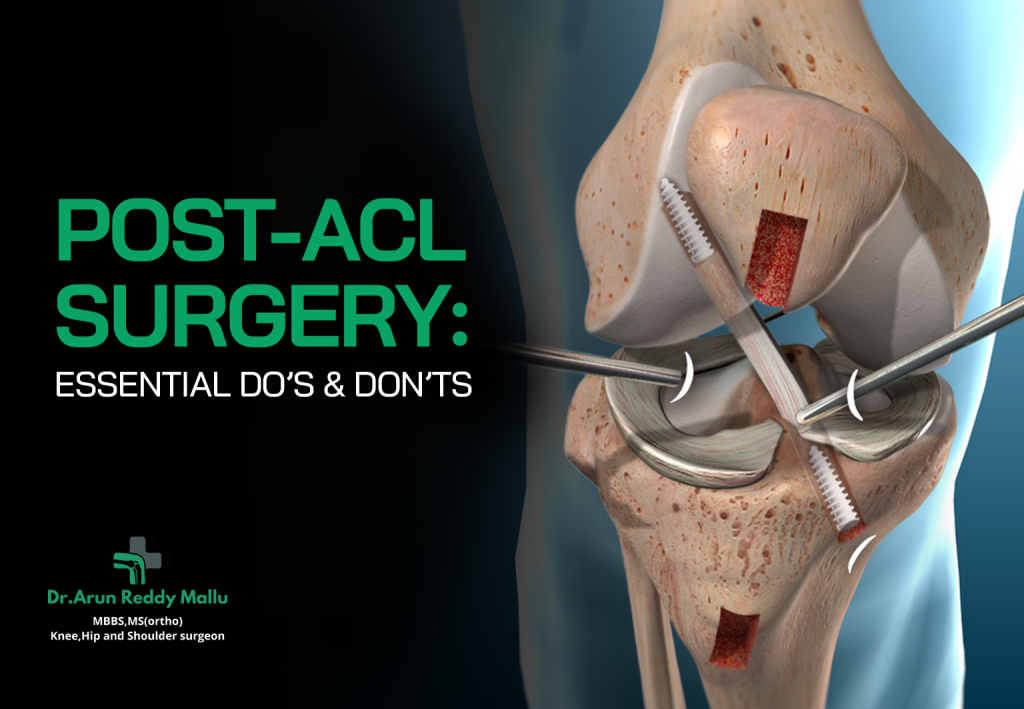
Post-ACL Surgery: Essential Do’s & Don’ts for a Safe and Strong Recovery Anterior Cruciate Ligament (ACL) injuries are common among athletes and active individuals, but they can affect anyone. ACL reconstruction surgery is often recommended to restore knee stability and function. While surgery is a critical step, recovery and rehabilitation determine long-term success. Knowing what to do—and what to avoid—after ACL surgery can make a significant difference in how quickly and safely you return to daily activities or sports. What Is an ACL Injury and ACL Surgery? The Anterior Cruciate Ligament (ACL) is one of the main ligaments stabilizing the knee. It prevents the shinbone from sliding forward and helps control rotational movements. ACL injuries often occur during sudden stops, pivots, jumps, or direct trauma to the knee. What Is ACL Reconstruction Surgery? ACL surgery involves reconstructing the torn ligament using a graft (often taken from the patient’s own hamstring or patellar tendon, or sometimes a donor graft). The goal is to restore knee stability, reduce pain, and allow a return to normal movement or sports. However, surgery alone is not enough. Proper post-operative care and rehabilitation are essential to achieve the best outcome. Why Post-ACL Surgery Care Is So Important After ACL surgery, the knee needs time to heal while gradually regaining: Strength Flexibility Balance Stability Ignoring rehabilitation guidelines or returning to activity too early can lead to: Graft failure Knee stiffness Chronic pain Re-injury That’s why following structured do’s and don’ts is crucial. Essential Do’s After ACL Surgery Follow Your Surgeon’s and Physiotherapist’s Instructions Every ACL injury is different. Your surgeon and physiotherapist design a personalized recovery plan based on your age, activity level, and surgical technique. Following these instructions strictly helps prevent complications. Start Physiotherapy Early (As Advised) Physiotherapy usually begins within days of surgery. Early exercises help: Reduce swelling Restore knee motion Prevent muscle weakness Skipping or delaying physiotherapy can slow recovery significantly. Use Ice and Elevation to Control Swelling Swelling is normal after surgery. Applying ice packs and keeping the leg elevated helps reduce inflammation and pain, especially during the first few weeks. Wear Knee Braces or Supports if Prescribed Knee braces provide additional support and stability during early recovery. Use them exactly as recommended—neither more nor less. Focus on Proper Nutrition A balanced diet rich in: Protein (for tissue repair) Calcium and Vitamin D (for bone health) Fruits and vegetables (for healing and immunity) supports faster and healthier recovery. Be Patient With Your Progress ACL recovery is a gradual process. Improvements come step by step—rushing can set you back. Celebrate small milestones like better knee movement or reduced pain. Essential Don’ts After ACL Surgery Don’t Rush Back to Sports or High-Impact Activities One of the biggest mistakes patients make is returning to sports too early. Even if pain is minimal, the graft needs time to fully integrate and strengthen. Don’t Skip Physiotherapy Sessions Consistency is key. Missing sessions can lead to stiffness, muscle imbalance, and poor knee control. Don’t Ignore Pain or Swelling Mild discomfort is expected, but persistent pain or increasing swelling should never be ignored. Always report unusual symptoms to your doctor. Don’t Overload the Knee Doing more exercises than prescribed or increasing intensity too quickly can damage the healing ligament. Don’t Sit or Lie Down for Long Periods Without Movement Prolonged immobility can lead to stiffness and poor circulation. Gentle movement, as advised, keeps the knee flexible. Don’t Compare Your Recovery With Others Recovery timelines vary. Comparing yourself to others can cause unnecessary stress or unsafe decisions. Practical Tips for a Successful ACL Recovery Set Realistic Recovery Goals Break recovery into phases: Regaining knee motion Building muscle strength Improving balance and coordination Returning to sports or active lifestyle This keeps you motivated and focused. Strengthen Supporting Muscles Strong quadriceps, hamstrings, and hip muscles protect the ACL graft and improve knee stability. Maintain a Positive Mindset Mental strength is as important as physical healing. Stay patient, optimistic, and committed to your rehabilitation plan. Attend All Follow-Up Appointments Regular check-ups allow your surgeon to monitor healing, adjust rehabilitation plans, and catch problems early. Listen to Your Body Fatigue and discomfort are signals. Rest when needed and avoid pushing through pain. Why Choosing the Right Surgeon Matters The success of ACL surgery depends heavily on: Surgical expertise Correct graft selection Precision during reconstruction Post-operative guidance This is why choosing an experienced orthopedic surgeon is essential. Why Choose Dr. Arun Reddy at Continental Hospital? Expertise in Advanced Knee and Sports Injury Care Dr. Arun Reddy is known for his expertise in ACL reconstruction and sports-related knee injuries. His approach combines advanced surgical techniques with evidence-based rehabilitation protocols. Personalized Treatment Plans Dr. Reddy understands that every patient is unique. He customizes treatment and recovery plans based on individual needs, activity levels, and long-term goals. State-of-the-Art Facilities at Continental Hospital Continental Hospital offers: Advanced operation theaters Modern imaging and diagnostic tools Comprehensive physiotherapy and rehabilitation services This ensures seamless care from diagnosis to full recovery. Focus on Long-Term Knee Health Beyond surgery, Dr. Arun Reddy emphasizes long-term joint health, injury prevention, and safe return to sports or daily activities. Patient-Centric Approach Clear communication, regular follow-ups, and patient education help individuals feel confident and supported throughout their recovery journey. Conclusion: A Strong Recovery Starts With the Right Choices ACL surgery is a major step toward regaining knee stability, but successful recovery depends on informed post-operative care. Following essential do’s and don’ts, committing to physiotherapy, maintaining patience, and choosing the right medical team are the foundations of a safe and lasting recovery. With expert care from Dr. Arun Reddy at Continental Hospital, patients receive not only advanced surgical treatment but also comprehensive guidance throughout rehabilitation. By combining medical expertise with disciplined recovery habits, you can return to an active, confident, and pain-free life after ACL surgery. ACL recovery made safe and strong—consult Dr. Arun Reddy Mallu at Continental Hospital: +91 99591 35963.
Bad Signs After ACL Surgery: When to Call Your Doctor
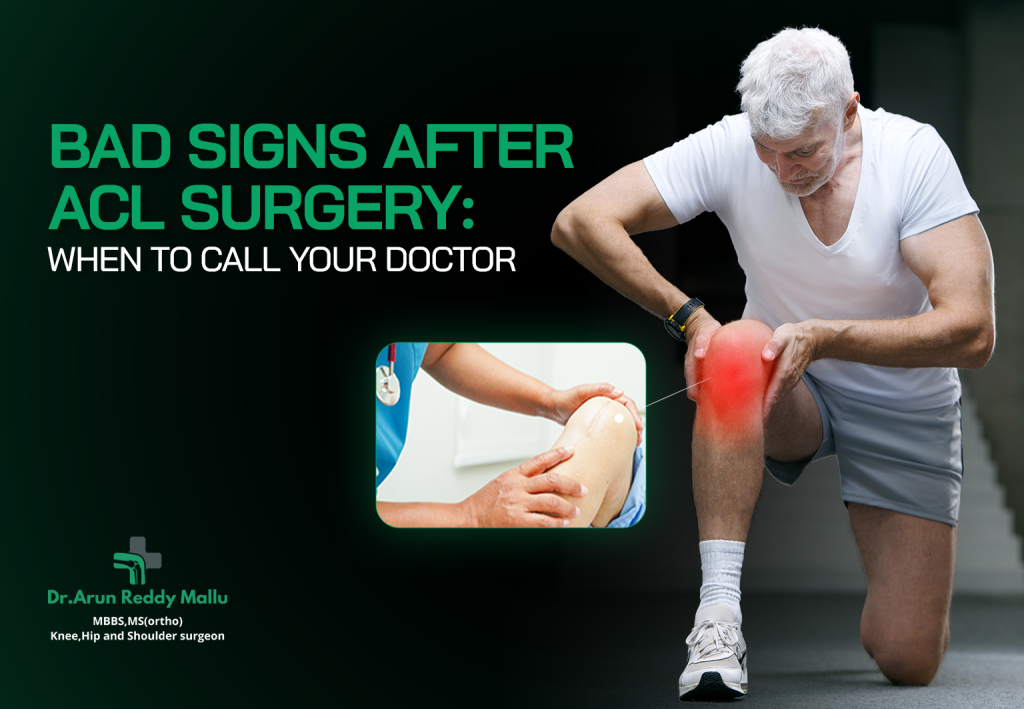
Bad Signs After ACL Surgery: When to Call Your Doctor Anterior Cruciate Ligament (ACL) surgery is one of the most common procedures to restore knee stability after a ligament tear. Whether you’re an athlete aiming to return to sports or someone recovering from a knee injury, proper post-surgical care is crucial. While mild pain, swelling, and stiffness are normal in the early stages, some warning signs could indicate serious complications after ACL surgery. Recognizing these symptoms early helps prevent long-term issues and ensures smooth recovery. Normal vs. Abnormal Recovery Symptoms After ACL reconstruction, your knee will feel sore, swollen, and slightly stiff. These symptoms are a normal part of healing and should gradually improve over time. However, if pain worsens or new symptoms appear, it could be a sign of infection, blood clots, or other complications. Knowing the difference between normal recovery signs and bad signs after ACL surgery is key to avoiding delays in treatment. 1. Excessive Swelling and Severe Pain Some swelling is expected, but if it increases suddenly or comes with sharp, constant pain, it may indicate joint infection, internal bleeding, or fluid buildup. You should be concerned if: Pain becomes unbearable even with rest or medication Swelling does not decrease with ice therapyor leg elevation The knee feels unusually tight or hard If these symptoms persist, you should contact your orthopedic surgeon immediately to rule out serious problems. 2. Signs of Infection An infection after ACL surgery is rare but serious. It can occur if bacteria enter the surgical wound. Early identification is essential to prevent deeper tissue damage. Watch for these infection warning signs: Redness and warmth around the incision Feveror chills Pus or foul-smelling dischargefrom the wound Persistent pain that does not improve Infections can spread quickly and may require antibiotics or, in severe cases, surgical cleaning. Never ignore signs of infection after surgery. 3. Difficulty Moving or Bending the Knee Limited movement is normal for a few days after surgery. But if you’re unable to bend or straighten your knee despite regular physiotherapy, it could be a sign of arthrofibrosis—a condition where excess scar tissue forms around the joint. Symptoms include: Joint stiffnessthat doesn’t improve Pain during stretching A “locked” or “tight” feeling in the knee Prompt evaluation and targeted therapy can prevent permanent stiffness and help restore flexibility. 4. Numbness or Tingling Sensations A little numbness around the incision is normal due to nerve irritation. However, persistent tingling, burning, or loss of sensation in your leg or foot could mean nerve damage or compression. Seek medical attention if: Numbness spreads below the knee You feel weakness in your foot or ankle There’s a burning pain that increases with movement Early diagnosis ensures quick recovery and prevents long-term nerve complications. 5. Bleeding or Fluid Leakage from the Wound A small amount of pinkish fluid is normal after surgery. But if the wound shows heavy bleeding, yellow discharge, or a bad smell, it may indicate infection or poor wound healing. Do not press or clean the wound yourself. Cover it lightly and reach out to your doctor for proper wound care advice. 6. Calf Pain and Swelling – Possible Blood Clot (DVT) One of the most dangerous complications after ACL surgery is Deep Vein Thrombosis (DVT), a blood clot that forms in your leg veins. Be alert to: Calf painor tenderness Swellingthat’s more on one leg Warm or discolored skin If the clot moves to your lungs, it can cause a Pulmonary Embolism (PE)—a life-threatening emergency. Symptoms like chest pain, shortness of breath, or coughing up blood require immediate medical help. 7. Instability or “Giving Way” Sensation After ACL surgery, your knee should feel stronger over time. But if you experience instability or the feeling that your knee is “giving way,” it might indicate: Graft failure Re-injury Weak musclesdue to improper rehab Avoid sports or heavy activities until your surgeon clears you. Ignoring this sign can damage your graft permanently. 8. Persistent Fever or Fatigue A mild fever is normal within the first 48 hours. But if your temperature stays above 101°F (38.3°C) or you feel constant fatigue, it could point to an infection or inflammation. Monitor your body temperature daily and report any unusual rise to your healthcare provider. 9. Popping, Clicking, or Locking Sounds A soft clicking sound in the knee during recovery is usually harmless. But if you hear loud pops, grinding, or locking along with pain, it could mean: Graft issue Meniscus tear Mechanical problem inside the joint Your surgeon may recommend an MRI scan to assess the cause and ensure your new ligament is healing properly. When to Call Your Doctor Immediately Call your doctor right away if you notice any of the following bad signs after ACL surgery: Sudden increase in pain or swelling Redness, warmth, or pusaround the wound Calf painor swelling Numbness, tingling, or weakness Feverabove 101°F Shortness of breathor chest discomfort Never ignore these symptoms or attempt home remedies—they could worsen your condition. Tips for a Safe and Fast Recovery Proper post-surgery care helps prevent complications and speeds up healing. Follow these key ACL recovery tips: Follow your rehabilitation planstrictly Keep the surgical incision clean and dry Apply ice packsto control swelling Avoid putting full weight on the leg too soon Take prescribed medications on time Attend all follow-up appointmentsand physiotherapy sessions With expert supervision from Dr. Arun Reddy Mallu at Continental Hospital, patients can recover safely and regain knee strength efficiently through personalized rehabilitation programs and advanced post-operative care. Conclusion Recovering from ACL reconstruction surgery takes time, patience, and consistency. While mild pain, swelling, and stiffness are part of the healing process, certain symptoms should never be ignored. Recognizing bad signs after ACL surgery—such as excessive pain, infection, or knee instability—can prevent serious complications and help you get back to your normal routine faster. If you notice any of these warning signs or experience unusual discomfort, reach out to your doctor immediately. For expert orthopedic care and advanced recovery guidance, consult Dr. Arun Reddy Mallu at Continental Hospital, a trusted specialist in ACL reconstruction and knee injury
Is ACL Surgery Painful? What to Expect Before and After Surgery
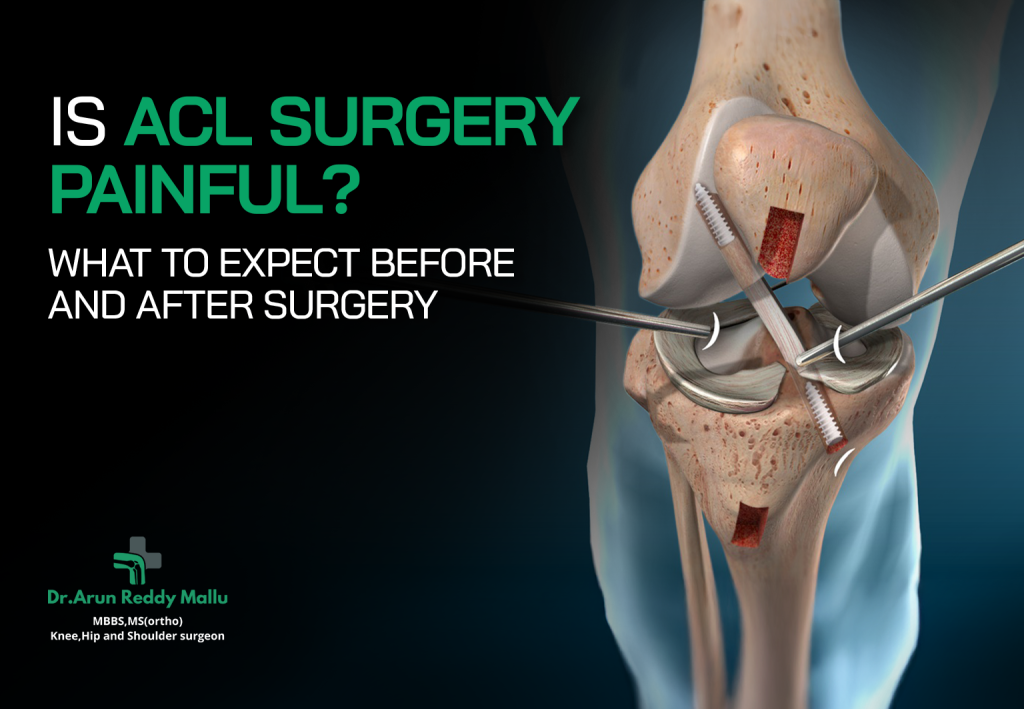
Is ACL Surgery Painful? What to Expect Before and After Surgery A torn Anterior Cruciate Ligament (ACL) is one of the most common knee injuries, especially among athletes and physically active individuals. If you’ve been advised to undergo ACL surgery, one of your biggest concerns is likely pain—both during and after the procedure. The good news is that modern surgical techniques and pain management strategies have made ACL reconstruction far less painful and more predictable than it used to be. In this detailed guide, we’ll walk you through what ACL surgery involves, how pain is managed, and what to expect before and after surgery for a smoother recovery journey. Understanding ACL and Its Role The ACL is one of the key ligaments in your knee joint that helps maintain stability during movement. It connects the thigh bone (femur) to the shin bone (tibia) and prevents the knee from sliding forward excessively. When the ACL tears—often due to sudden twisting motions, sports injuries, or accidents—it doesn’t heal on its own. In many cases, ACL reconstruction surgery becomes necessary to restore knee stability, prevent further damage, and allow a return to active living. Is ACL Surgery Painful? The Honest Answer During the Surgery:No, you won’t feel pain during the ACL surgery itself because it’s performed under spinal or general anesthesia. An anesthesiologist ensures you remain comfortable and pain-free throughout the procedure. After the Surgery:You can expect some discomfort, swelling, and soreness in the first few days following surgery. However, pain is effectively managed through medications, ice therapy, rest, and gradual rehabilitation exercises. With proper care and adherence to post-surgical guidelines, pain levels typically decrease significantly within the first two weeks, and most patients are able to walk with minimal discomfort soon after. What to Expect Before ACL Surgery Before undergoing ACL surgery, your orthopedic surgeon will guide you through several preparatory steps to ensure a successful outcome. Pre-Surgical Evaluation A complete assessment will be done, including: Physical examination MRI scan to confirm the ligament tear Discussion about your medical history and activity level Preoperative blood tests or health check-ups Prehabilitation (“Prehab”) Your doctor may recommend physiotherapy before surgery. Strengthening your quadriceps, hamstrings, and core muscles beforehand helps speed up recovery later. This “prehab” phase also reduces stiffness and improves flexibility. Surgery Day Preparation On the day of surgery: You’ll be asked to fast for several hours. The anesthesiologist will explain the type of anesthesia used. You’ll be shifted to the operating room, where the surgery typically takes about 5 to 2 hours. The Procedure ACL reconstruction involves replacing the torn ligament with a tissue graft (usually taken from your own hamstring or patellar tendon). The graft acts as a scaffold for new ligament growth over time. The surgery is done arthroscopically — through small incisions using a camera and tiny instruments, minimizing pain and scarring. What to Expect After ACL Surgery Recovery after ACL surgery is a gradual process, and understanding each stage helps set realistic expectations. Immediately After Surgery You’ll spend a few hours in the recovery room as anesthesia wears off. Your knee will likely be bandaged, and a brace may be used to keep it stable. Pain medication will be given to manage initial discomfort. The First Few Days Pain and Swelling:It’s normal to experience mild to moderate pain and swelling. Applying ice packs and keeping your leg elevated can help reduce this. Mobility:Crutches are used to avoid putting weight on your operated leg initially. Medications:Your doctor will prescribe antibiotics and painkillers to prevent infection and ease discomfort. The First Two Weeks During this period, the focus is on managing pain, reducing swelling, and regaining knee motion. Physiotherapists guide you through gentle exercises like ankle pumps and leg raises to maintain circulation and muscle tone. You may still feel soreness, especially when bending or straightening your leg, but this is part of the healing process. Following your doctor’s instructions closely will make a big difference in comfort and recovery speed. Pain Management After ACL Surgery Pain levels vary from person to person, but with modern approaches, most patients describe their pain as manageable rather than severe. Common methods include: Medications Pain-relieving medicines like NSAIDs, acetaminophen, or prescribed opioids (for short-term use) help control discomfort. Your doctor will adjust doses to balance relief and safety. Cold Therapy Applying ice or using a cold compression device reduces inflammation and swelling significantly in the first few days. Elevation and Rest Keeping the leg elevated promotes blood circulation and minimizes pressure around the knee joint, leading to less pain and stiffness. Physiotherapy Regular, guided physiotherapy sessions not only improve strength and flexibility but also prevent pain caused by stiffness or muscle weakness. Nerve Blocks (Optional) Some patients receive a nerve block injection around the knee before or after surgery. This numbs the area for several hours, providing additional pain control immediately after surgery. Physical Therapy and Recovery Timeline Rehabilitation is the most crucial part of ACL recovery. Here’s a general timeline: Weeks 1–2:Focus on gentle mobility, swelling reduction, and light exercises. Weeks 3–6:You’ll start weight-bearing activities and work on strengthening the quadriceps and hamstrings. Months 2–4:More active physiotherapy — including balance, endurance, and controlled movements. Months 5–6:Gradual return to jogging, running, or light sports under supervision. After 6 Months:Most patients return to normal activities, though full sports performance may take 8–9 months depending on individual progress. Throughout the process, communication with your physiotherapist and surgeon ensures proper healing and prevents complications. Common Concerns After ACL Surgery How long will I need painkillers?Most patients use prescription pain medication for about a week, then switch to milder pain relievers as needed. When can I walk without crutches?Typically within 2–3 weeks, depending on your strength and stability. Is there pain during physiotherapy?Some mild discomfort is expected, but it should not be severe. Your therapist adjusts exercises to your tolerance level. Can ACL surgery fail?Though rare, improper rehabilitation or premature return to sports can lead to graft failure. Following medical advice is key to preventing this. Tips for a Smooth Recovery Follow all