A Comprehensive Guide to AVN Hip and Its Modern Treatment Options
Avascular Necrosis (AVN) of the hip, also known as osteonecrosis, is a serious condition that occurs when blood supply to the hip bone (femoral head) is reduced or cut off. Without adequate blood flow, the bone tissue begins to die, leading to pain, limited mobility, and eventually, collapse of the joint surface. Early diagnosis and modern treatment approaches can significantly improve outcomes and preserve joint function.
In this guide, we’ll explore what AVN hip is, its causes, symptoms, stages, and the most advanced treatment options available today. We’ll also highlight how Dr. Arun Reddy Mallu, an expert orthopaedic surgeon at Continental Hospitals, Hyderabad, is helping patients regain mobility and lead pain-free lives.
What is AVN of the Hip?
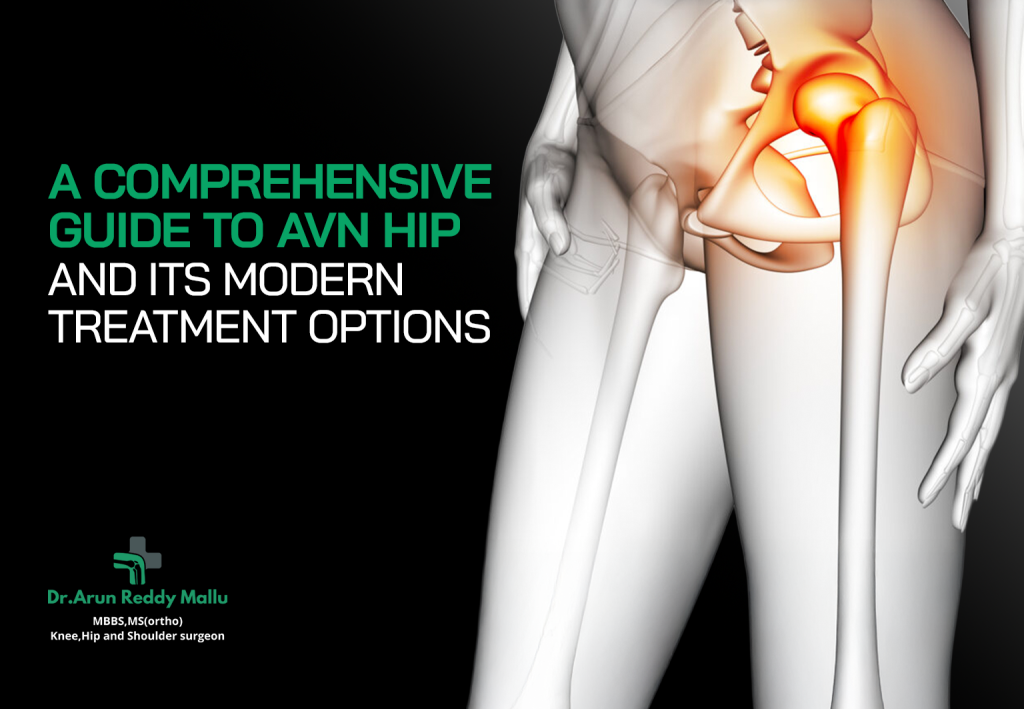
The hip joint is a ball-and-socket joint where the femoral head (ball) fits into the acetabulum (socket). In Avascular Necrosis (AVN), the blood flow to the femoral head is disrupted. Over time, the bone tissue deteriorates, leading to structural collapse of the joint and painful arthritis.
The condition often affects adults between 30 and 50 years of age and can occur in one or both hips.
Common Causes of AVN Hip
Several factors can lead to AVN of the hip, including:
- Trauma or Injury:A fracture or dislocation of the hip can damage nearby blood vessels, restricting blood flow to the femoral head.
- Long-Term Steroid Use:Prolonged use of corticosteroids (like prednisone) can cause fat deposits in blood vessels, reducing blood circulation to bones.
- Alcohol Abuse:Excessive alcohol intake can increase lipid levels, leading to blockages in blood vessels supplying the bone.
- Medical Conditions:Certain health conditions, such as lupus, sickle cell anemia, diabetes, and pancreatitis, are associated with AVN.
- Idiopathic (Unknown Causes):In many cases, AVN develops without a clear cause, highlighting the importance of early screening and diagnosis.
Early Symptoms of AVN Hip
Recognizing early symptoms is crucial for preventing joint collapse and long-term disability. Common signs include:
- Persistent or intermittent groin painthat may extend to the thigh or buttock
- Stiffness and reduced range of motionin the hip
- Pain during walking or weight-bearing activities
- Limpingdue to pain or weakness
- Discomfort even at rest or while lying down in advanced stages
When such symptoms appear, timely consultation with a specialist Dr. Arun Reddy Mallu at Continental Hospitals can make a significant difference in treatment outcomes.
Stages of AVN Hip
AVN progresses through distinct stages, from mild to severe:
- Stage I – Early Stage:No visible damage on X-rays, but MRI may show changes in blood supply.
- Stage II – Intermediate Stage:Bone structure starts to weaken; pain intensifies during activity.
- Stage III – Advanced Stage:Femoral head begins to collapse, leading to joint deformity.
- Stage IV – Late Stage:Severe arthritis develops, causing constant pain and limited movement.
Early intervention during the first two stages offers the best chance of preserving the natural hip joint.
Diagnosis of AVN Hip
Accurate diagnosis is key to choosing the right treatment. A detailed medical history, physical examination, and imaging tests help confirm AVN. Common diagnostic tools include:
- X-rays:Useful for detecting bone collapse in later stages.
- MRI (Magnetic Resonance Imaging):The most sensitive test for early detection of AVN.
- CT Scan:Provides a detailed view of bone structure and joint damage.
- Bone Scans:Show reduced bone activity or poor blood flow in affected areas.
At Continental Hospitals, specialists Dr. Arun Reddy Mallu use advanced imaging and diagnostic tools to determine the exact stage and extent of AVN for a personalized treatment plan.
Modern Treatment Options for AVN Hip
Treatment for AVN hip focuses on stopping disease progression, relieving pain, and restoring mobility. Depending on the stage and severity, the following treatment approaches are used:
- Non-Surgical Treatments (Early Stages)
In early AVN cases, non-surgical management can help slow progression and preserve bone structure.
Medications:
- Bisphosphonates to slow bone damage
- Anti-inflammatory drugs (NSAIDs) for pain relief
- Vasodilators or anticoagulants to improve blood flow
Lifestyle Modifications:
- Reducing weight-bearing activities
- Using walking aids to reduce hip pressure
- Limiting alcohol and steroid use
Physical Therapy:
- Customized exercises can help maintain joint function and strengthen surrounding muscles.
- Core Decompression Surgery
This is a minimally invasive surgical option where small channels are drilled into the femoral head to reduce pressure and promote new blood vessel formation.
Core decompression works best in early AVN stages before bone collapse occurs.
- Bone Grafting
Bone grafts are used to replace dead bone tissue and stimulate regeneration. There are two types:
- Autograft:Bone taken from the patient’s own body
- Allograft:Bone from a donor
This method is often combined with core decompression for better results.
- Stem Cell Therapy and Regenerative Medicine
Modern medicine now uses stem cell therapy to regenerate damaged bone tissue and restore blood supply. Stem cells derived from bone marrow are injected into the femoral head to promote healing. This innovative technique offers promising results for early-stage AVN and is being successfully practiced by specialists in the field.
- Total Hip Replacement (THR)
In advanced cases where the femoral head has collapsed, Total Hip Replacement surgery in Hyderabad is considered the gold standard. The damaged bone and cartilage are replaced with artificial components, allowing smooth and pain-free movement. Modern implants and robotic-assisted technology in Hyderabad ensure precise alignment, faster recovery, and longer implant lifespan.
Recovery and Rehabilitation
Recovery depends on the severity of AVN and the chosen treatment.
- After non-surgical treatments, patients can usually return to normal activities within a few weeks.
- Following core decompression or stem cell therapy, full recovery may take 3–6 months.
- For total hip replacement, rehabilitation may take up to 6 months with physical therapy.
A structured rehab plan and regular follow-ups with your orthopaedic specialist are vital for long-term success.
Preventing AVN Hip
While not all causes can be avoided, some preventive measures include:
- Limiting alcohol and tobacco consumption
- Using steroids only under medical supervision
- Managing chronic health conditions such as diabetes or lupus
- Staying active and maintaining a healthy weight
Regular orthopaedic check-ups can help detect early changes in bone health and prevent complications.
Why Choose Dr. Arun Reddy Mallu at Continental Hospitals?
Dr. Arun Reddy Mallu, an expert in hip and knee replacement surgery, is known for his patient-centric approach and advanced surgical expertise.
At Continental Hospitals, Hyderabad, he combines cutting-edge technology with personalized care to ensure the best outcomes for AVN patients. From early diagnosis to complex hip replacement surgeries, patients receive comprehensive support every step of the way.
Whether you need conservative care or advanced joint replacement, Dr. Arun Reddy Mallu and his team provide world-class orthopaedic solutions focused on long-term pain relief and improved mobility.
Conclusion
Avascular Necrosis (AVN) of the hip is a progressive condition that demands early attention and specialized treatment. Thanks to modern advancements like stem cell therapy, core decompression, and robotic-assisted hip replacement, patients now have multiple options for pain-free living.
If you’re experiencing persistent hip pain or limited mobility, don’t delay diagnosis and treatment. Consult Dr. Arun Reddy Mallu at Continental Hospitals, Hyderabad, for expert evaluation and a customized treatment plan designed to restore your joint health and improve your quality of life.
Book your AVN Hip consultation with Dr. Arun Reddy Mallu at Continental Hospital – call +91 99591 35963 today.