Understanding Knee Replacement Surgery: Procedure, Recovery, and What to Know Beforehand
Knee pain is a common complaint among people of all ages, but for some, it becomes a serious issue that interferes with daily life. When other treatments fail to relieve chronic pain or restore mobility, knee replacement surgery becomes a viable solution. In this blog, we’ll guide you through everything you need to know about knee replacement surgery – including what to expect before the surgery, how the procedure is done, the recovery journey, and when to consult an experienced orthopedic specialist like Dr. Arun Reddy Mallu.
What Is Knee Replacement Surgery?
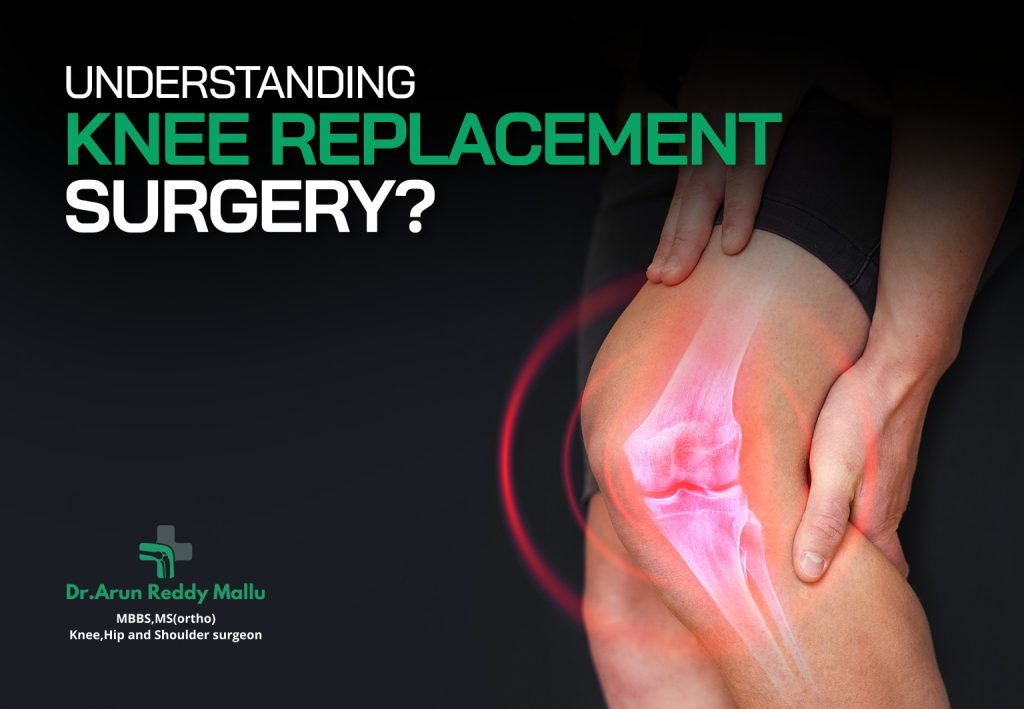
Knee replacement surgery, also known as knee arthroplasty, is a surgical procedure that involves removing the damaged parts of the knee joint and replacing them with artificial components (prosthetics). This surgery is commonly performed to relieve severe pain and disability caused by arthritis, injury, or degenerative joint diseases.
There are two main types of knee replacement:
- Total Knee Replacement (TKR):The entire knee joint is replaced with a prosthetic.
- Partial Knee Replacement (PKR):Only the damaged part of the knee is replaced.
When Is Knee Replacement Surgery Needed?
Knee replacement surgery is typically recommended when:
- Knee pain persists despite medications or physical therapy
- Walking, climbing stairs, or standing becomes difficult
- The knee becomes swollen or stiff
- Pain continues while resting or sleeping
- There is deformity in the knee joint
Common conditions leading to knee replacement include:
- Osteoarthritis (most common)
- Rheumatoid arthritis
- Post-traumatic arthritis
- Knee deformities or past injuries
Important Considerations Before Surgery
Before undergoing knee replacement surgery, it is crucial to understand and prepare for the process. According to Dr. Arun Reddy Mallu, a skilled orthopedic surgeon known for his expertise in joint replacements, evaluating the patient’s overall health and lifestyle is key to a successful surgery.
- Consultation and Evaluation
A detailed evaluation will be done to assess the severity of the knee problem. Dr. Arun Reddy Mallu may order:
- X-rays or MRI scans
- Blood tests
- A physical examination
- Review of medical history
- Pre-Surgical Fitness
Patients are advised to optimize their health before surgery. Some steps may include:
- Controlling diabetes or hypertension
- Losing excess weight to reduce strain on the knee
- Quitting smoking
- Strengthening leg muscles through physical therapy.
- Understanding the Procedure and Risks
It’s essential to know the details of the procedure, its benefits, and possible risks like infection, blood clots, stiffness, or implant loosening. Dr. Arun Reddy Mallu ensures that patients are well-informed and mentally prepared for the journey.
- Home Preparation
You’ll need to make some arrangements at home for a smooth recovery, such as:
- Installing safety rails in bathrooms
- Using a walker or cane
- Having assistance for a few weeks after surgery
The Knee Replacement Procedure
Knee replacement surgery usually takes about 1 to 2 hours and is performed under spinal or general anesthesia.
Step-by-Step Overview:
- Incision:The surgeon makes an incision on the front of the knee to access the joint.
- Reshaping the Bone:Damaged cartilage and bone are removed from the femur, tibia, and sometimes the kneecap.
- Implant Placement:The removed parts are replaced with metal and plastic components designed to replicate the natural movement of the knee.
- Stitching and Recovery:The wound is closed, and the patient is moved to the recovery area.
Dr. Arun Reddy Mallu ensures precision and care at every step of the surgery, using advanced techniques to minimize pain and improve recovery time.
Recovery After Knee Replacement
Recovery is a gradual process, and following post-operative instructions is critical for success. Here’s what to expect:
First Few Days:
- Hospital stay of 2–3 days is common.
- Pain management through medications.
- Physical therapy begins within 24 hours after surgery to restore movement.
Weeks 1–6:
- Regular physiotherapy exercises.
- Gradual increase in walking distance and leg strength.
- You may begin using a walker or crutches for support.
6 Weeks to 3 Months:
- Return to most normal activities.
- Driving may resume (if advised by your doctor).
- Swelling and stiffness may reduce significantly.
3 Months to 1 Year:
- Complete recovery may take up to 12 months.
- Long-term results include improved mobility, reduced pain, and enhanced quality of life.
Tips for a Faster Recovery
Here are a few tips shared by Dr. Arun Reddy Mallu to make recovery smooth and effective:
- Stick to your exercise routineas prescribed by the physiotherapist.
- Attend follow-up appointmentsto monitor progress.
- Eat a balanced dietto support healing.
- Avoid high-impact activitieslike jumping or running until advised.
Long-Term Benefits of Knee Replacement
- Significant pain relief
- Improved walking and mobility
- Better joint alignment
- Enhanced quality of life and ability to participate in daily activities
Most patients report a noticeable improvement in knee function and overall life satisfaction after surgery.
Conclusion
Knee replacement surgery can be life-changing for those suffering from chronic knee pain and limited mobility. With advancements in surgical techniques and post-operative care, it has become a safe and highly effective treatment.
Before opting for surgery, it’s vital to consult a qualified orthopedic specialist. Dr. Arun Reddy Mallu has a proven track record in knee and joint replacement surgeries and focuses on personalized treatment and recovery plans for each patient. If you’re experiencing ongoing knee discomfort, book a consultation and take the first step toward a pain-free future.
Find expert care and advanced knee replacement treatments with Dr. Arun Reddy Mallu at Continental Hospitals.